. . . aboard the National Geographic Orion
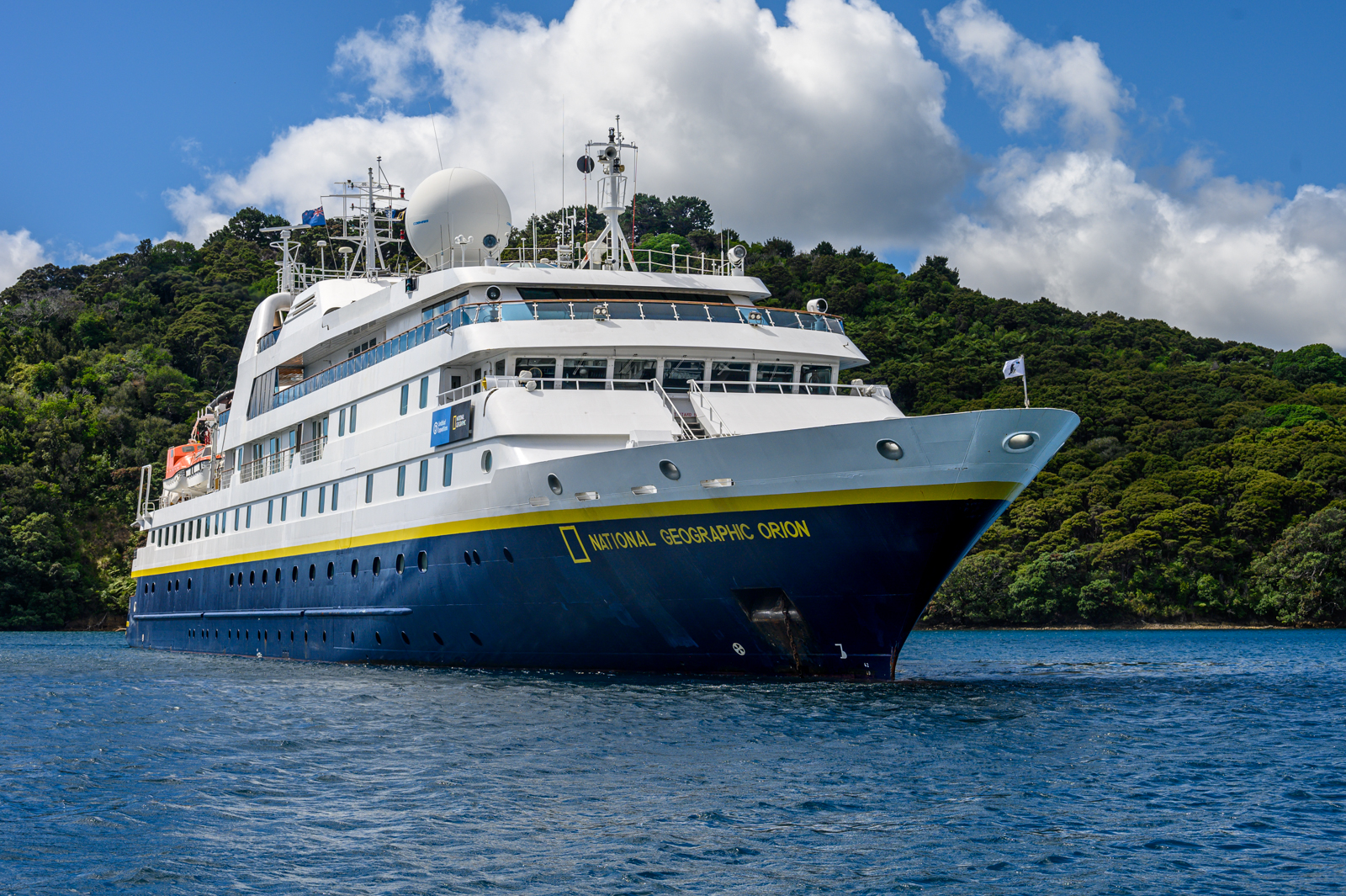
How do you go about exploring an island nation in the southwestern Pacific Ocean with two main landmasses and over 700 smaller islands? We could not think of a better way than a small ship cruise aboard the National Geographic Orion.
Although New Zealand Airlines provided a pleasurable overnight flight from Los Angeles, we were a little exhausted. But we were ready to begin our adventure as soon as possible. We landed in Auckland, the most populous city in New Zealand and home to the “Port of Auckland” where we will board the Orion. After a couple of sightseeing days in Auckland, the Orion will navigate interesting bays, small towns, and national parks along the East Coast of the “North Island”, then cruise through Cook Strait on the way to explore the West Coast of the “South Island”.
Auckland
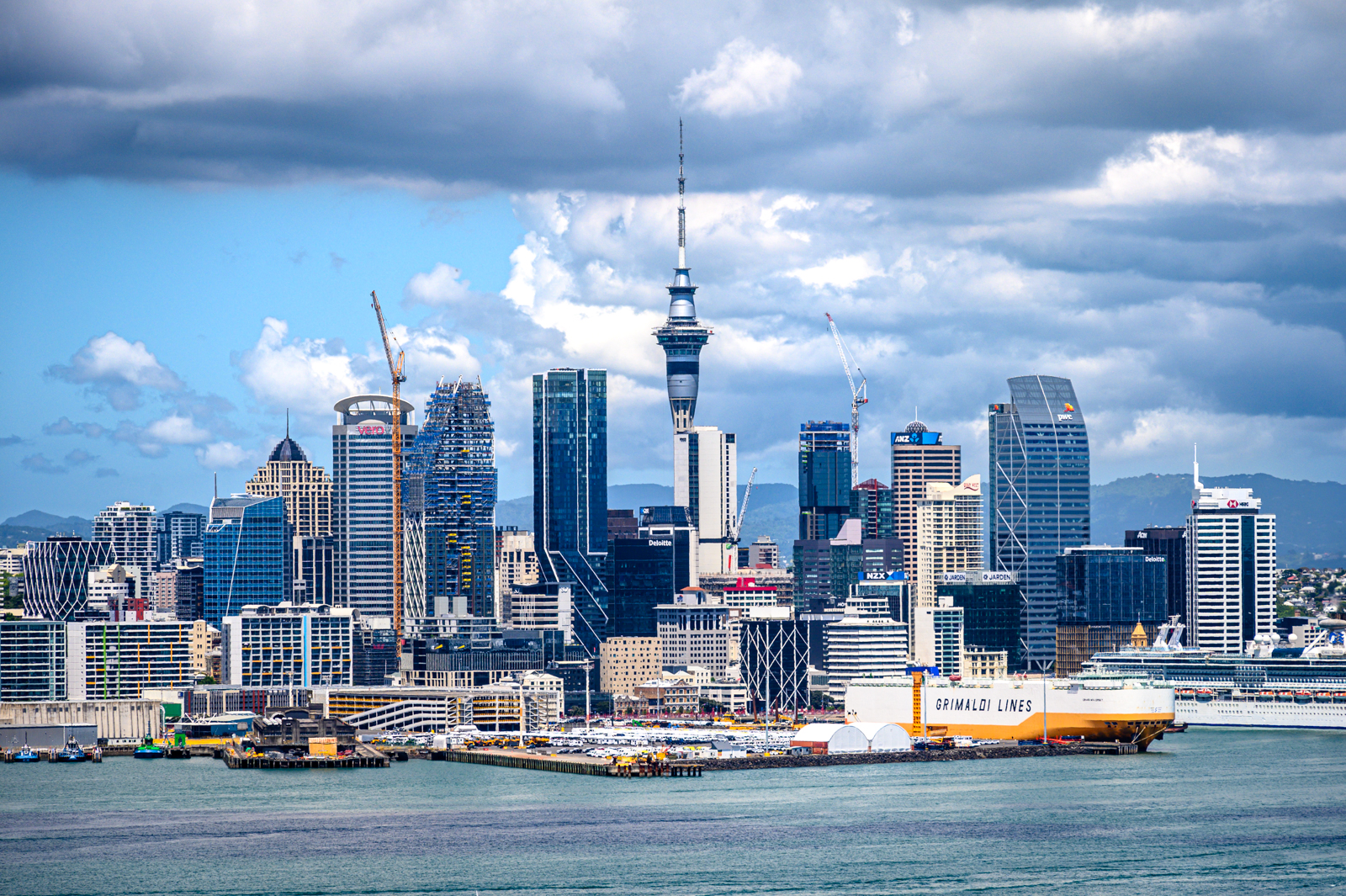
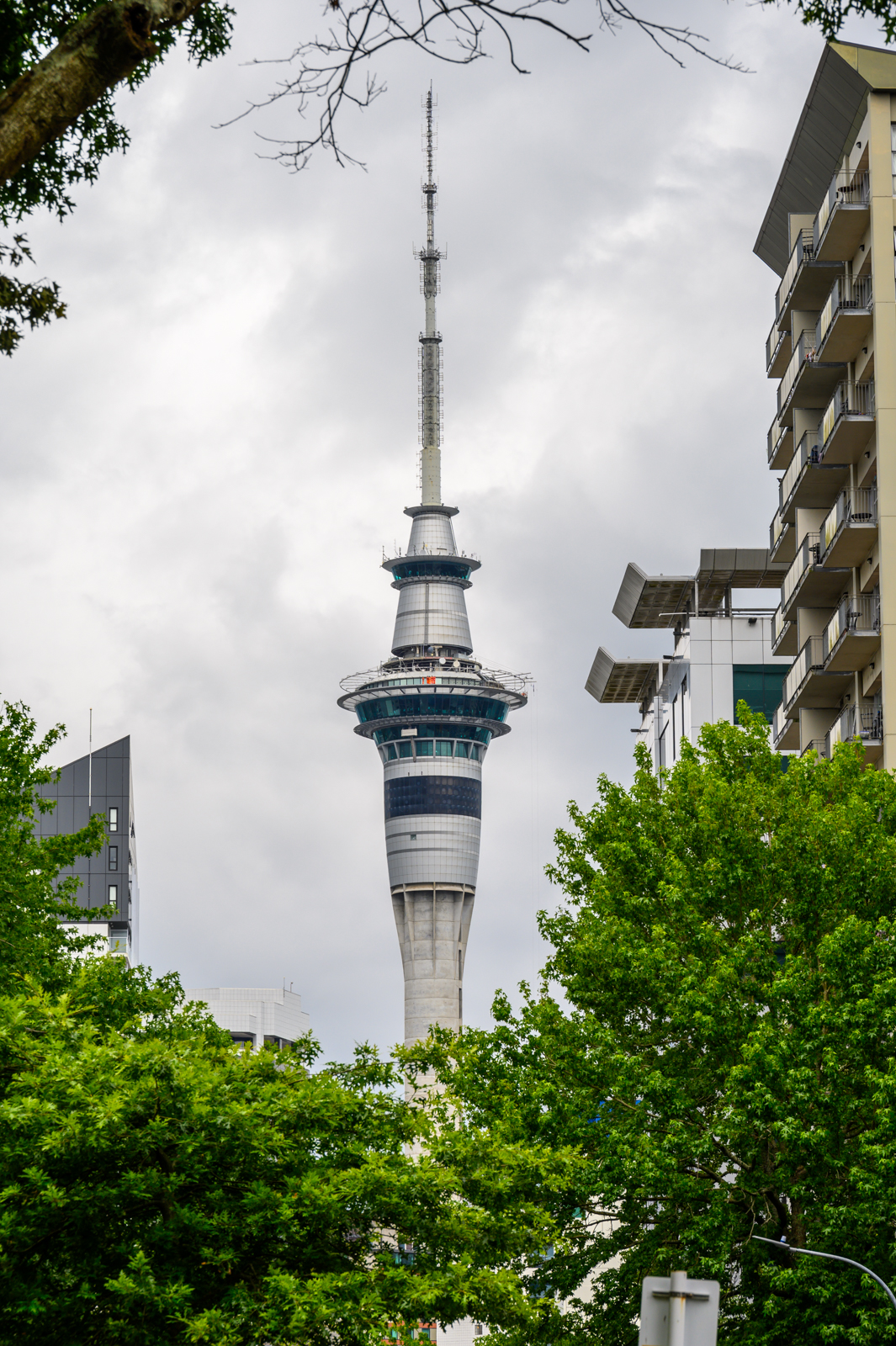
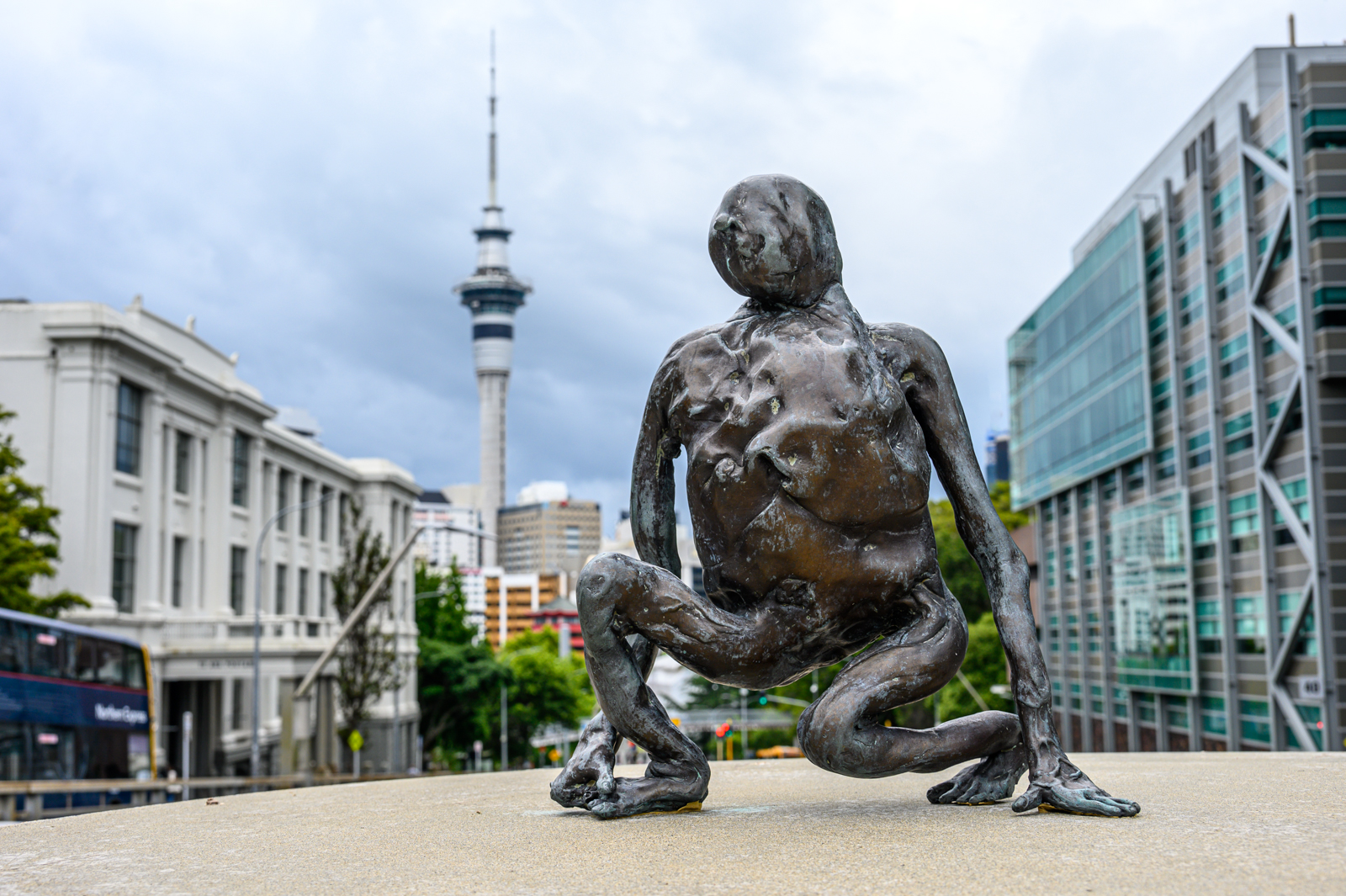
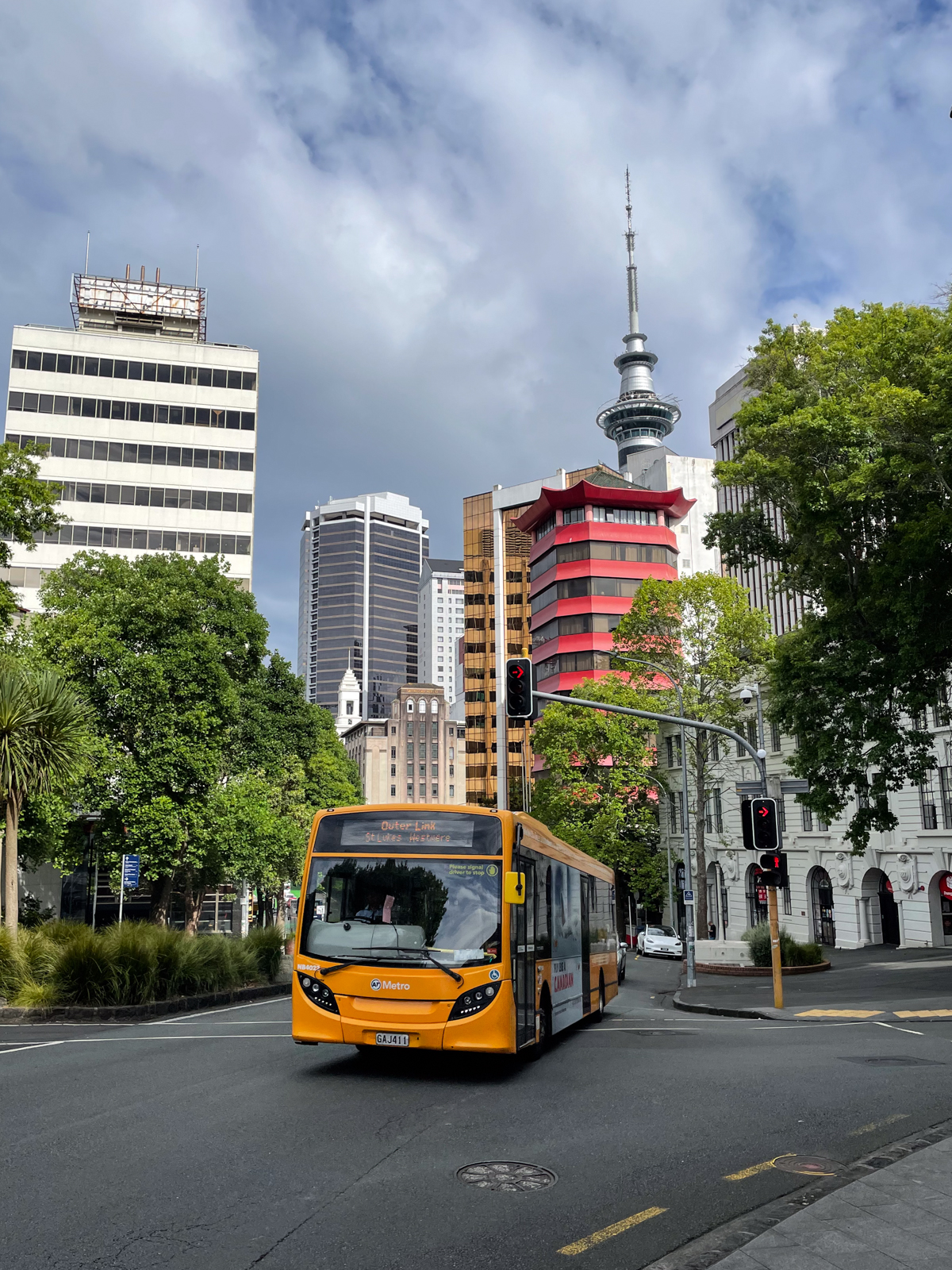
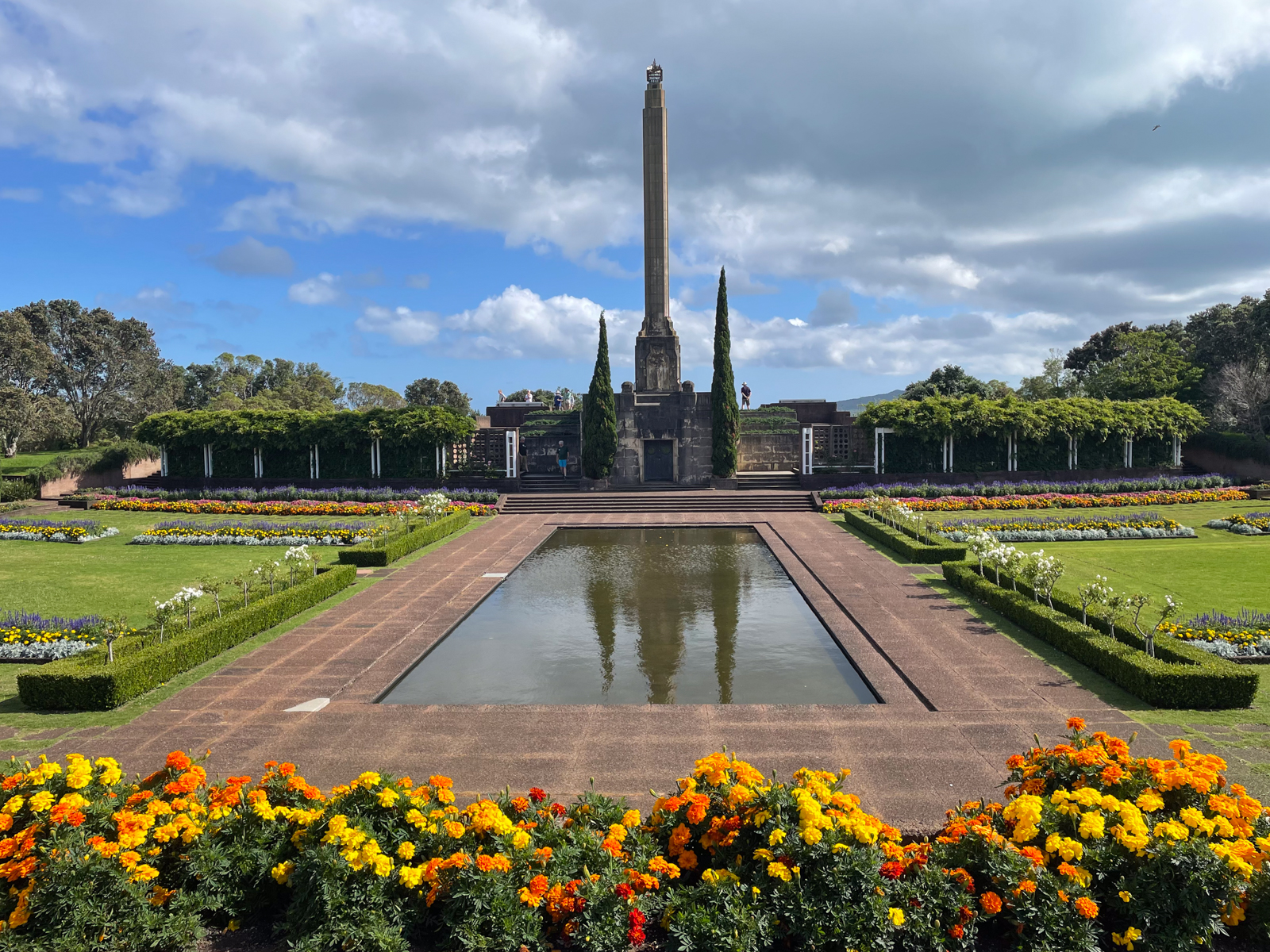
From our hotel centrally located near the business district, we easily traveled by public transportation and Hop-on Hop-off tour buses to sightsee this beautiful city. On our list of Auckland sites to see were the Auckland Art Gallery, Parnell Village, a historic Māori village settlement on Mt. Eden, the Sky Tower, and the Michael Savage Memorial Gardens. We also traveled via Ferry Boat to the small town of Devonport across the harbor, where the highlight was to climb the trail to the top of Mt. Victoria for a spectacular view of the Auckland city skyline.

Aboard the National Geographic Orion
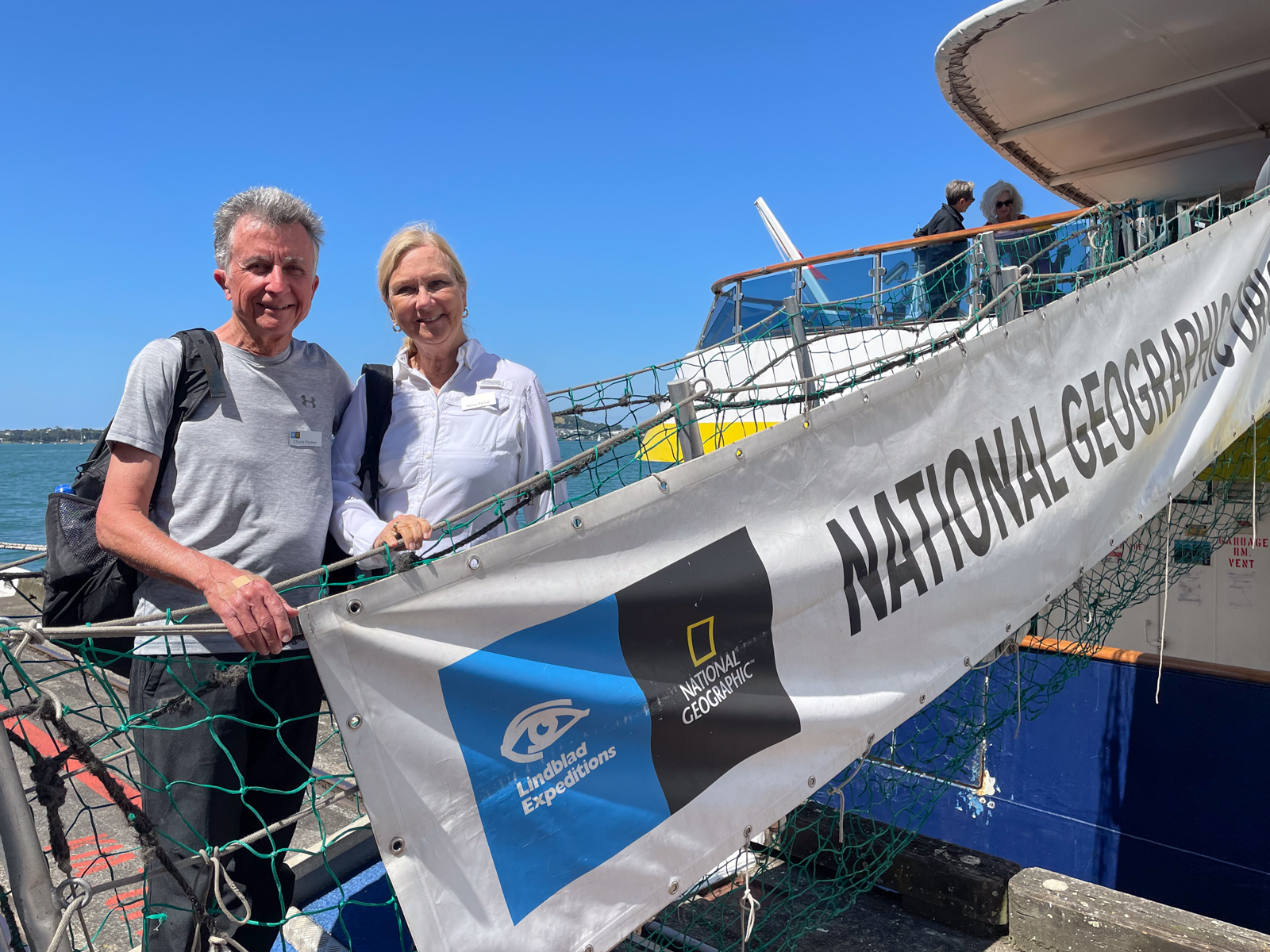
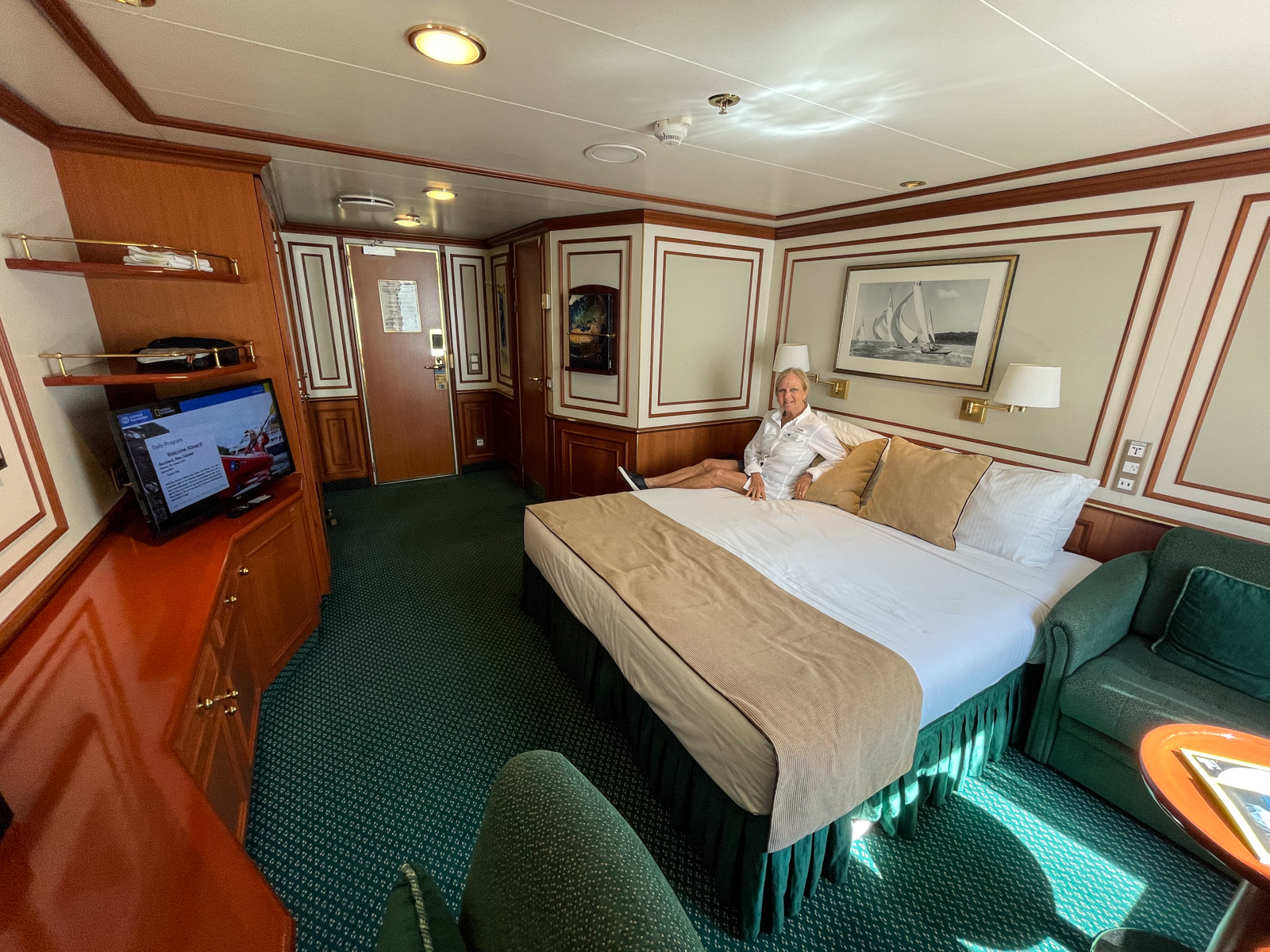
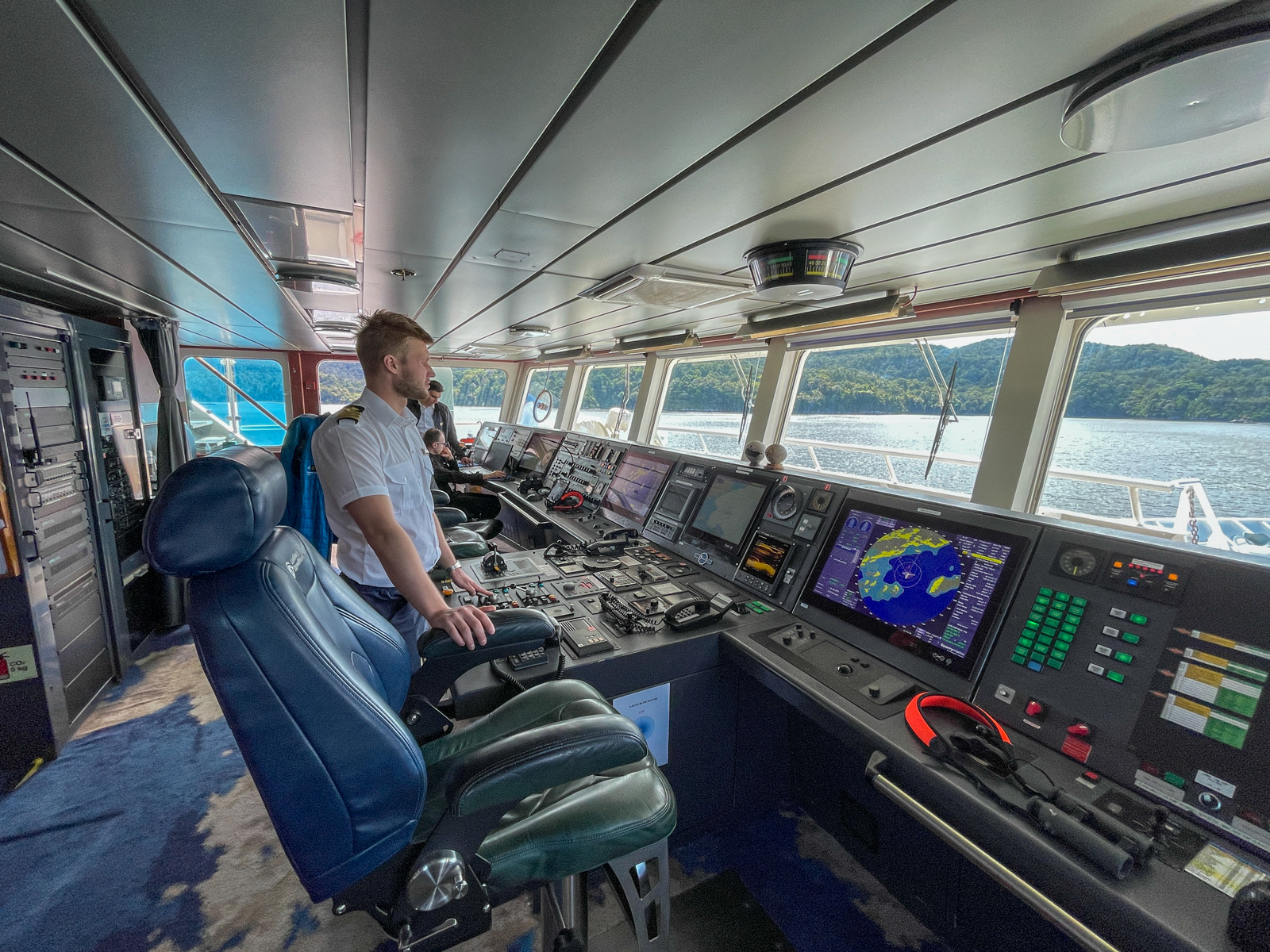
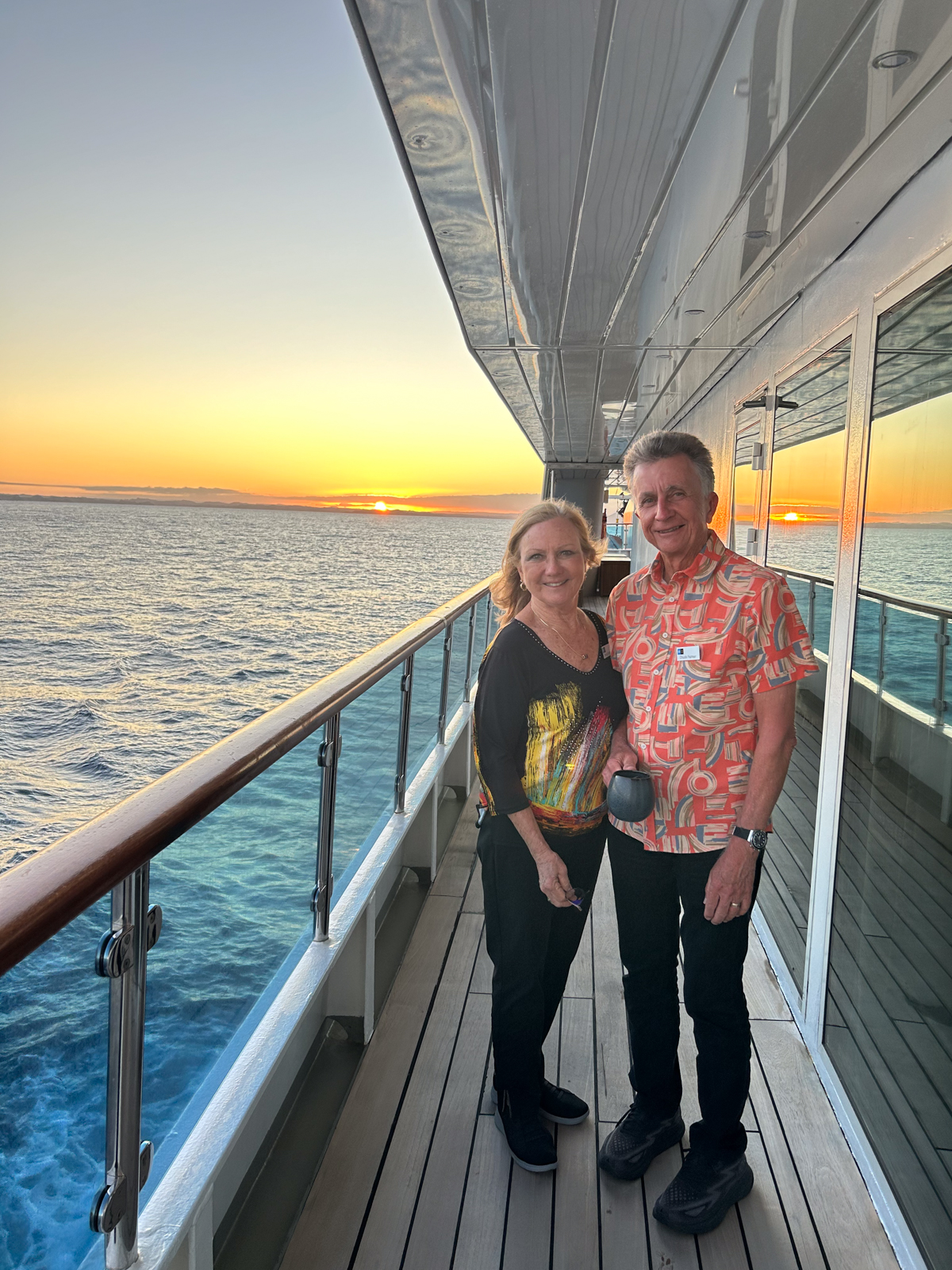
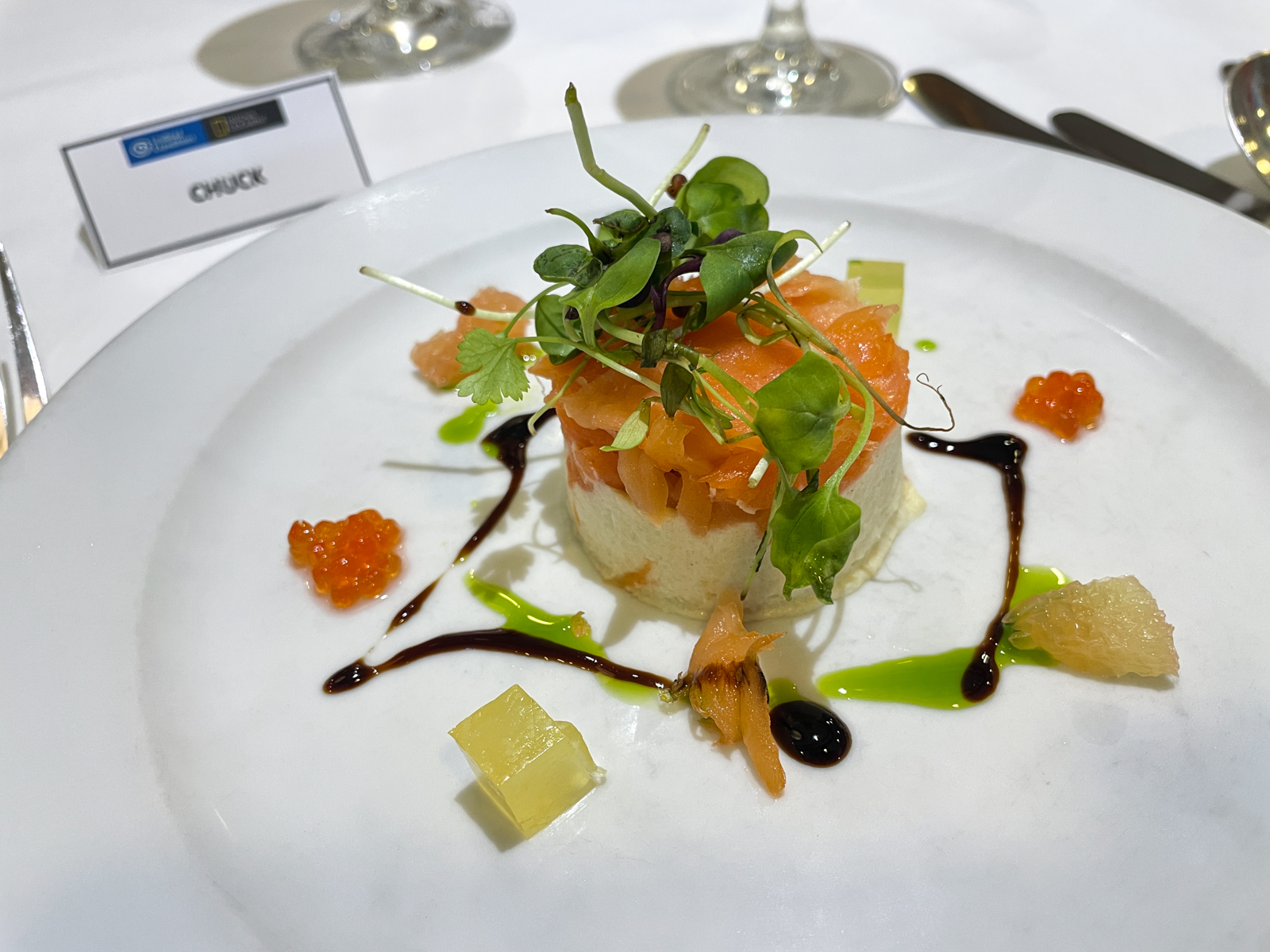
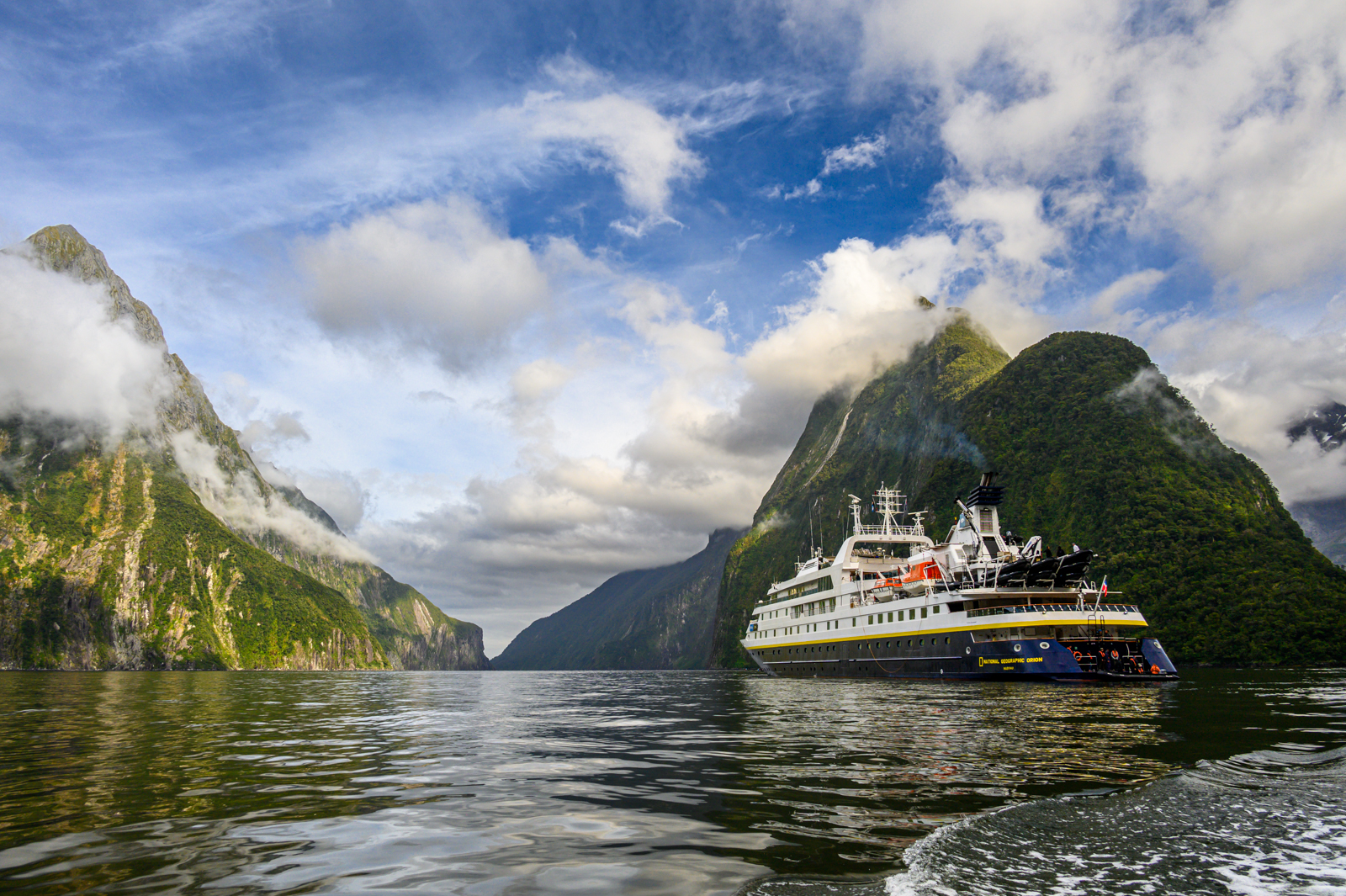
After we explored Auckland, we boarded the Orion to continue our New Zealand adventure. The Orion is a small ship featuring only 53 well-appointed cabins. Operated by Lindblad Expeditions for National Geographic, these small ships allow for navigation of inshore waters, secluded bays, and small towns with limited harbor facilities which is ideal for exploring New Zealand. And as you might expect, Lindblad/National Geographic small ship cruises provide for a more intimate cruise and dining experiences where you will enjoy your choice of menu items sourced fresh locally during your expedition.

Waitangi Treaty Grounds among the Bay of Islands
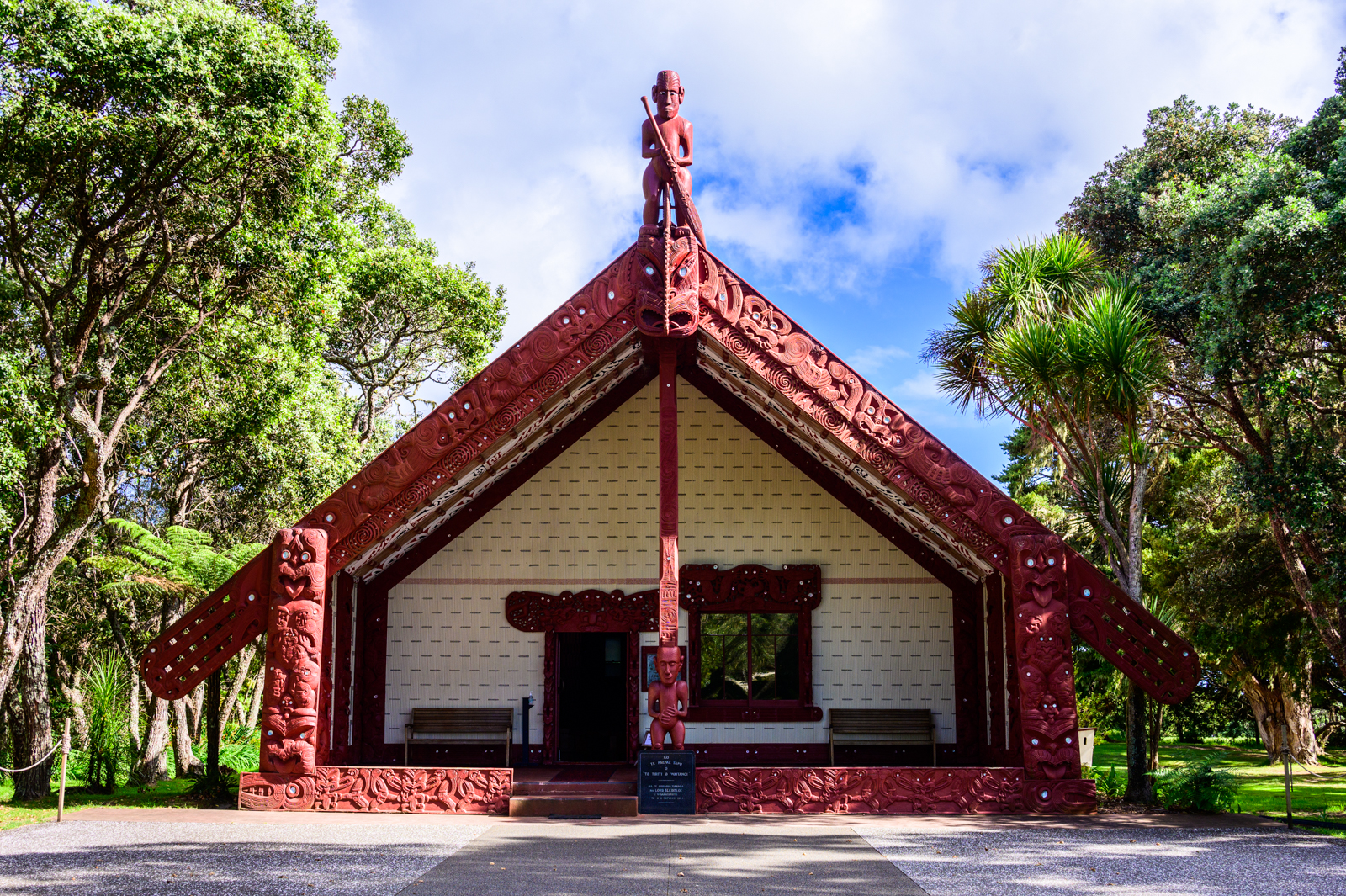
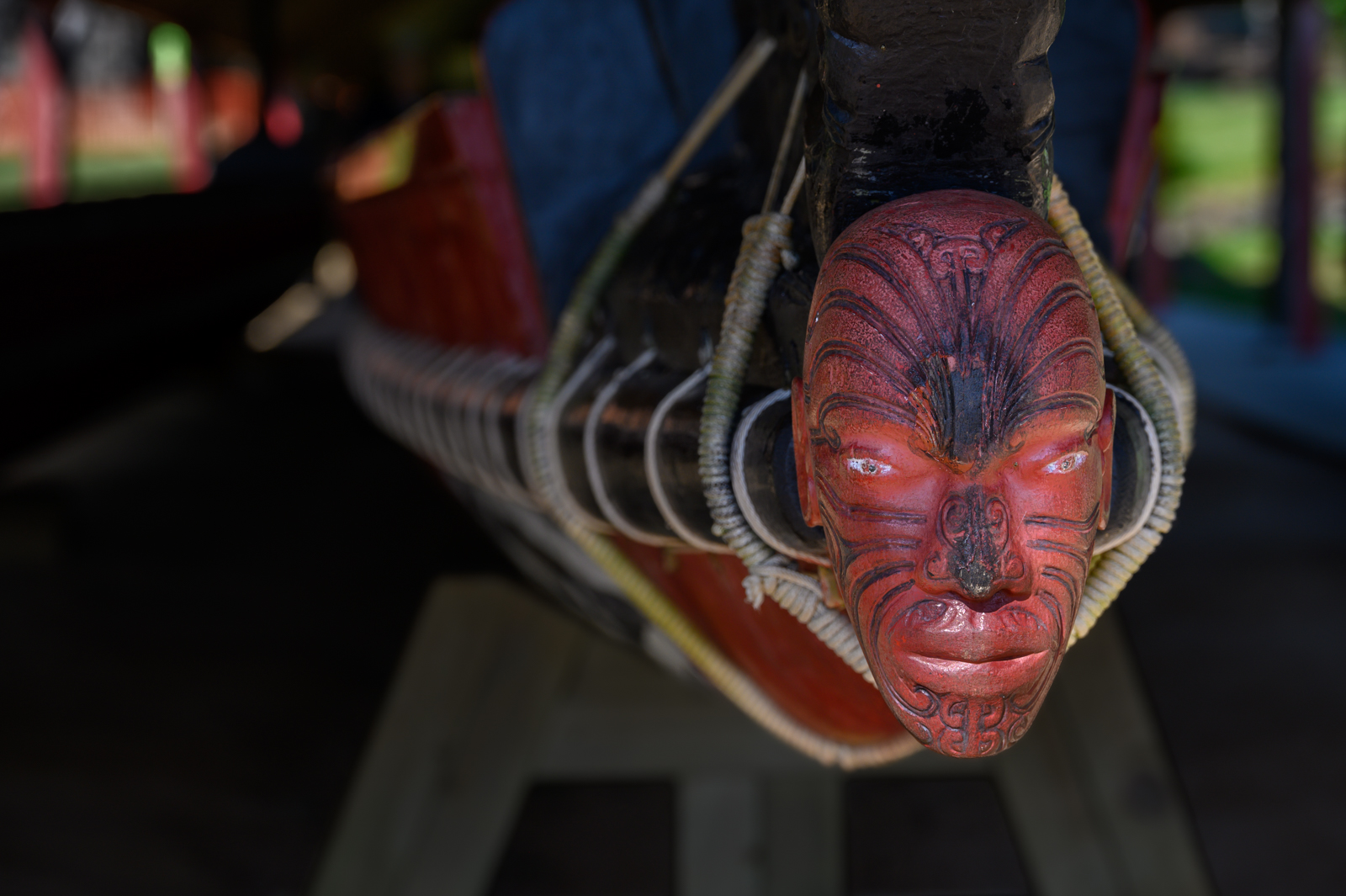
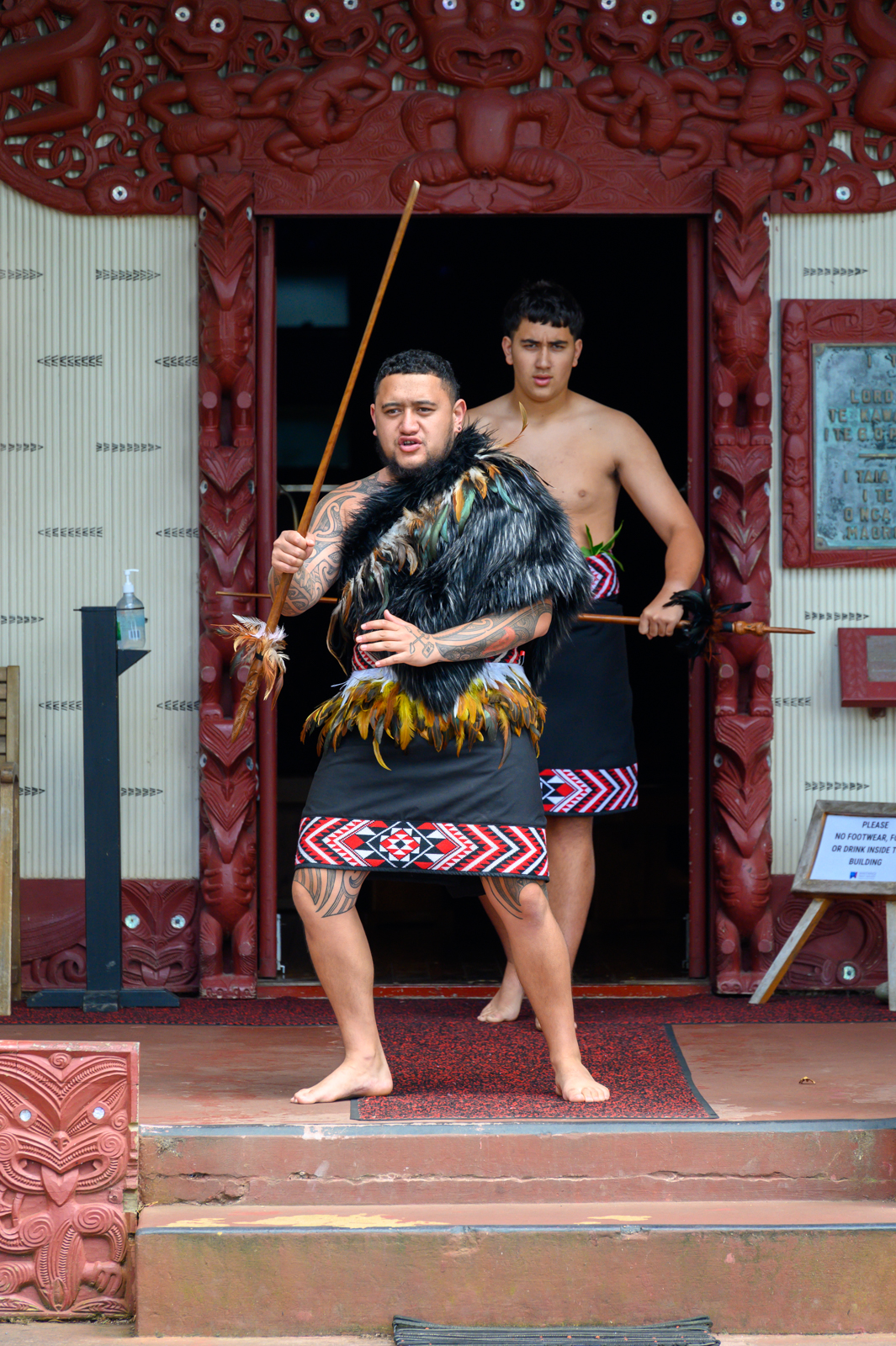
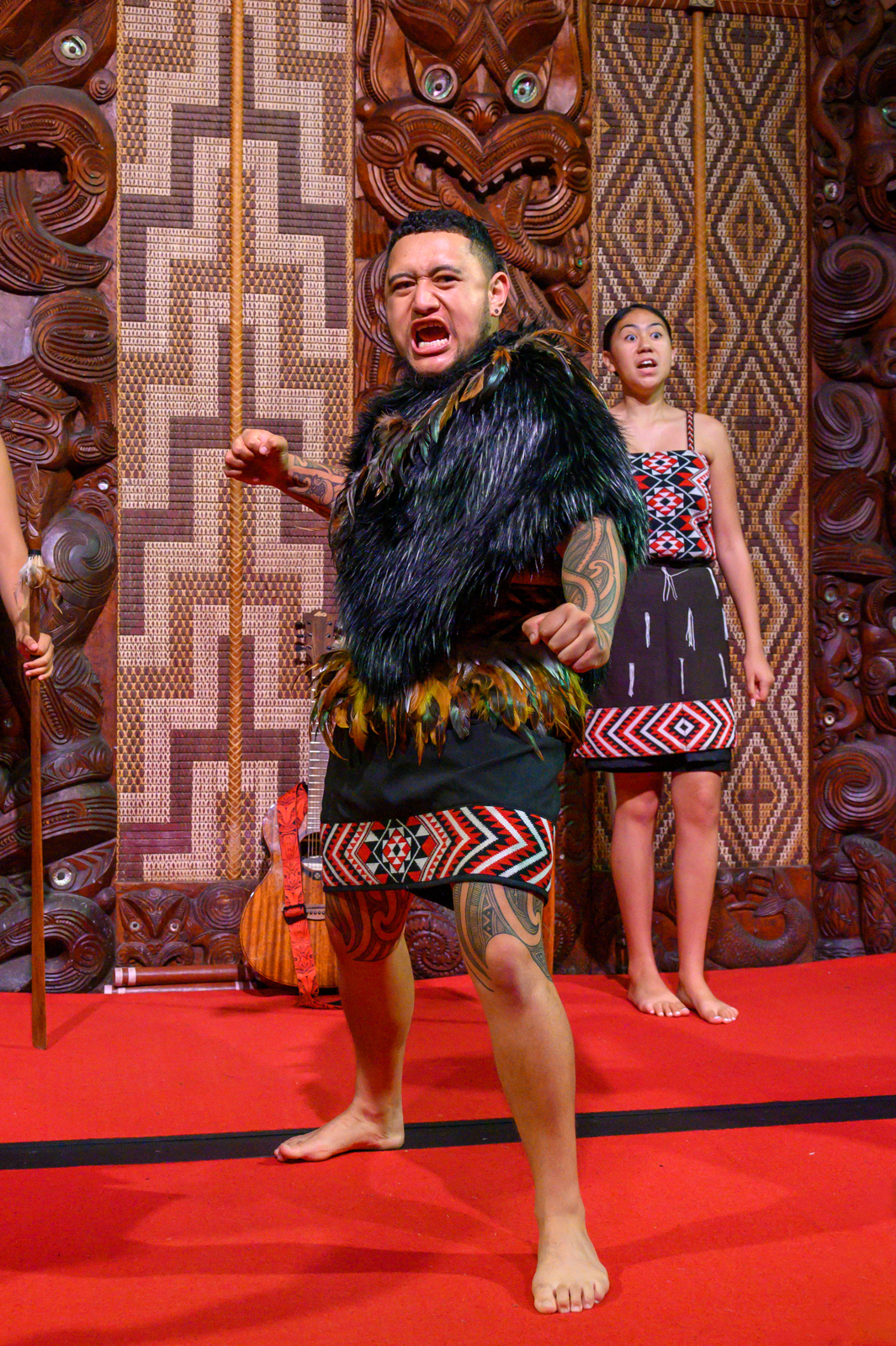
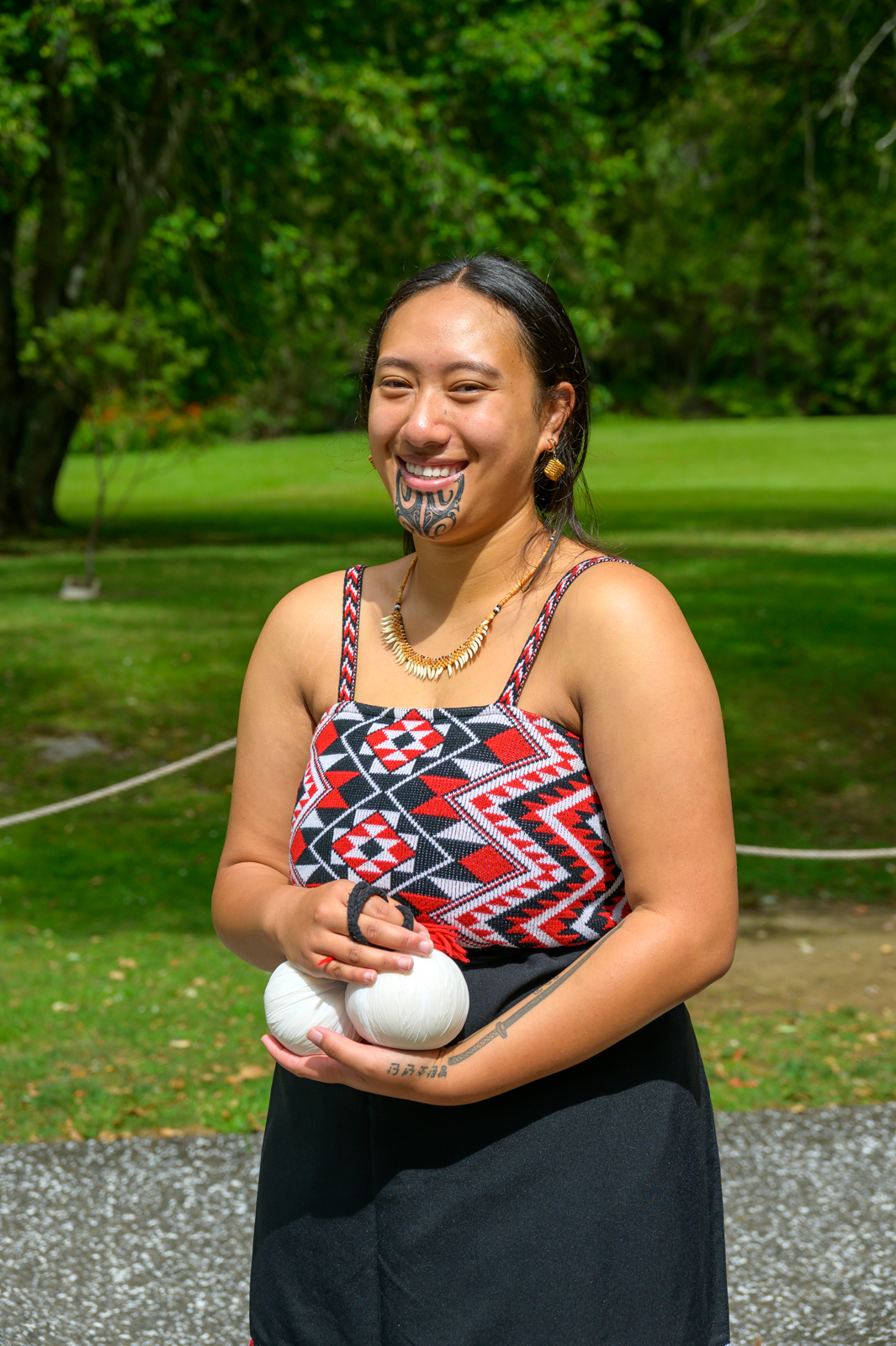
Our first port of call aboard the Orion was the historic Waitangi Treaty Grounds, often referred to as the “Birthplace of our Nation” by the “kiwis”. It is the place where a treaty with the Māori people and the British Government was signed in January 1940. Today, young Māori men and women share their traditional stories and cultural performances at the Treaty Grounds Museums.
Glenfern Sanctuary – Great Barrier Islands
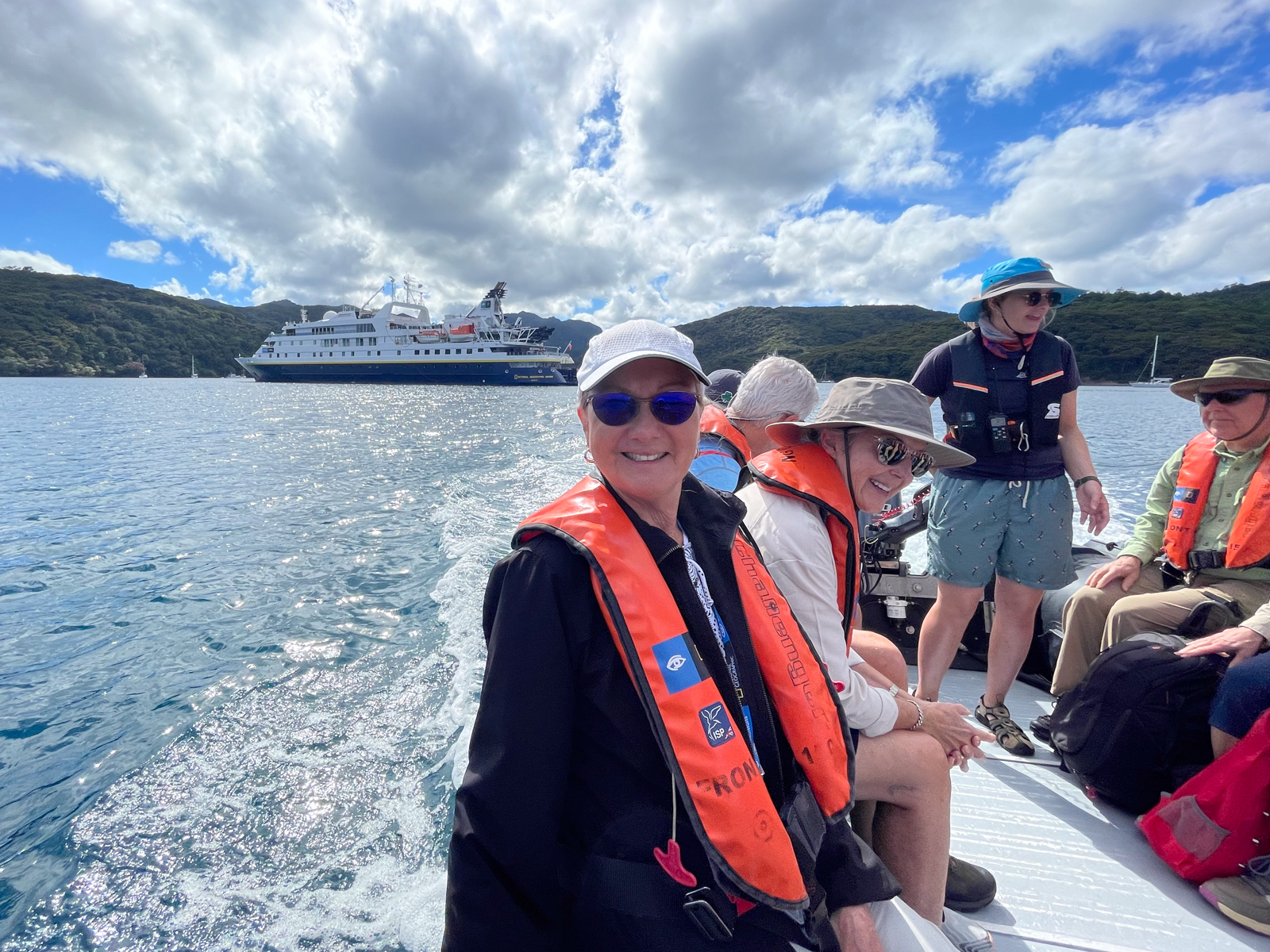
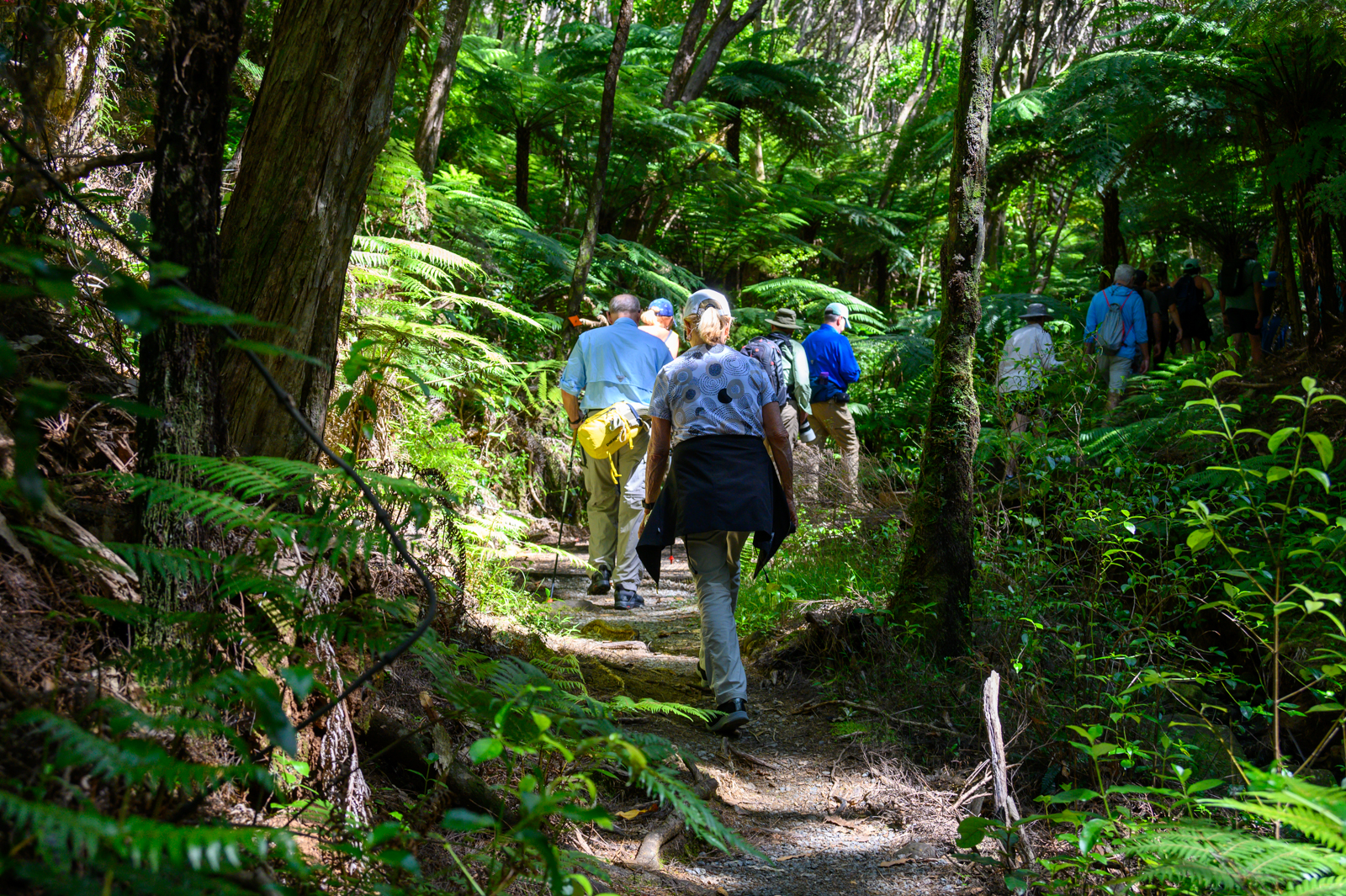
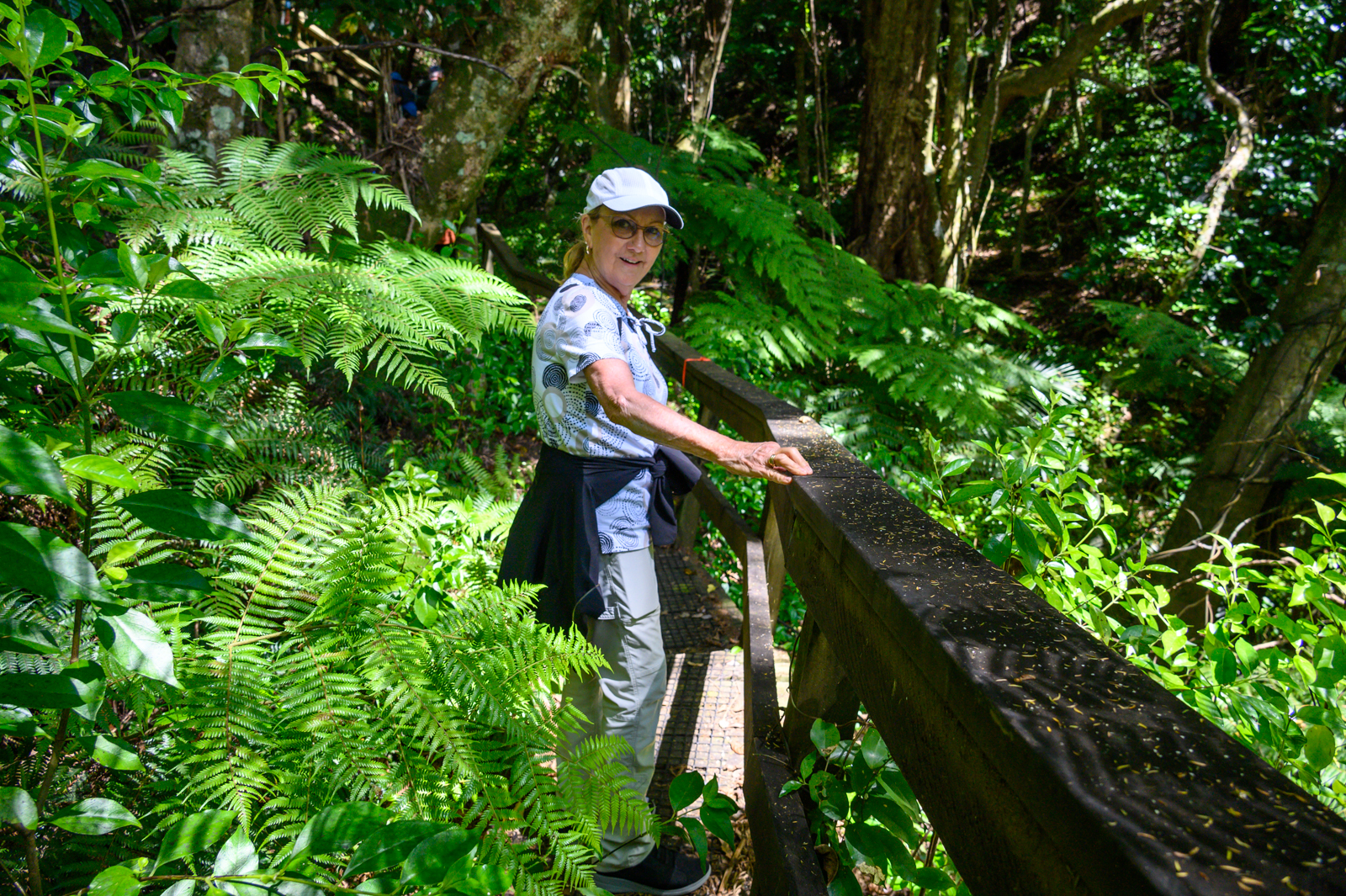
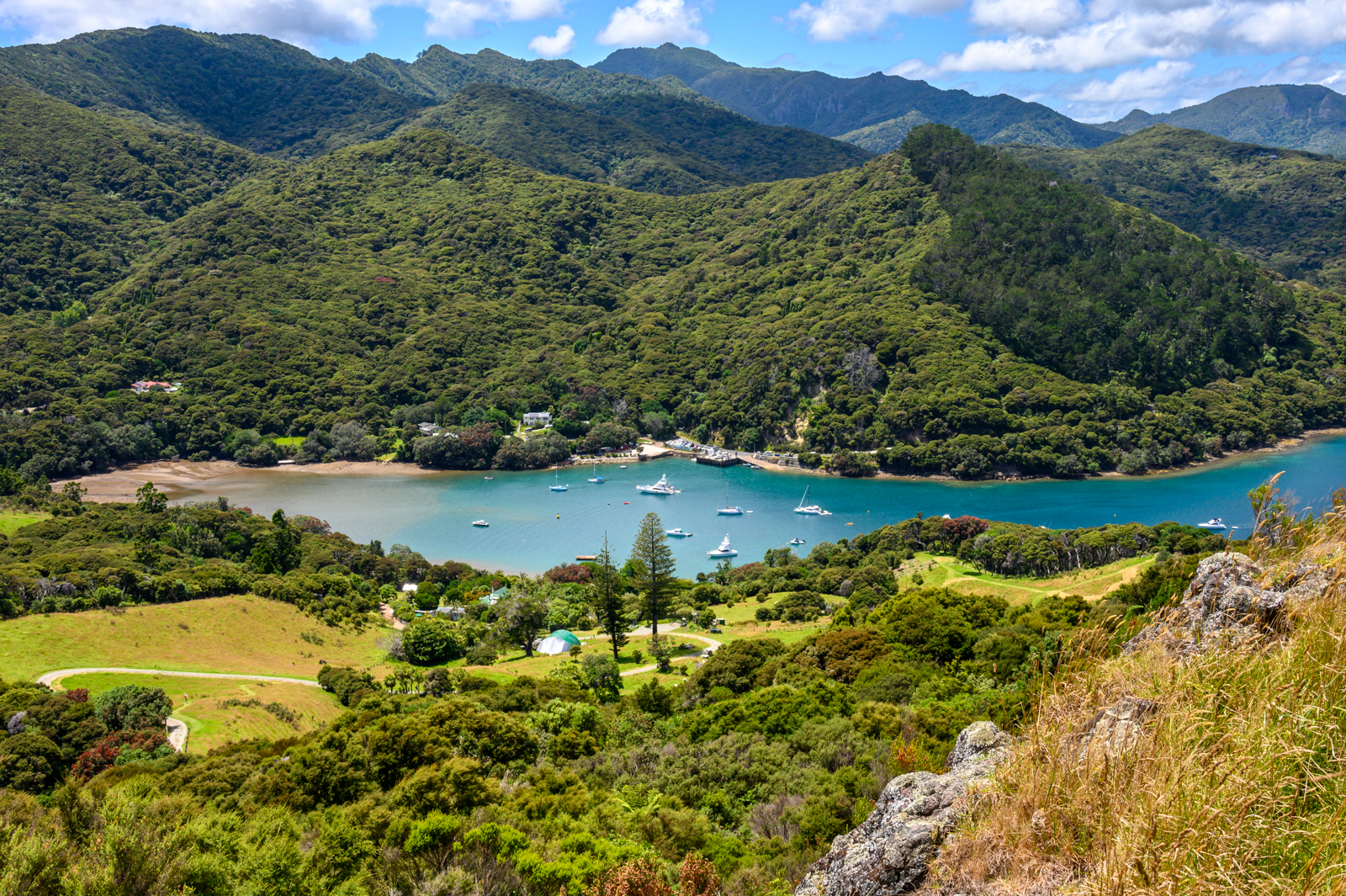
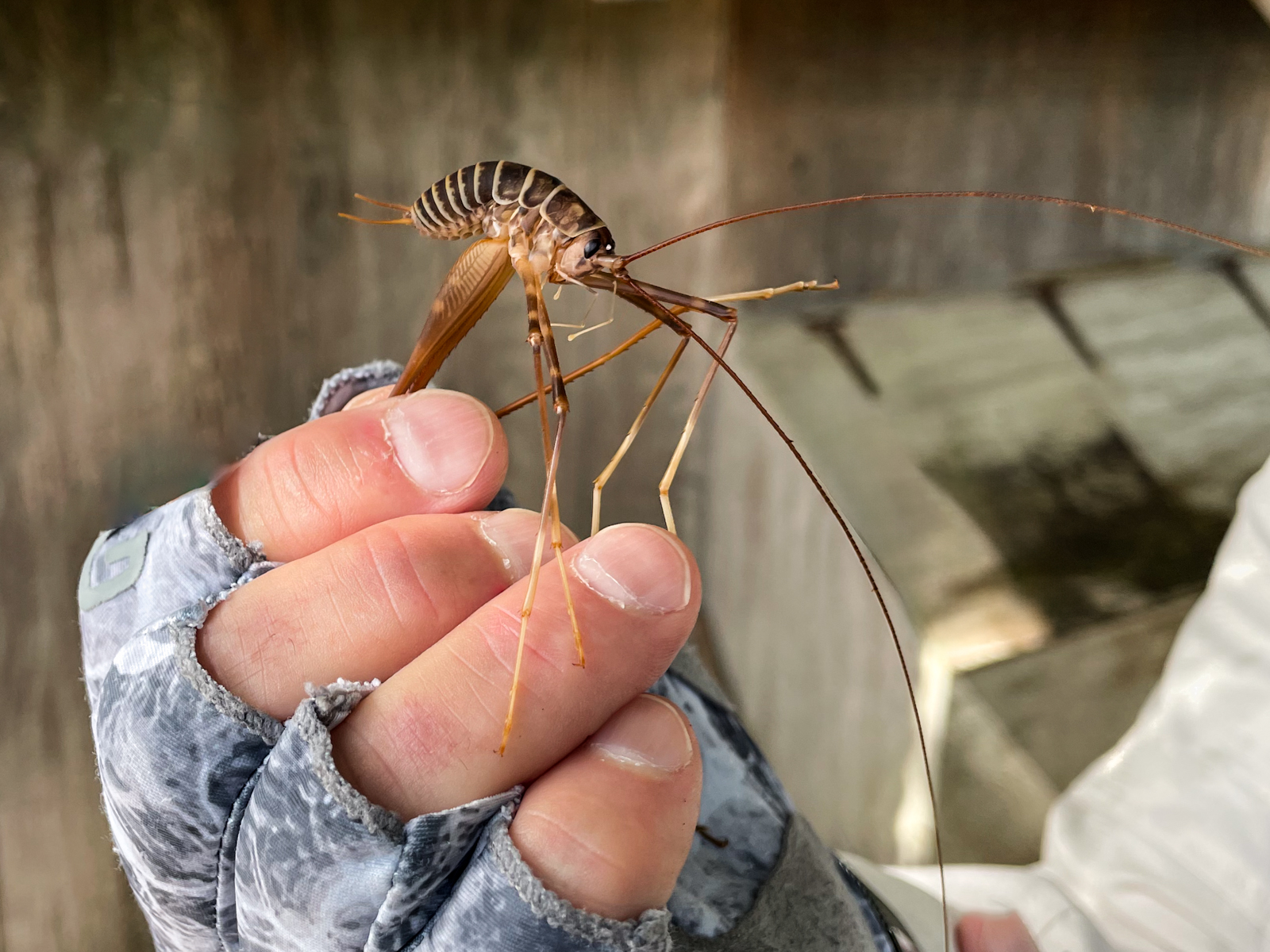
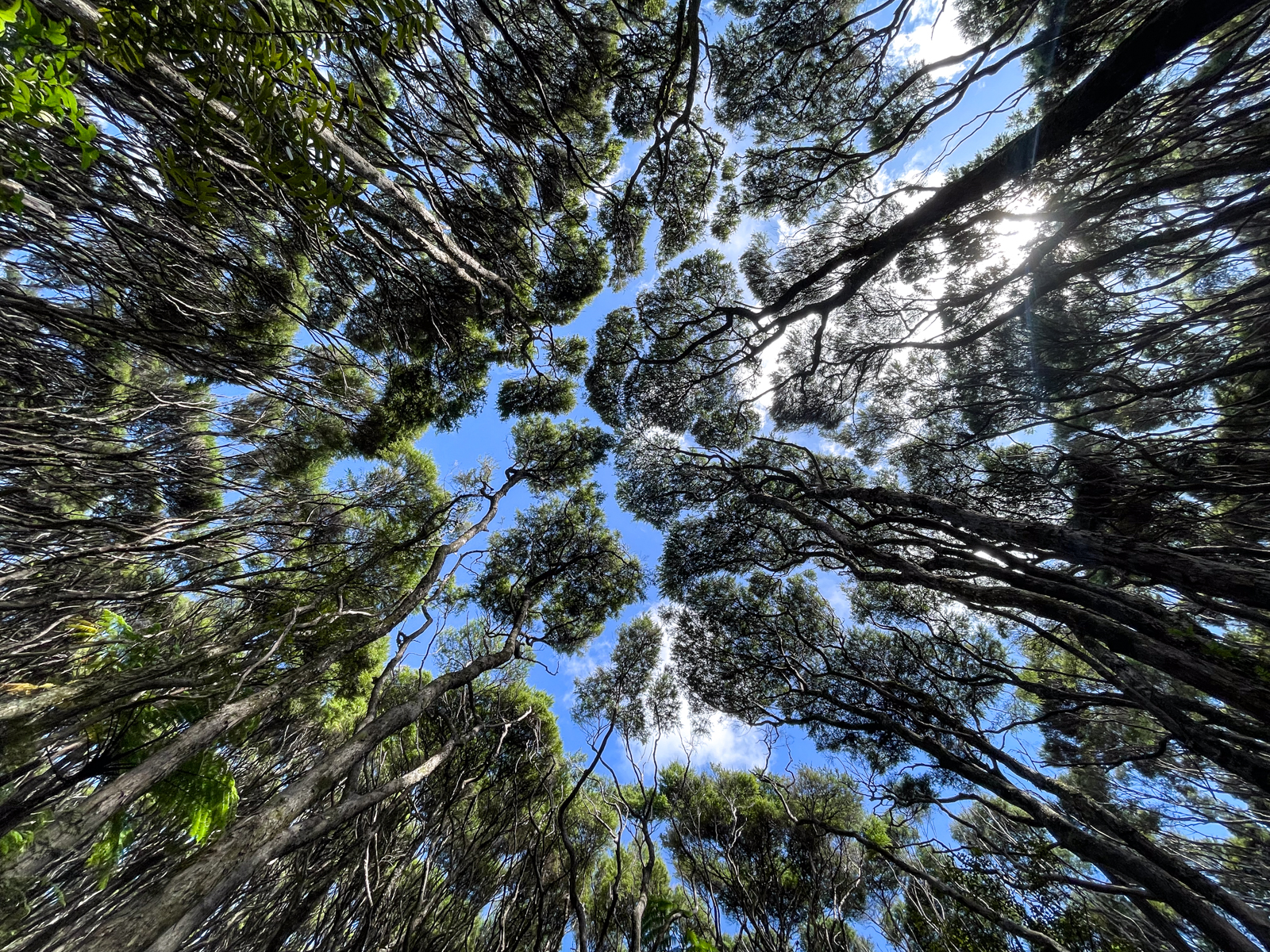
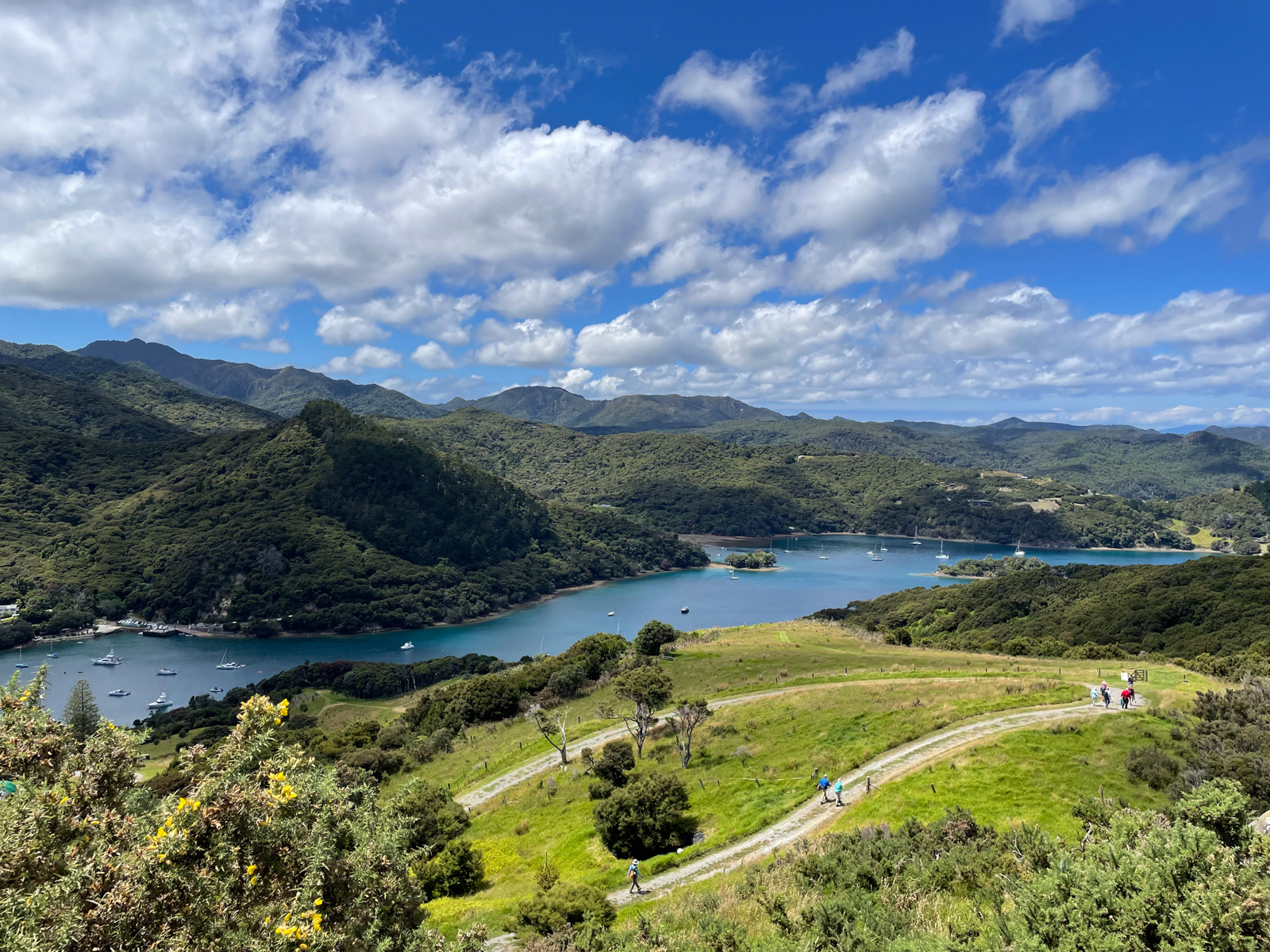
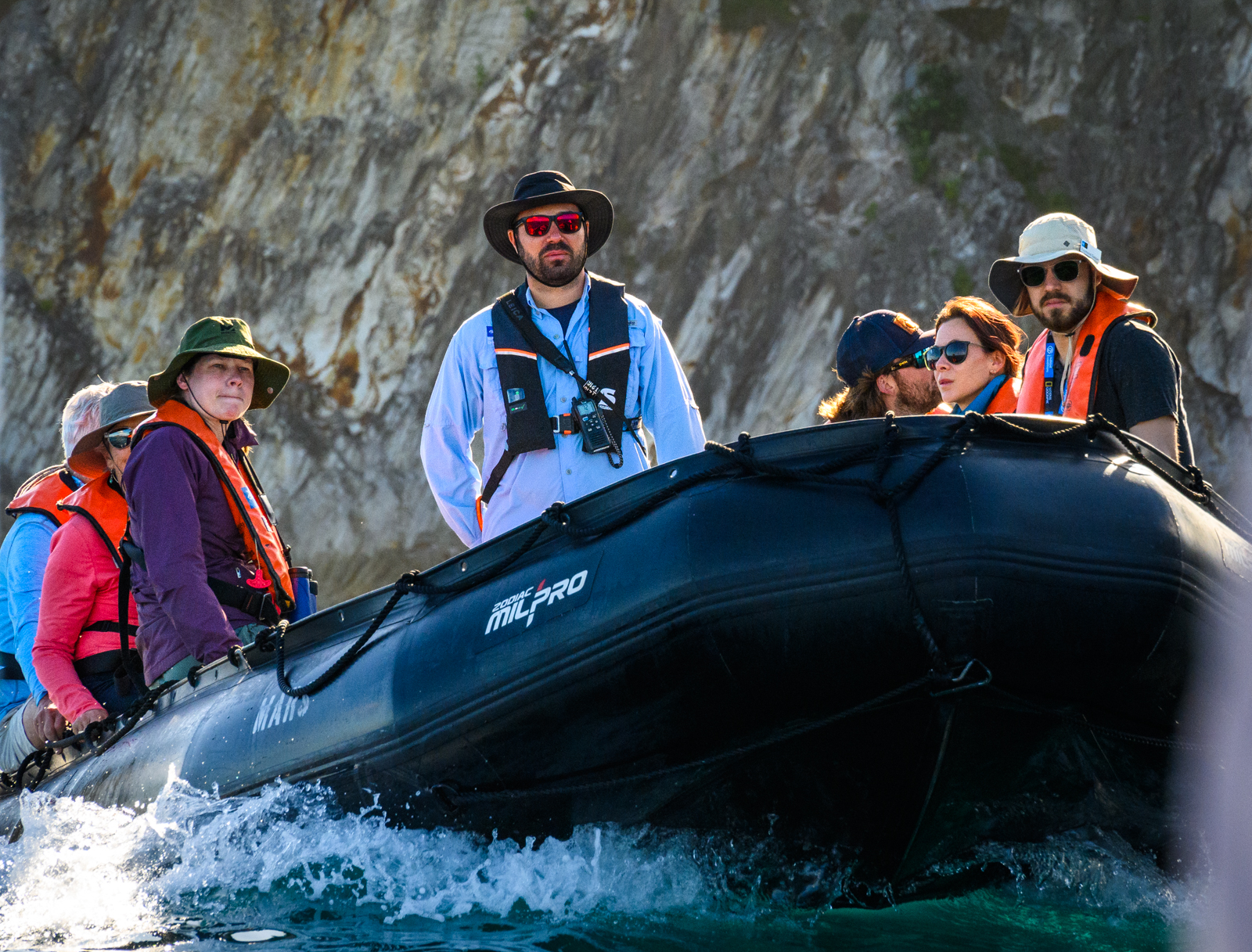
One of the most memorable New Zealand places we visited was Glenfern Sanctuary. The 205-acre regional park, founded by the late conservationist Tony Bouzaid, is home to some of the most threatened species in New Zealand. The conservation project utilizes remote sensors and traps to provide an environment free of rats and feral cats in support of native seabirds that nest on the ground. We enjoyed hiking this unique sanctuary along the 2 km loop trail through some of the most pristine forests we have ever seen. Like most of our off-ship excursions, we traveled from the Orion to Glenfern via Zodiac boats piloted by our capable naturalist guides.
Aldermen Islands
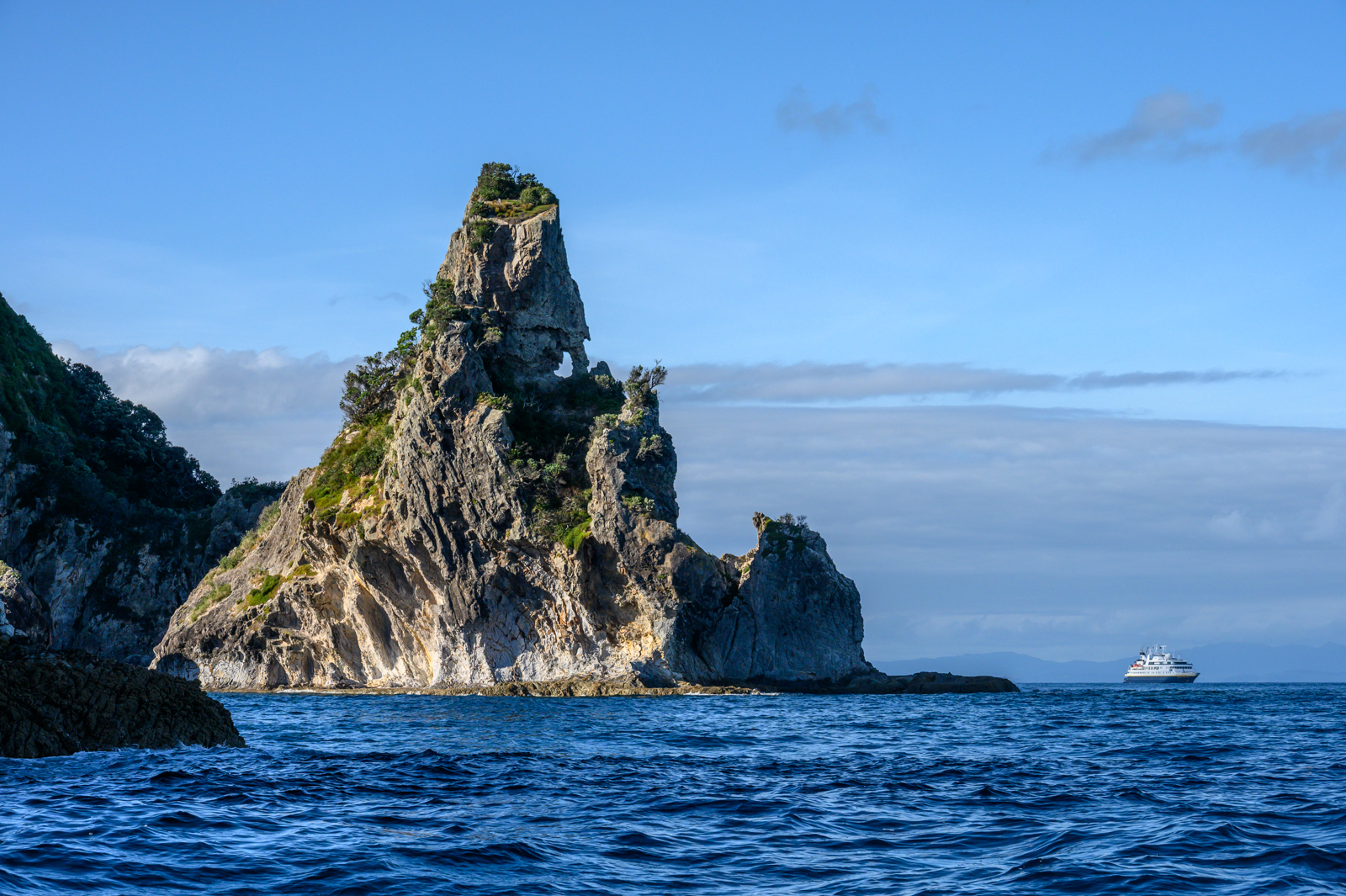
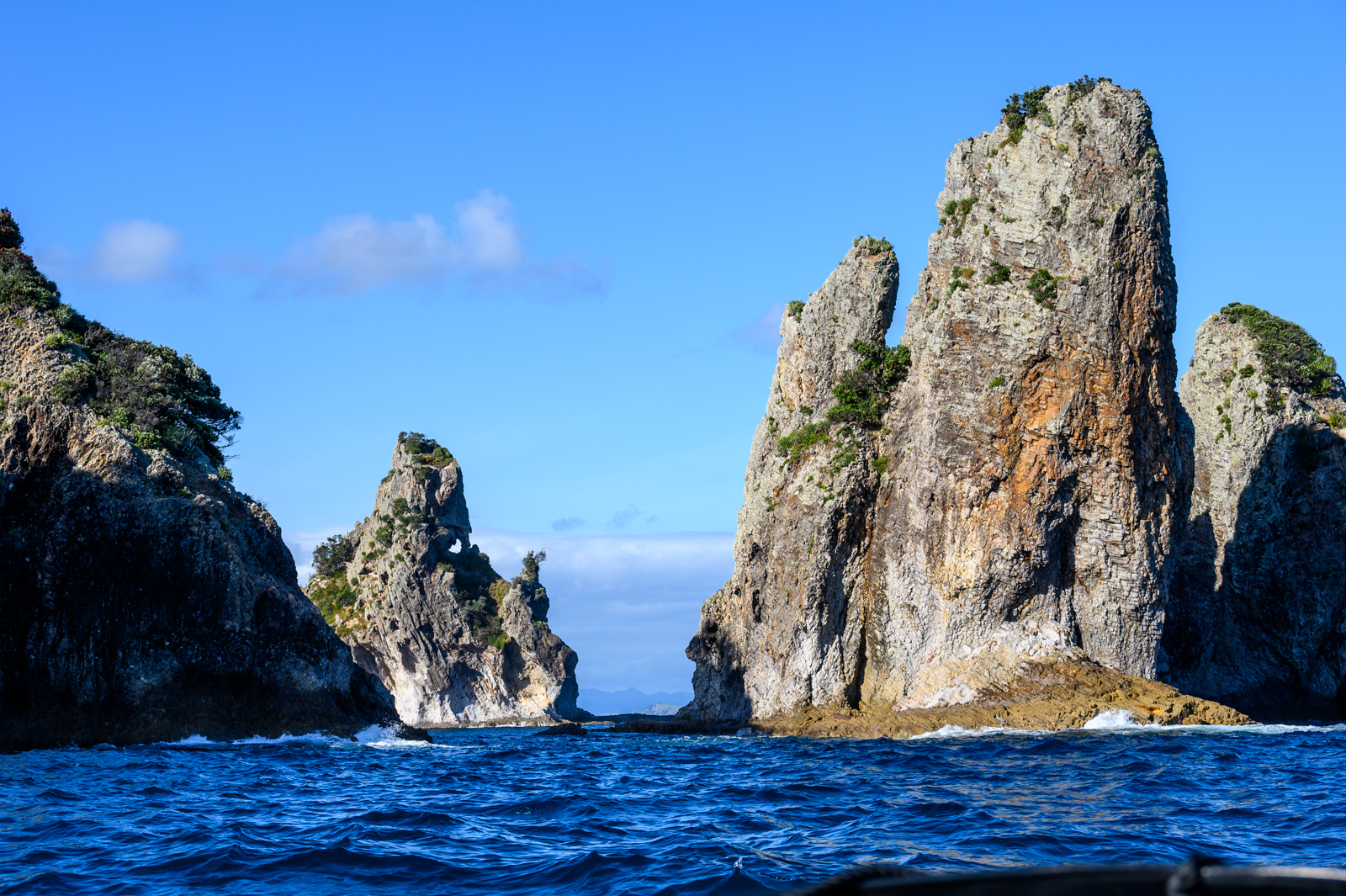
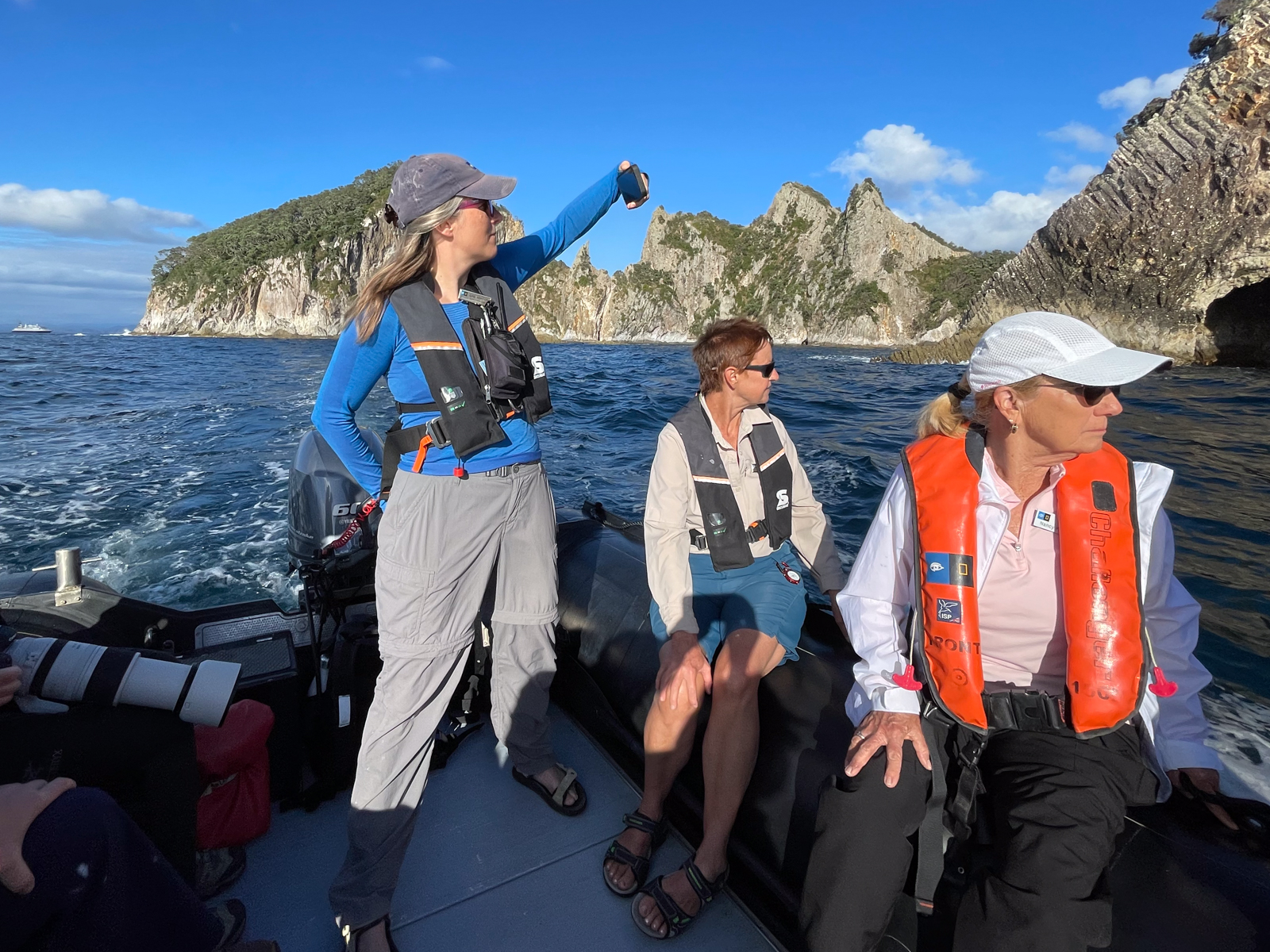
Named by Captain Cook, the Aldermen Islands are a small group of uninhabited islets approximately 12 miles off the eastern shore of New Zealand’s North Island. We spent several hours exploring these interesting remains of lava domes by Zodiac Boats.
White Island (Whakaari)
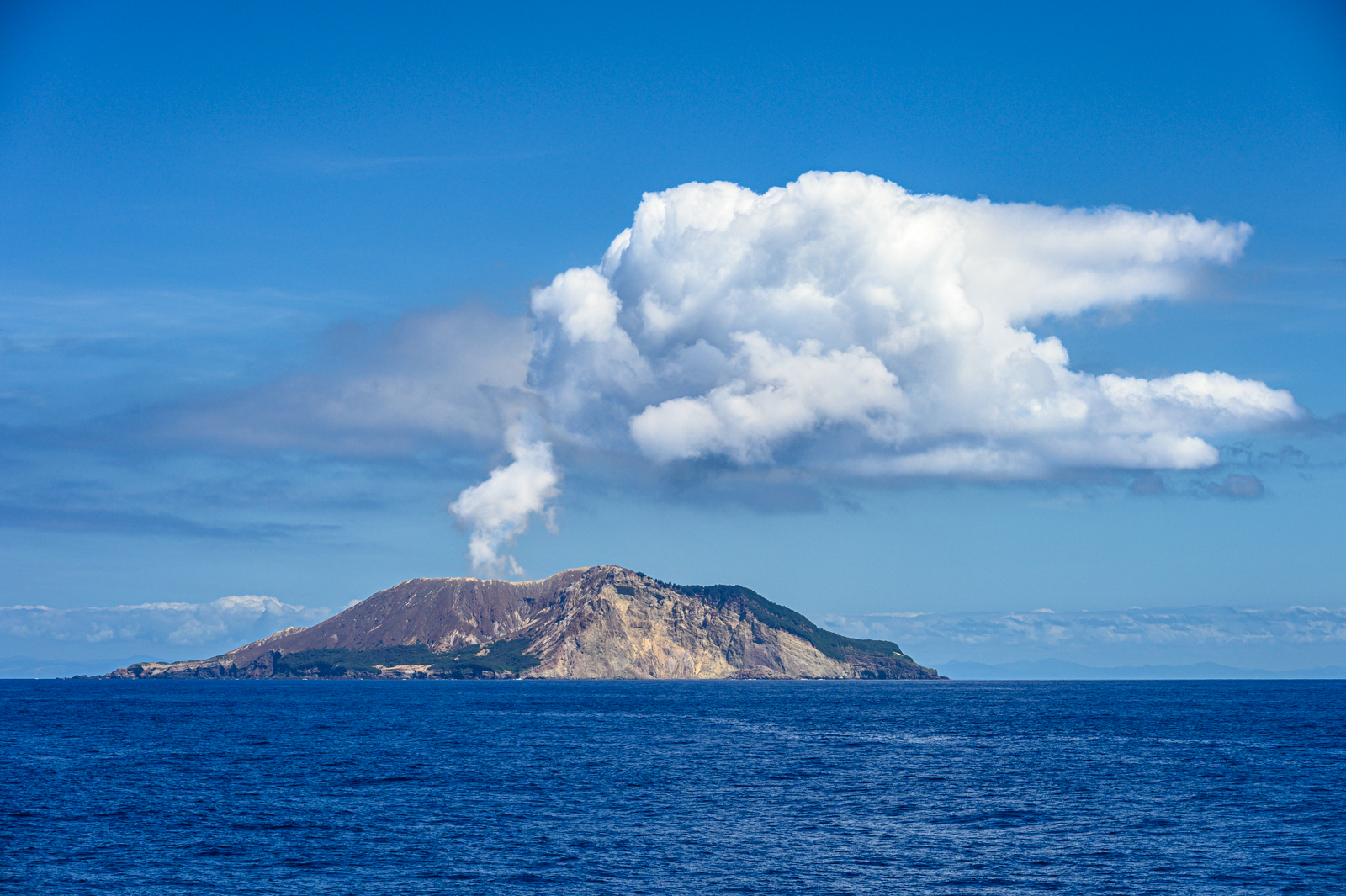
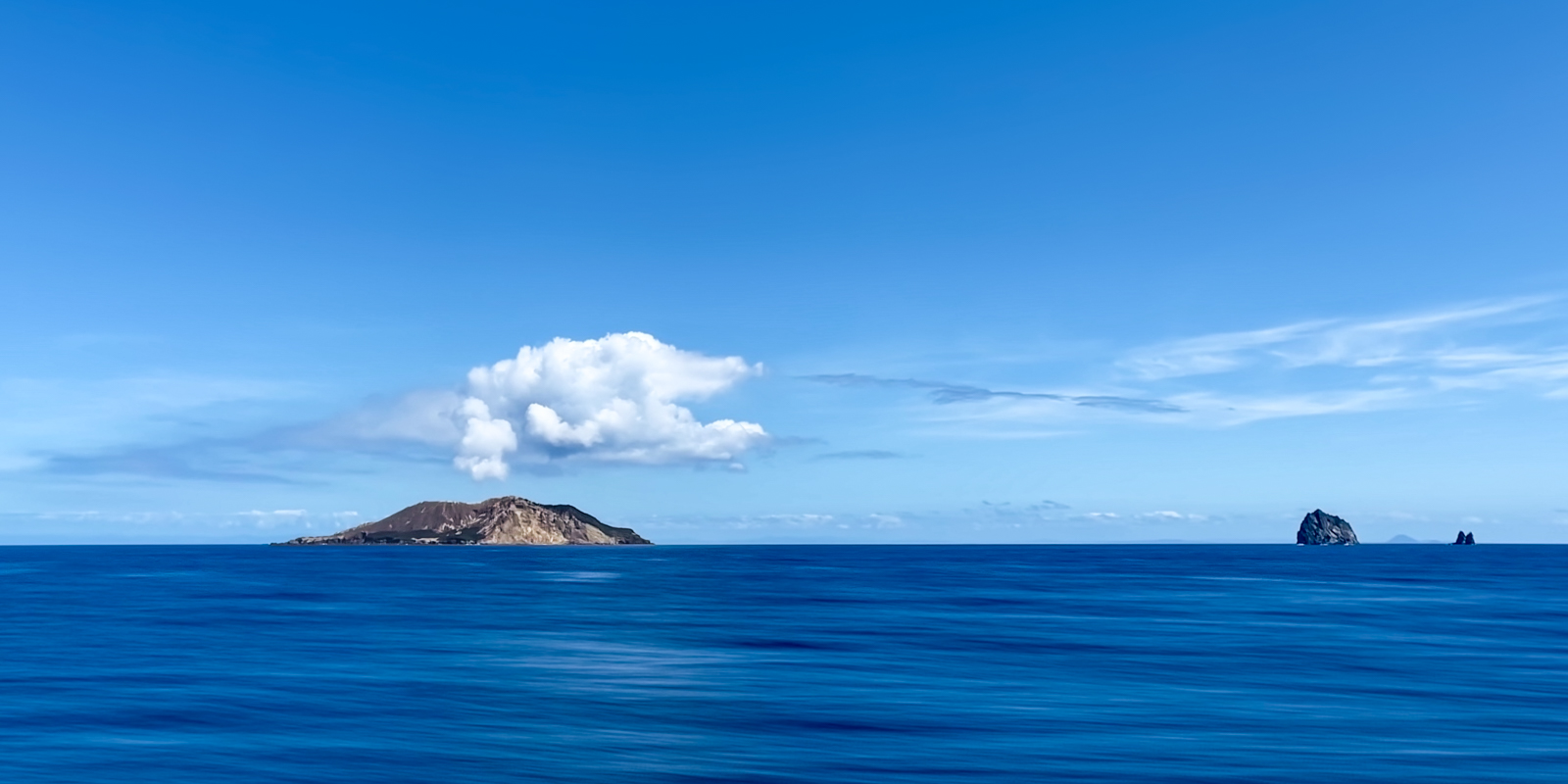
As the Orion cruised South along the East Coast of the North Island, we came into full view of New Zealand’s most active cone volcano, White Island. Also known by the Māori name, Whakaari. White Island is located approximately 30 mi offshore and covers an area of approximately 800 acres. Just a few years ago, tours were conducted on the island to observe the steam clouds and volcanic activity. However, people are no longer allowed on the island. A large eruption occurred in December 2019 which resulted in 22 fatalities and injured 25 survivors.
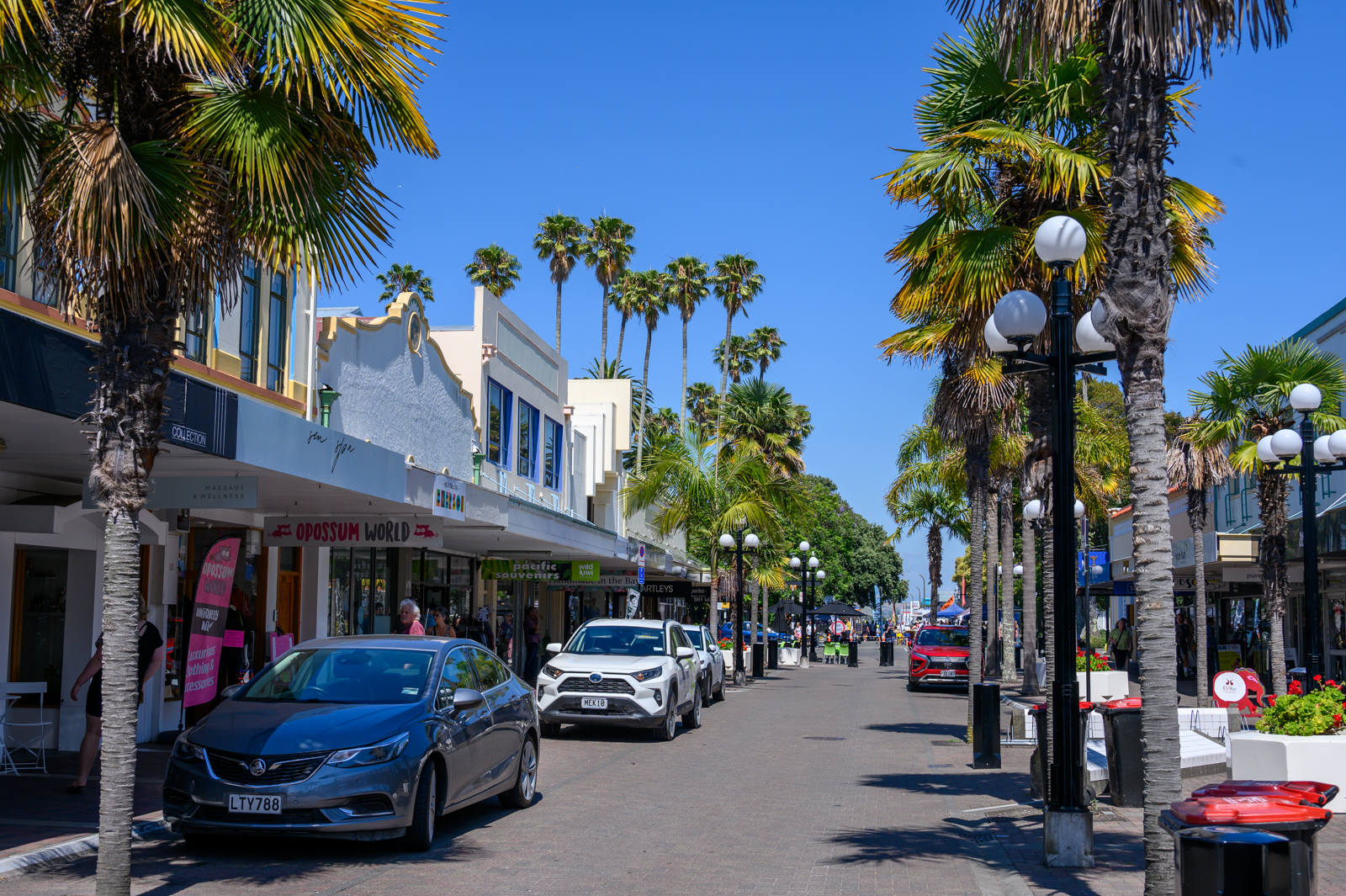
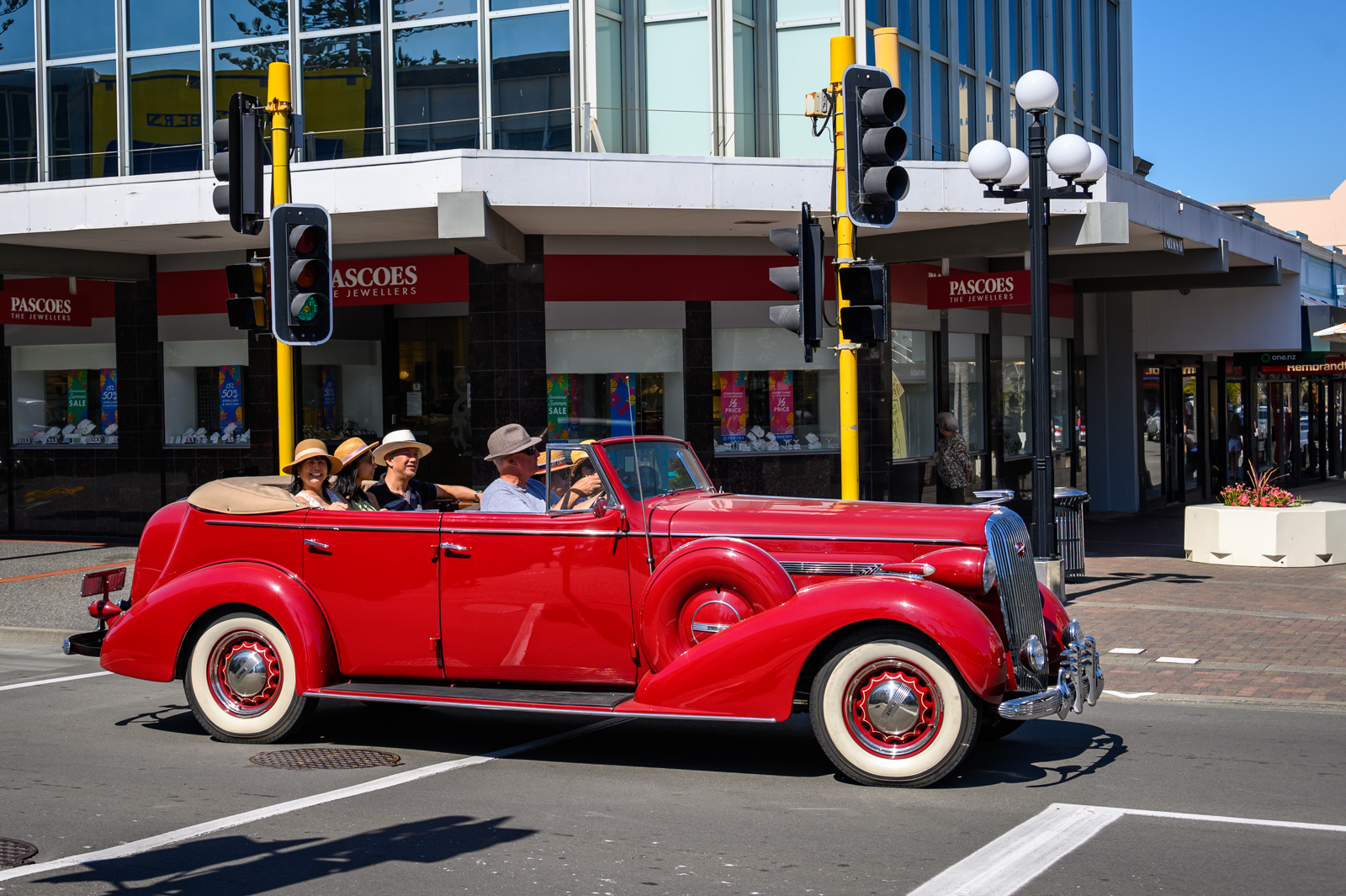
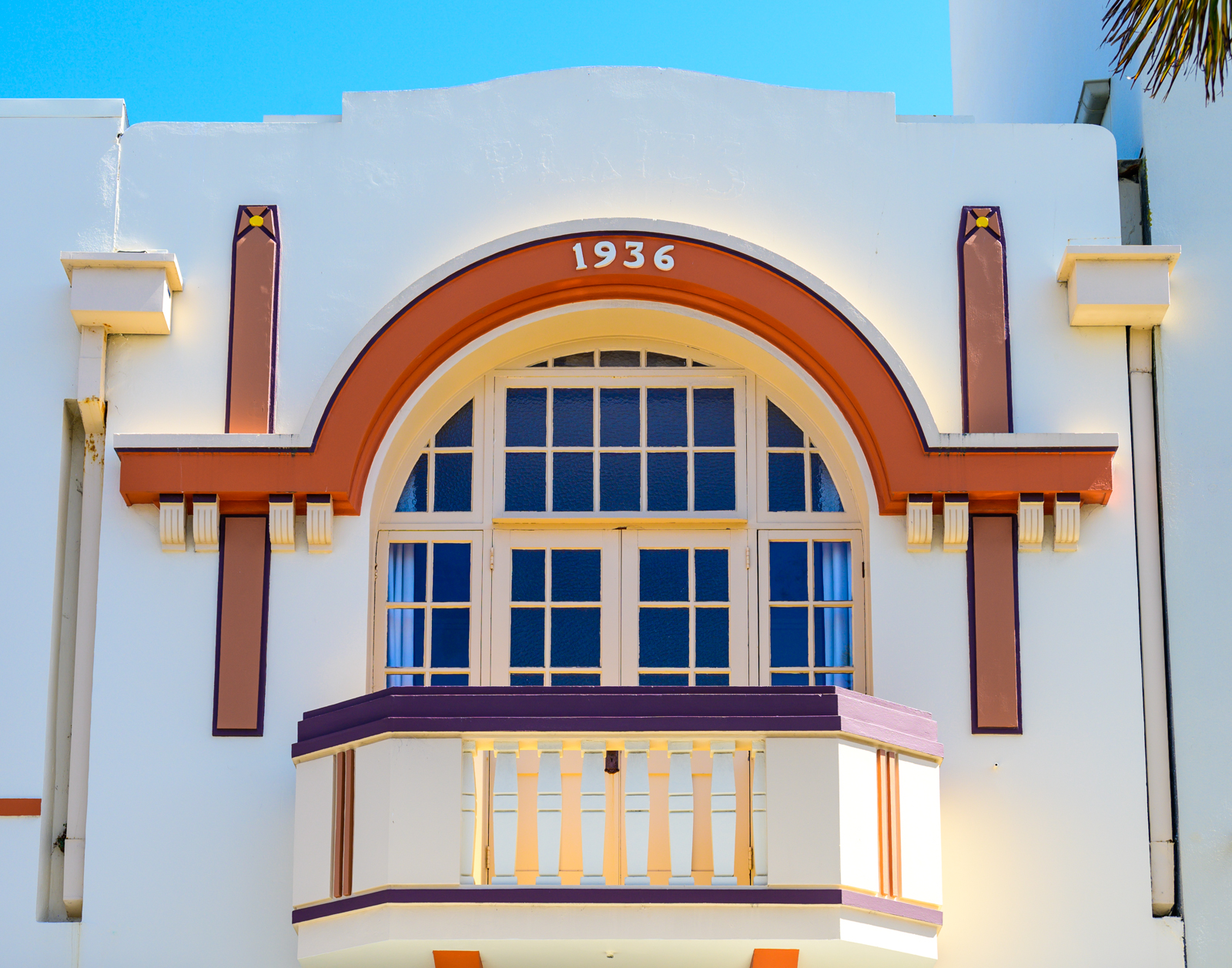
Napier, a unique city in the Hawke’s Bay region.
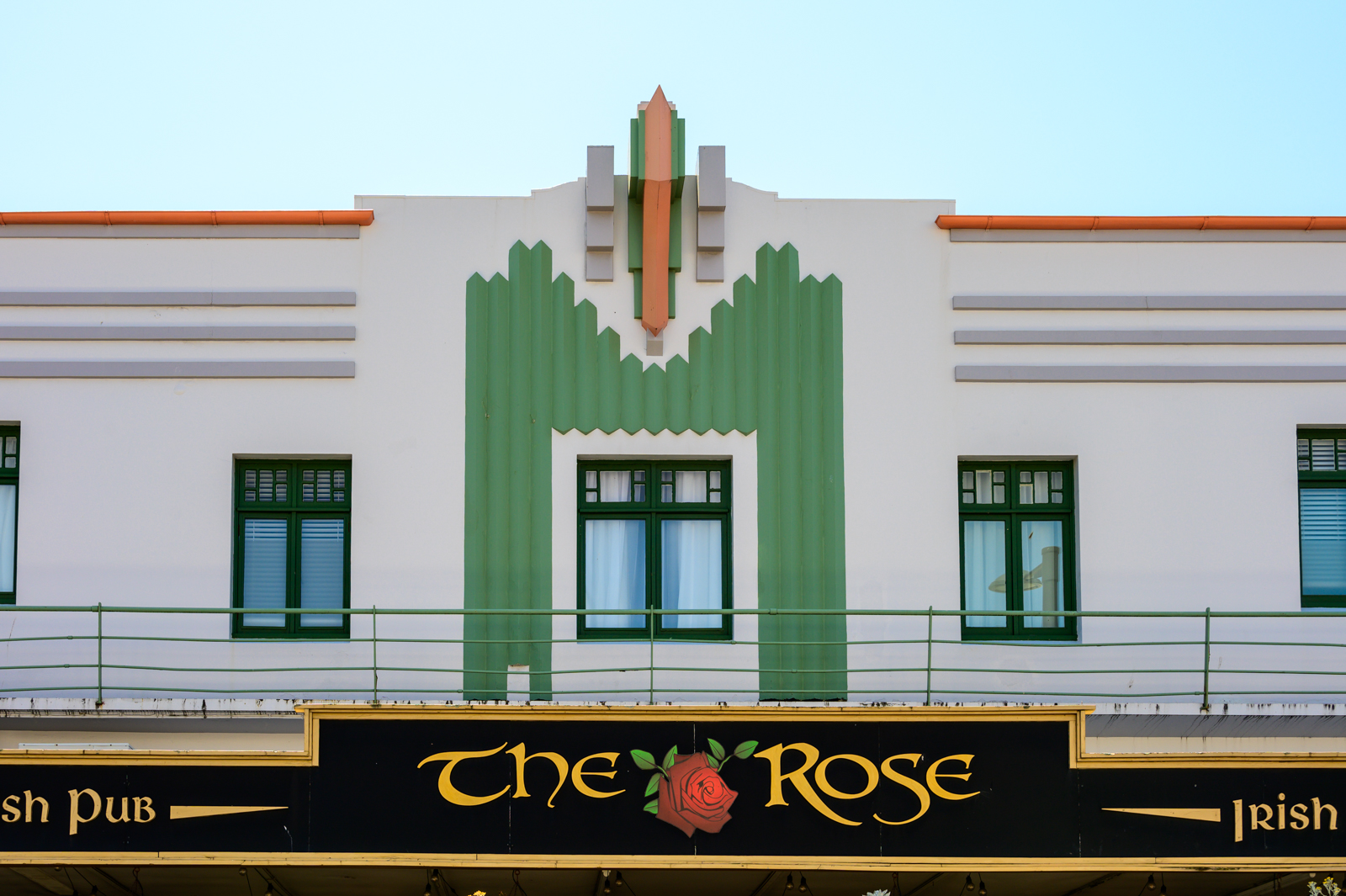
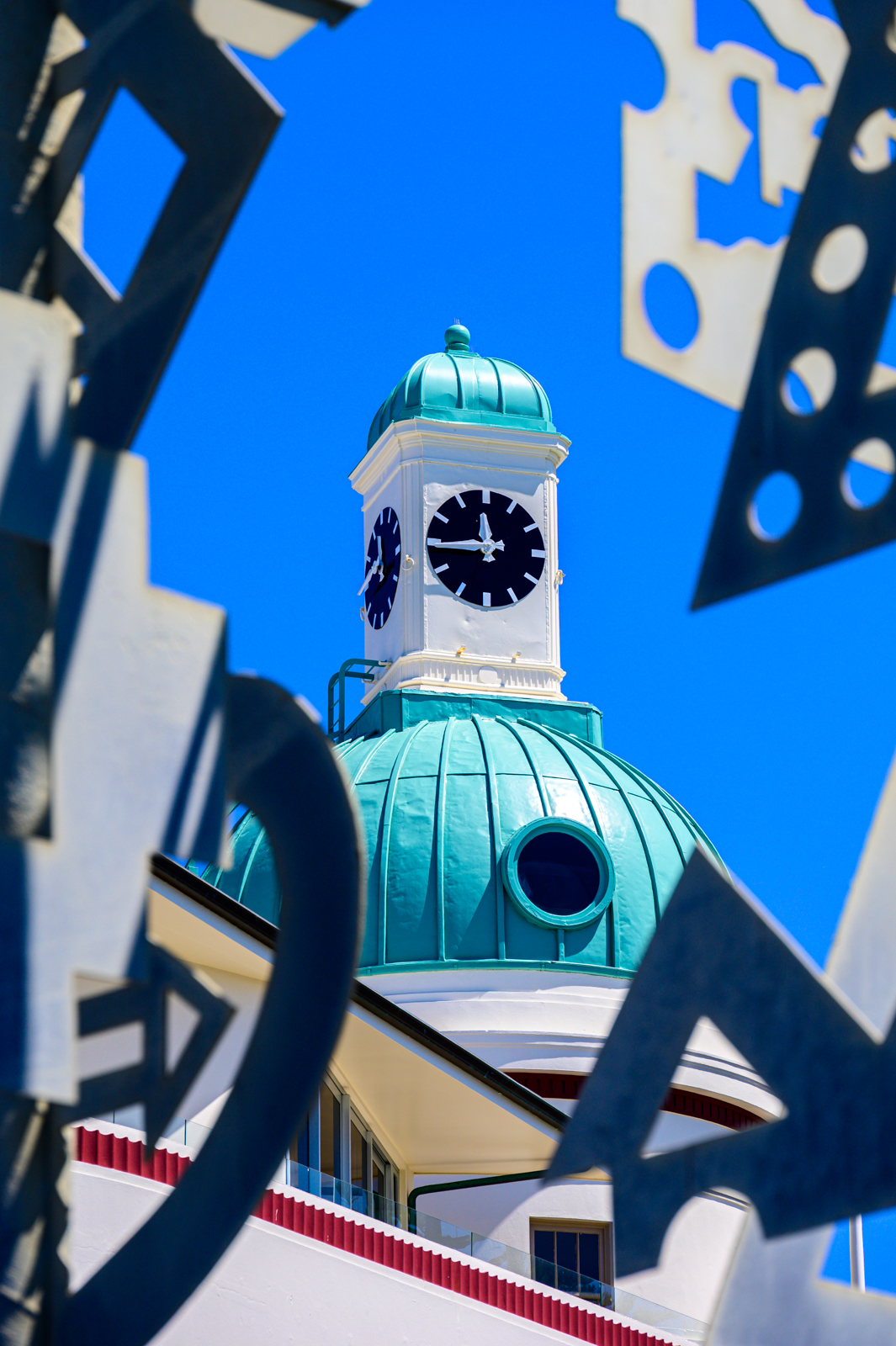
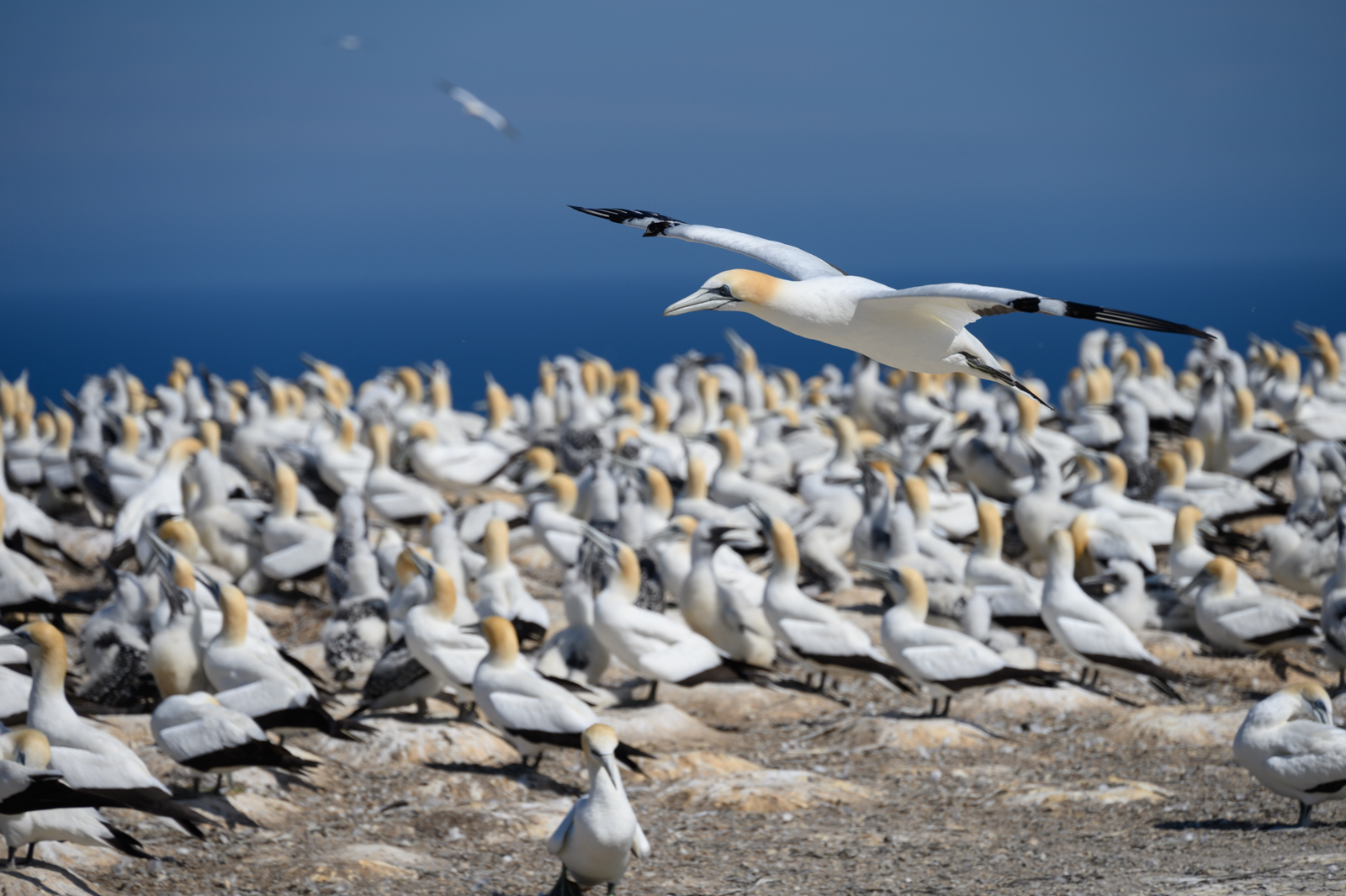
Our next port of call was Napier, a lively city located on the East Coast of the North Island. Napier is a popular tourist city with a very unique concentration of 1930’s Art Deco architecture which was built after much of the city was destroyed in the 1931 Hawke’s Bay earthquake. While visiting Napier, we joined an afternoon tour to Cape Kidnappers to observe a large Australian Gannet colony.
Abel Tasman National Park
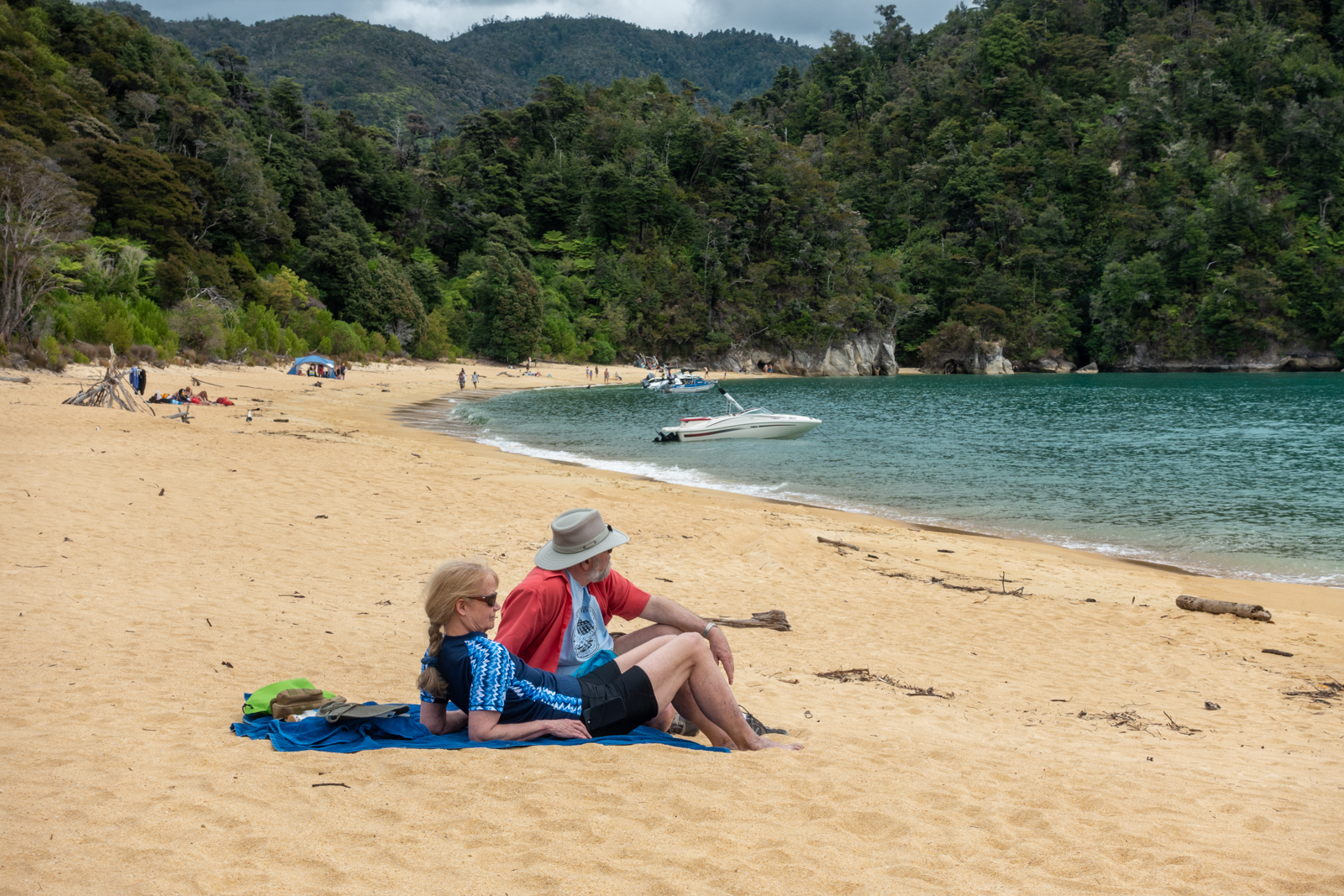
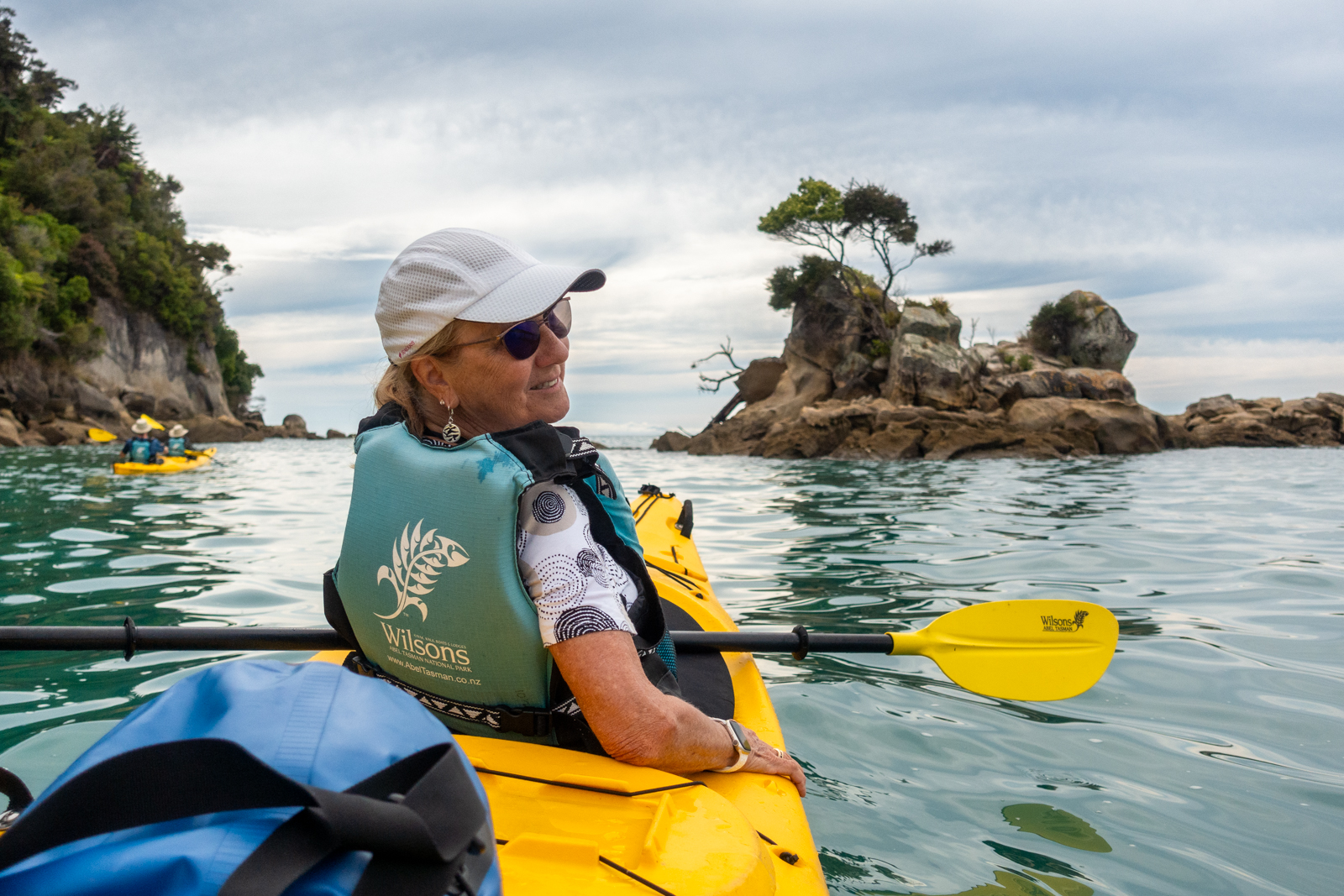
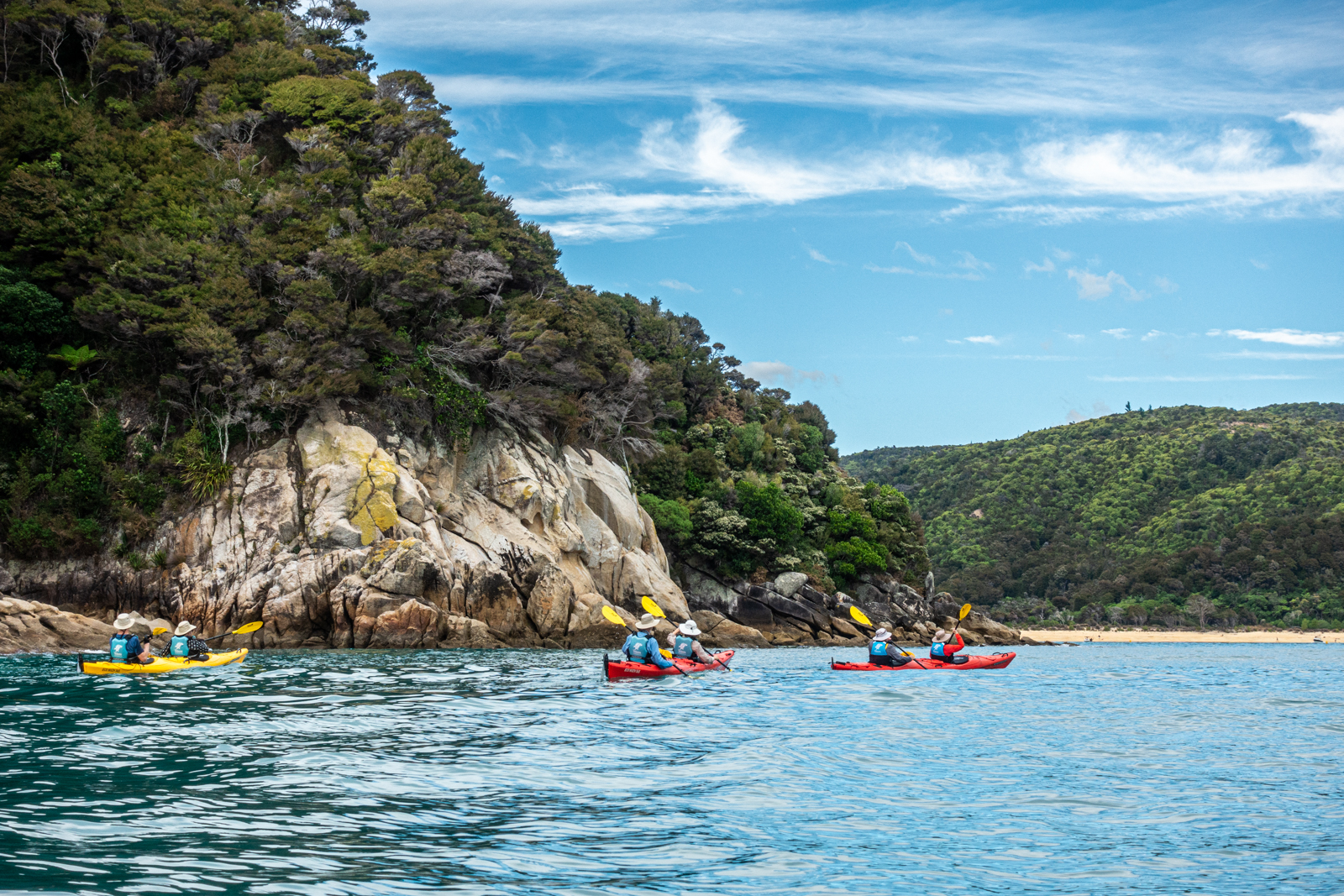
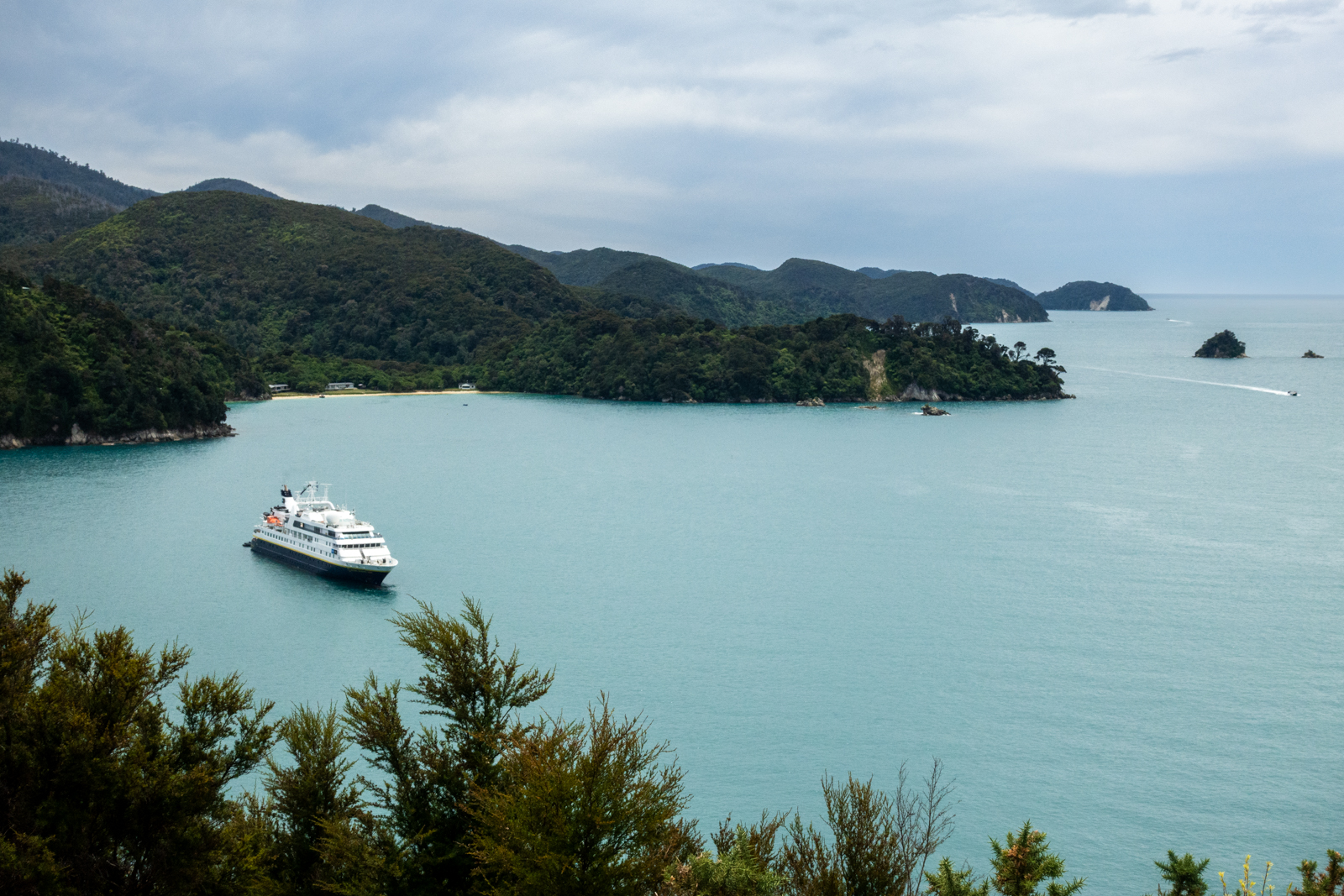
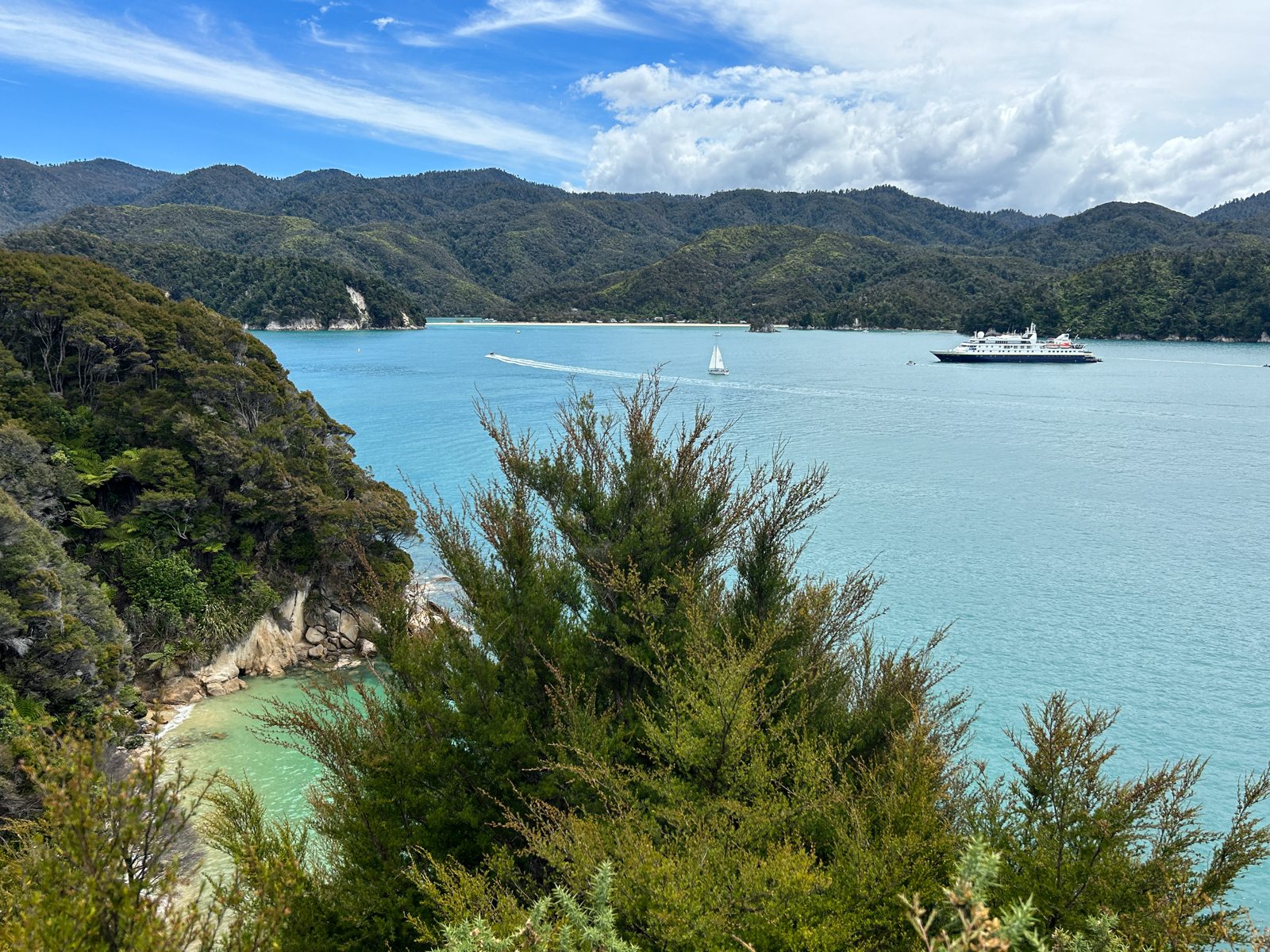
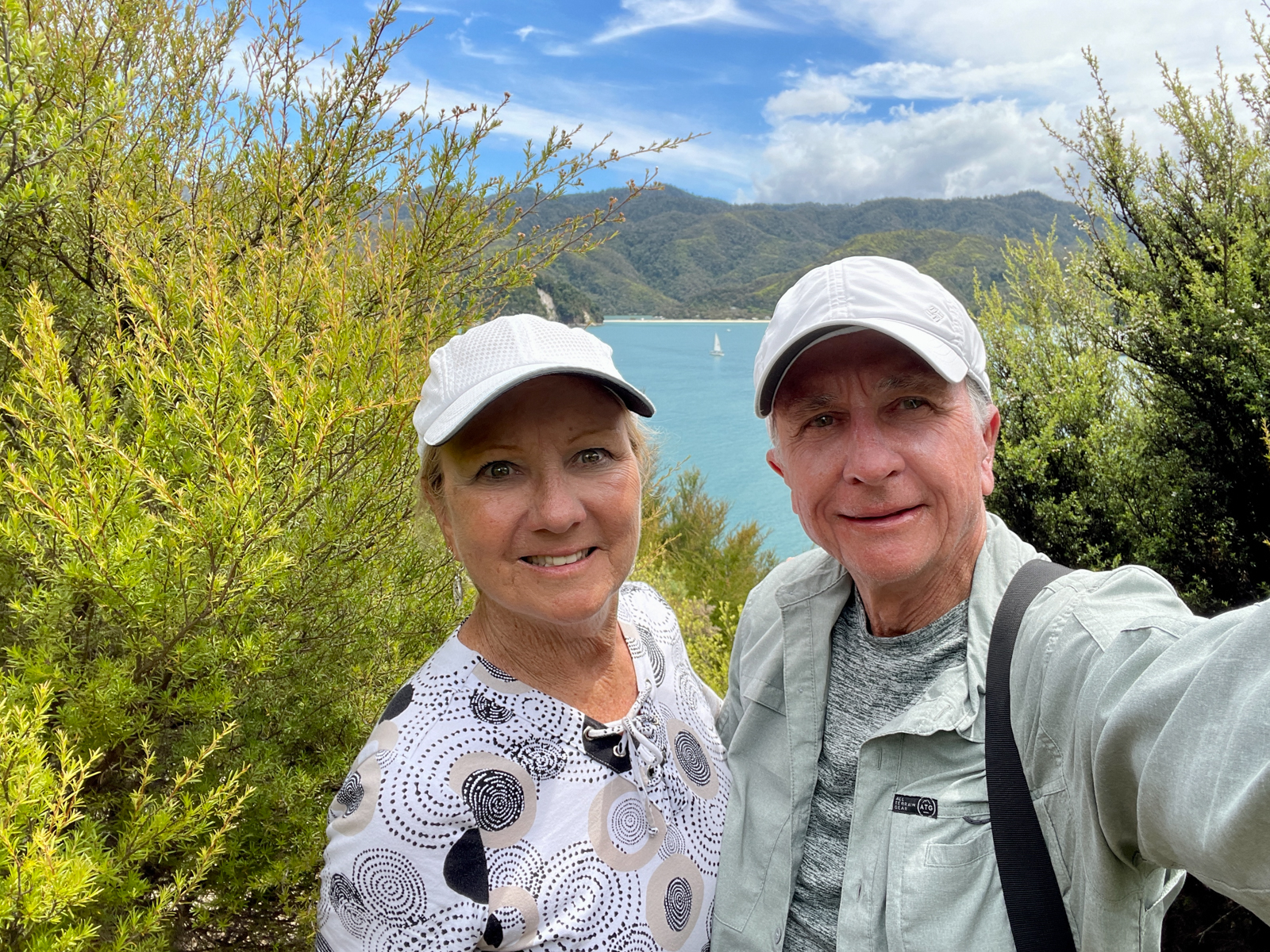
After navigating through Cook Strait, we arrived at another unique natural conservation area, Abel Tasman National Park. Named after a Dutch seafarer, the park is nestled inside Tasman Bay on the Northern tip of the South Island. The park is known for its golden beaches, sculptured granite cliffs, and natural forest hiking trails that provide panoramic views of the Bay. We enjoyed exploring the bay in sea kayaks, and hiking several of the forest trails inside the park.
Milford Sound
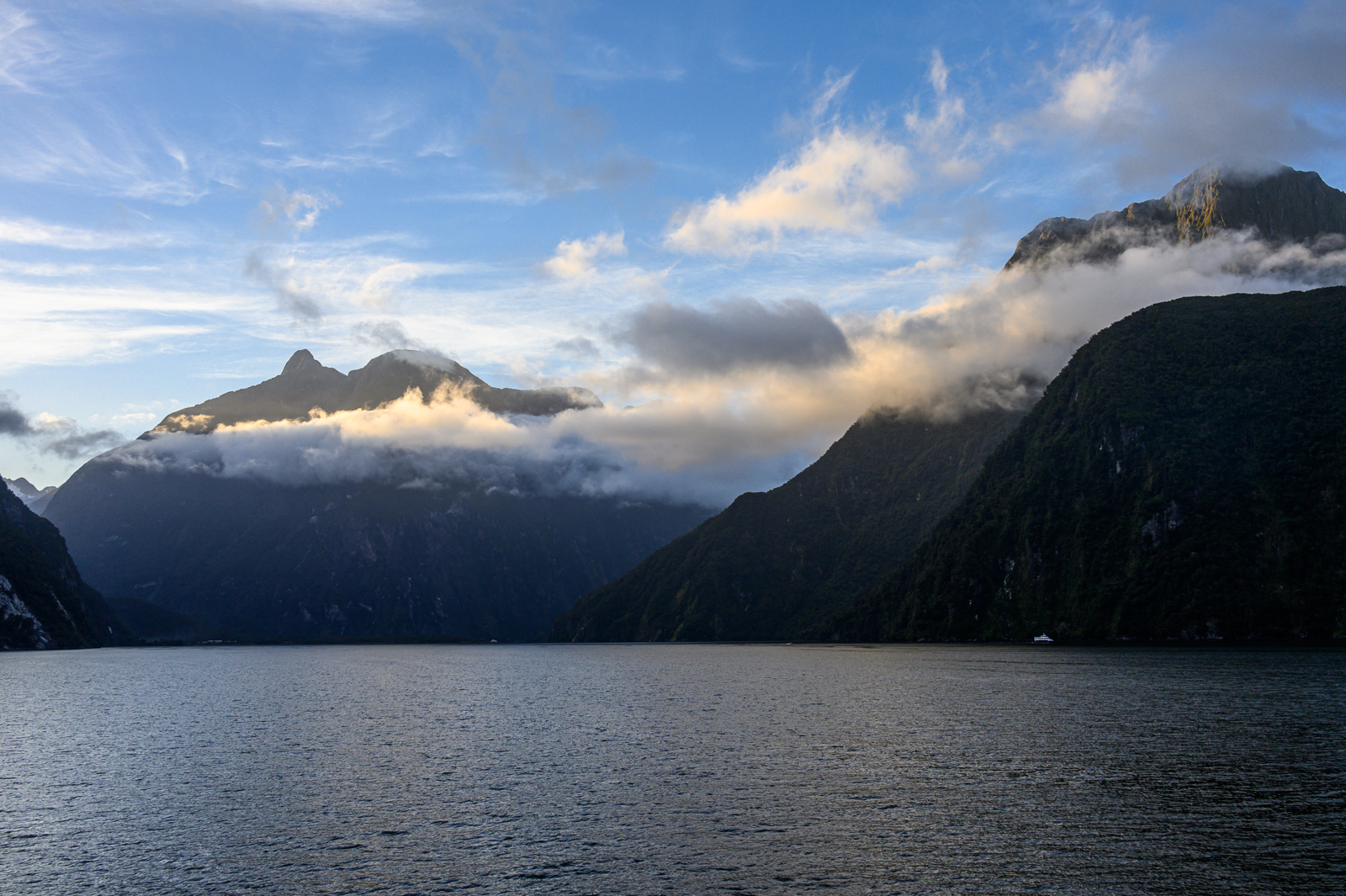
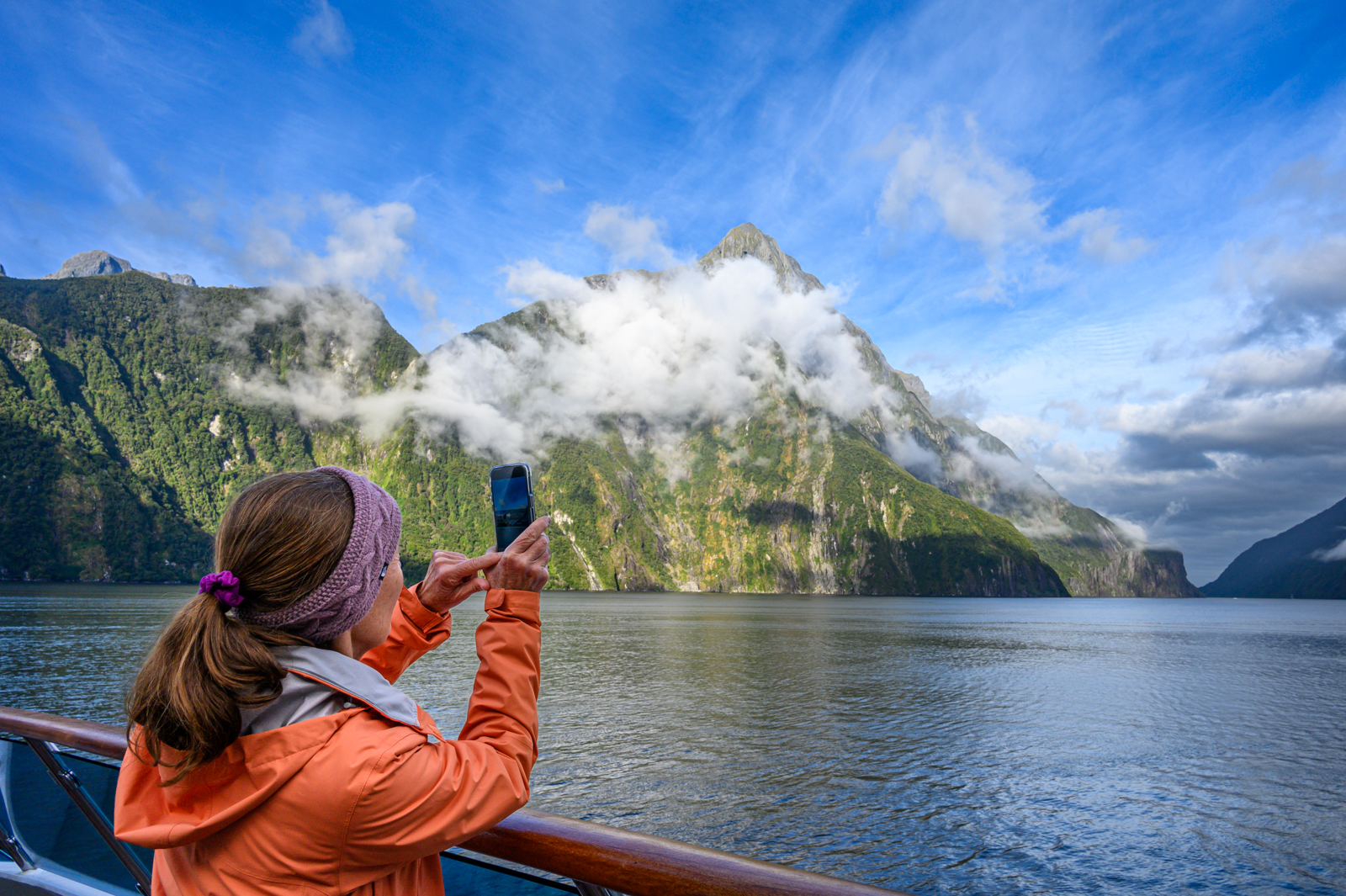
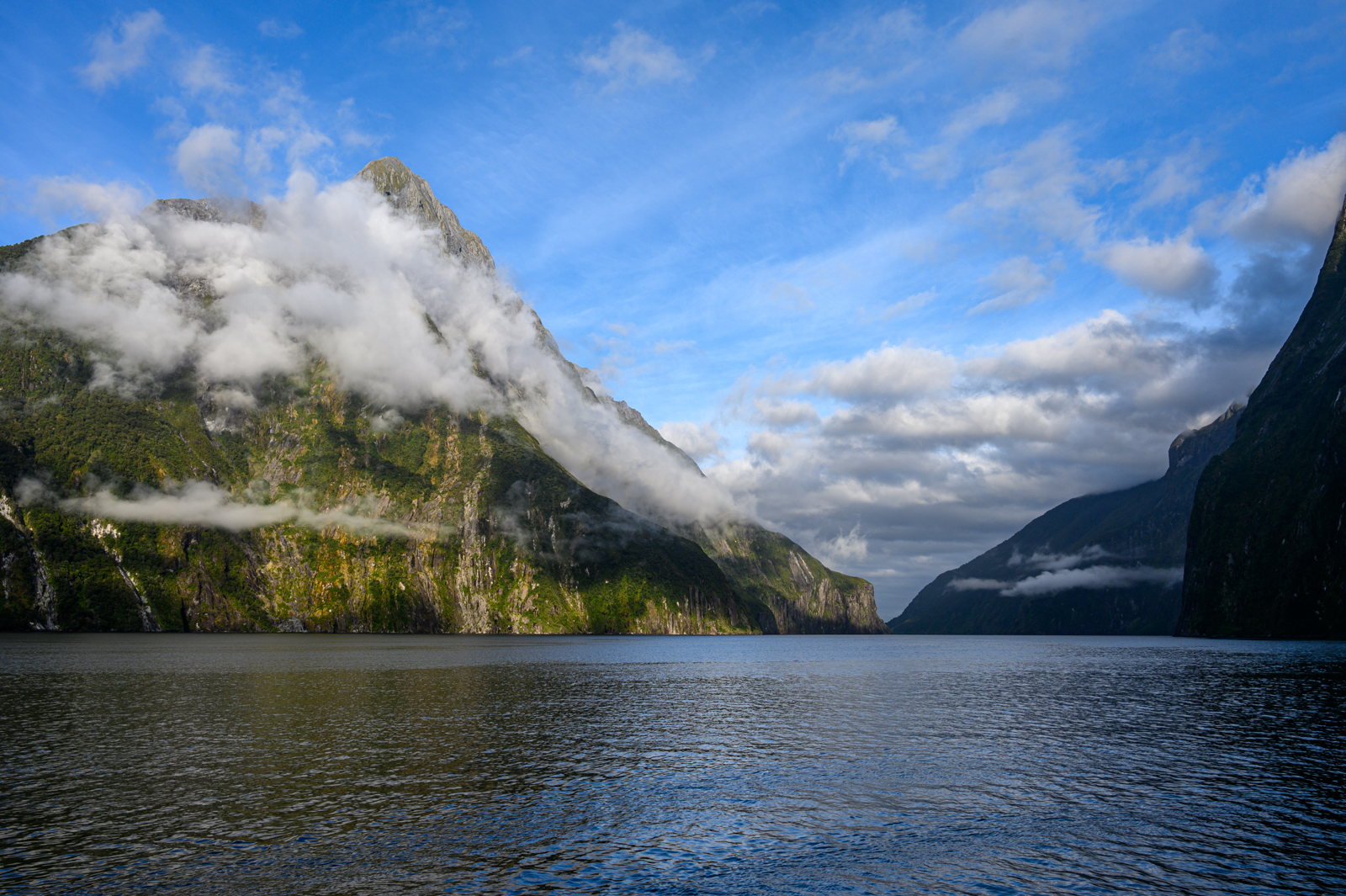
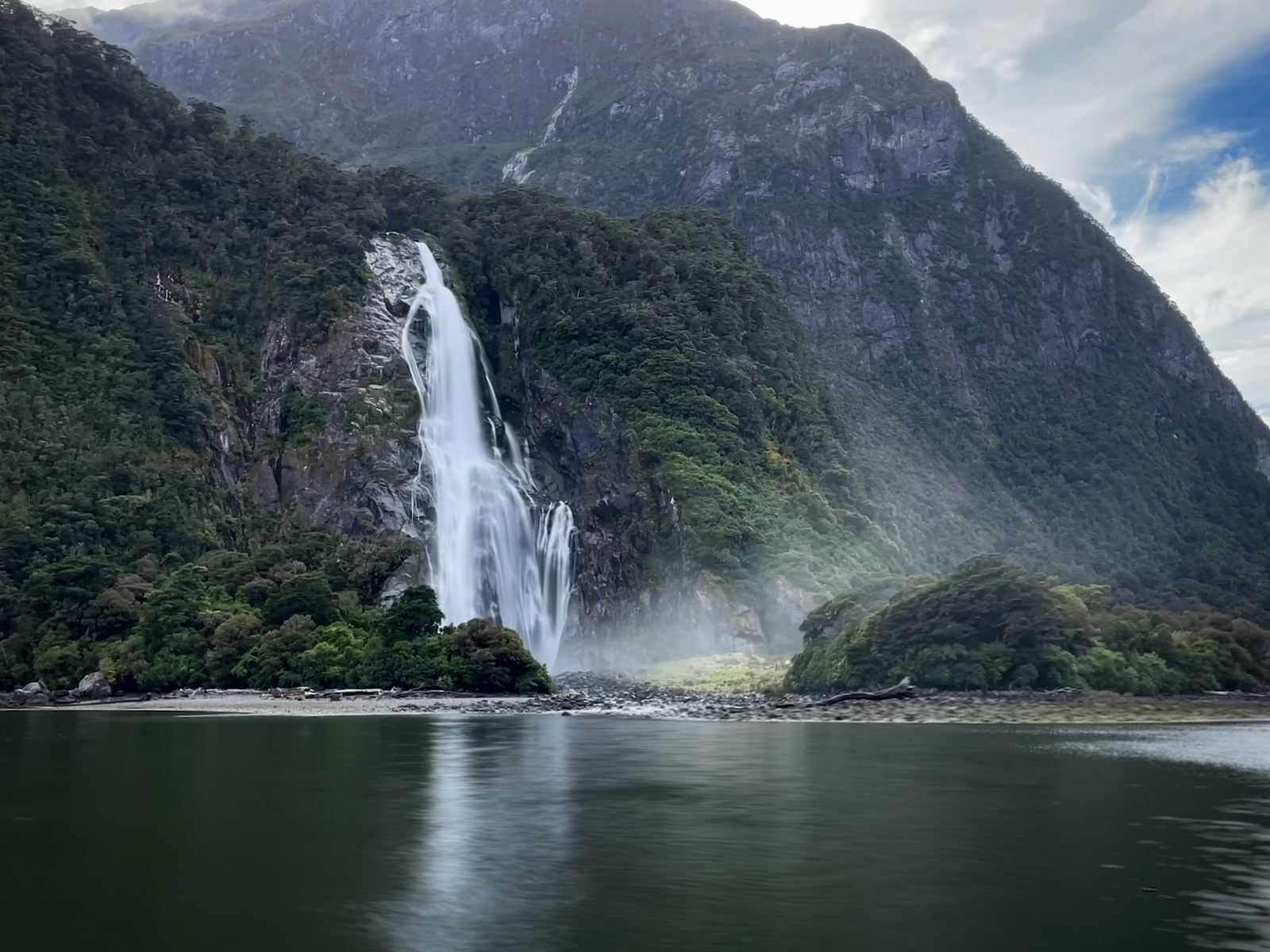
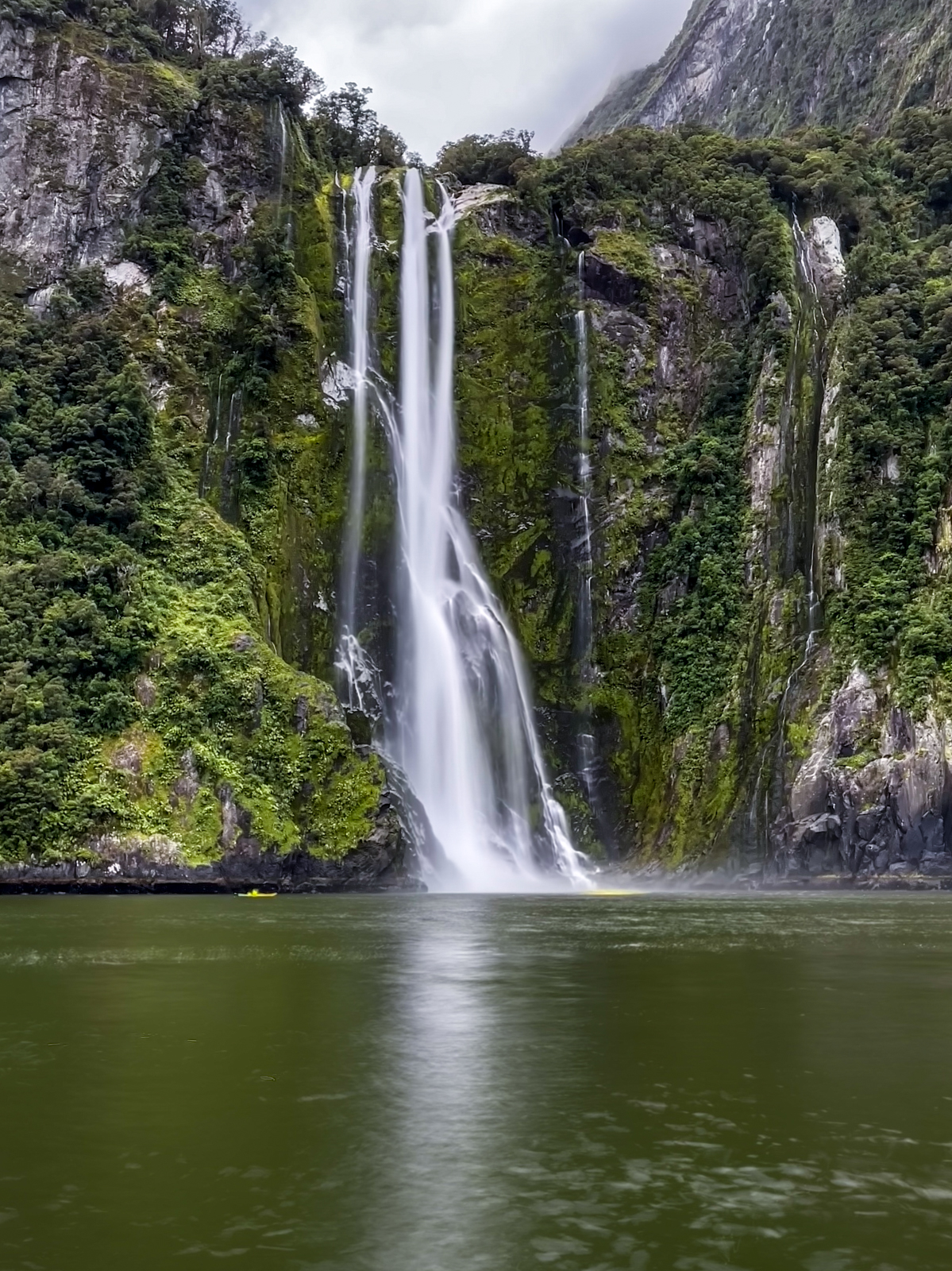
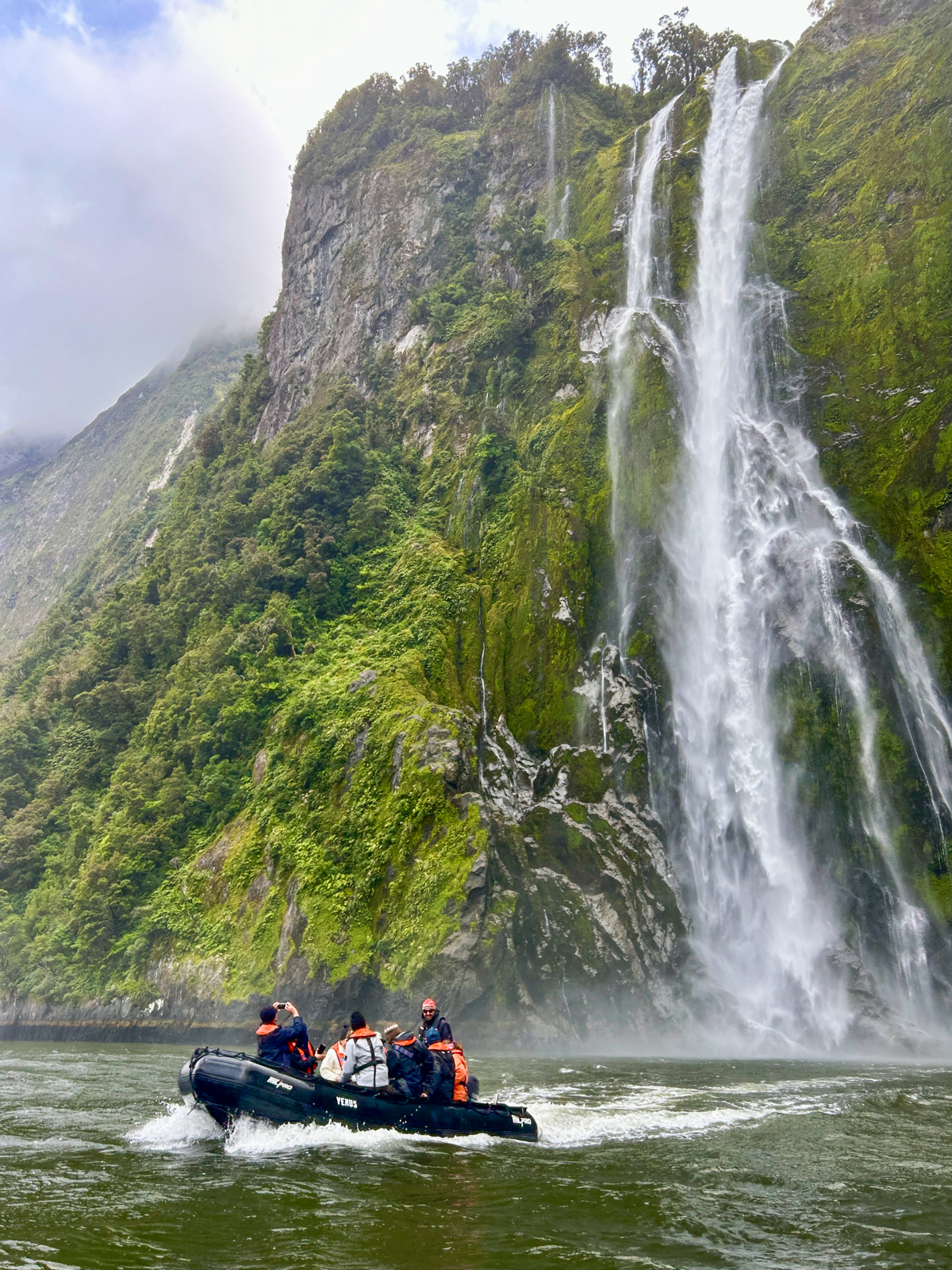
As we stood on the bow of the Orion while the crew navigated the narrow entrance to Milford Sound, we understood why it is known for New Zealand’s most famous tourist destination. Milford Sound is a fiord formed by glaciation over millions of years. It runs 15 kilometers inland from the Tasman Sea. Several long waterfalls run down the steep rock faces that line the fiord including Fairy Falls, and Bridal Veil Falls. Although the sound can be accessed via road, entering the sound by sea is an unforgettable experience. Known for one of the wettest places in the world with an annual rainfall of 252 inches each year, we visited the sound on a glorious day filled with blue skies and low hanging white clouds. Viewing Milford Sound in all its glory in beautiful weather is truly a spiritual experience. We explored this magnificent place aboard Zodiac boats for several hours.
Anchor Island
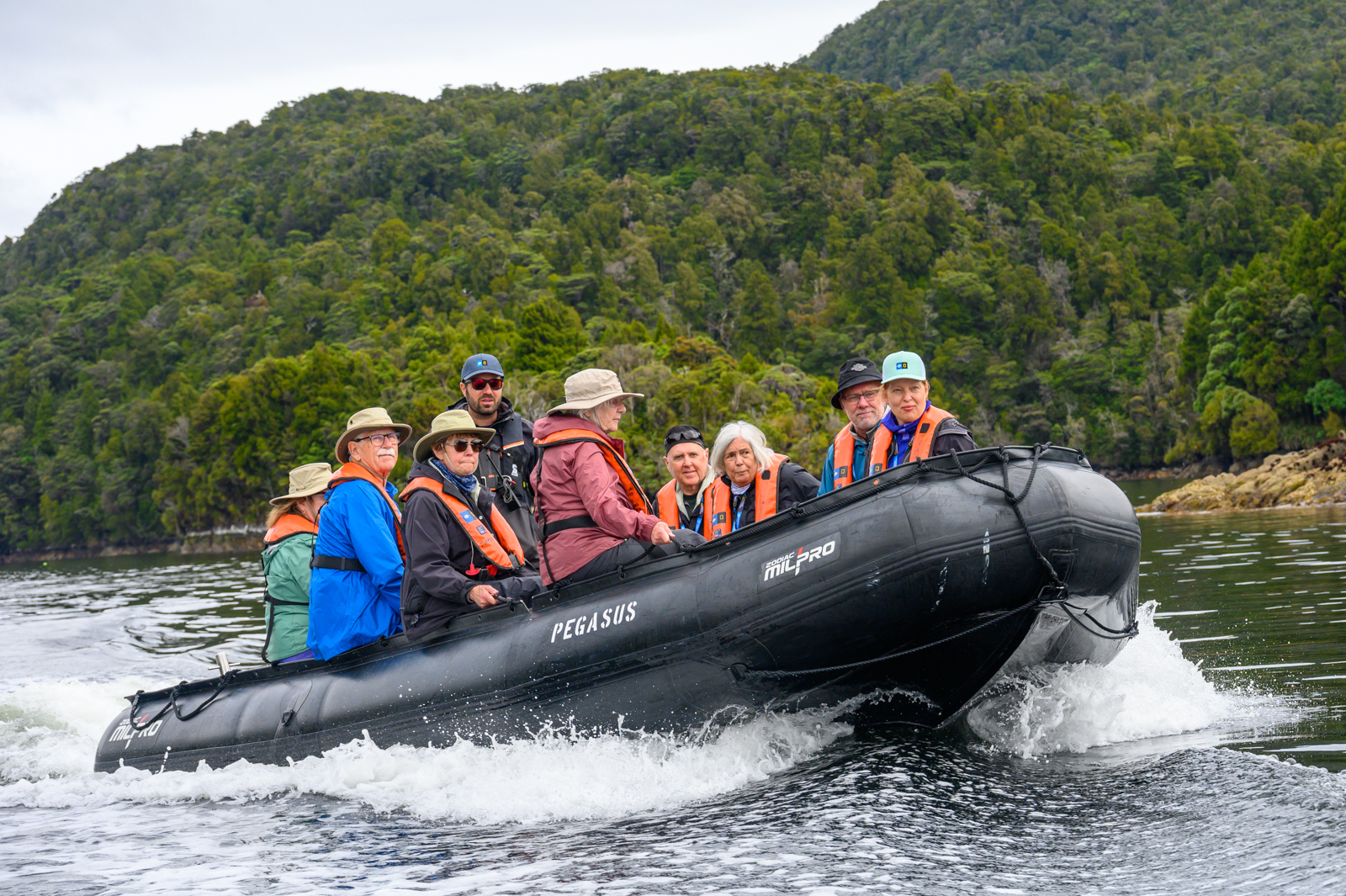
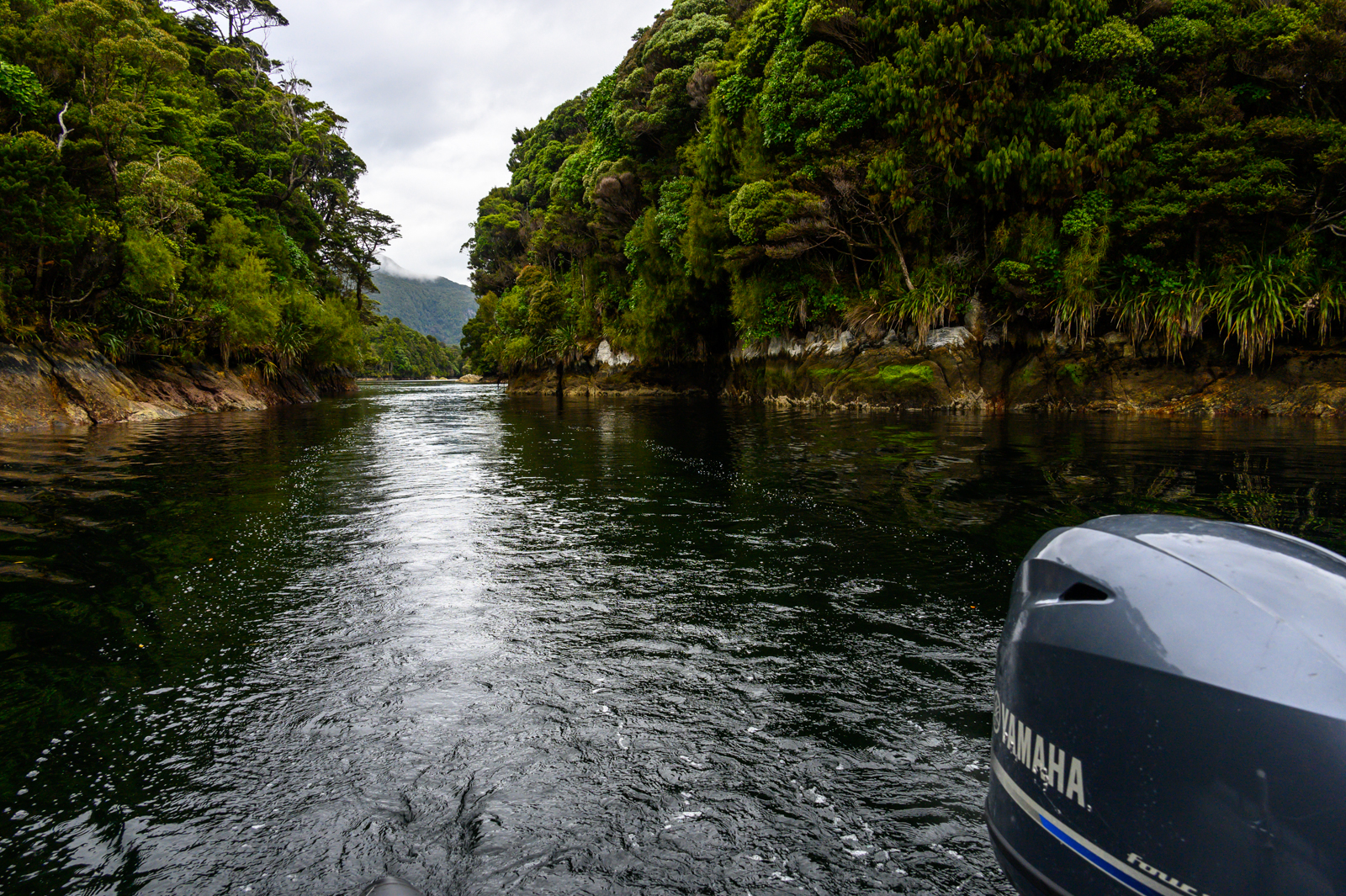
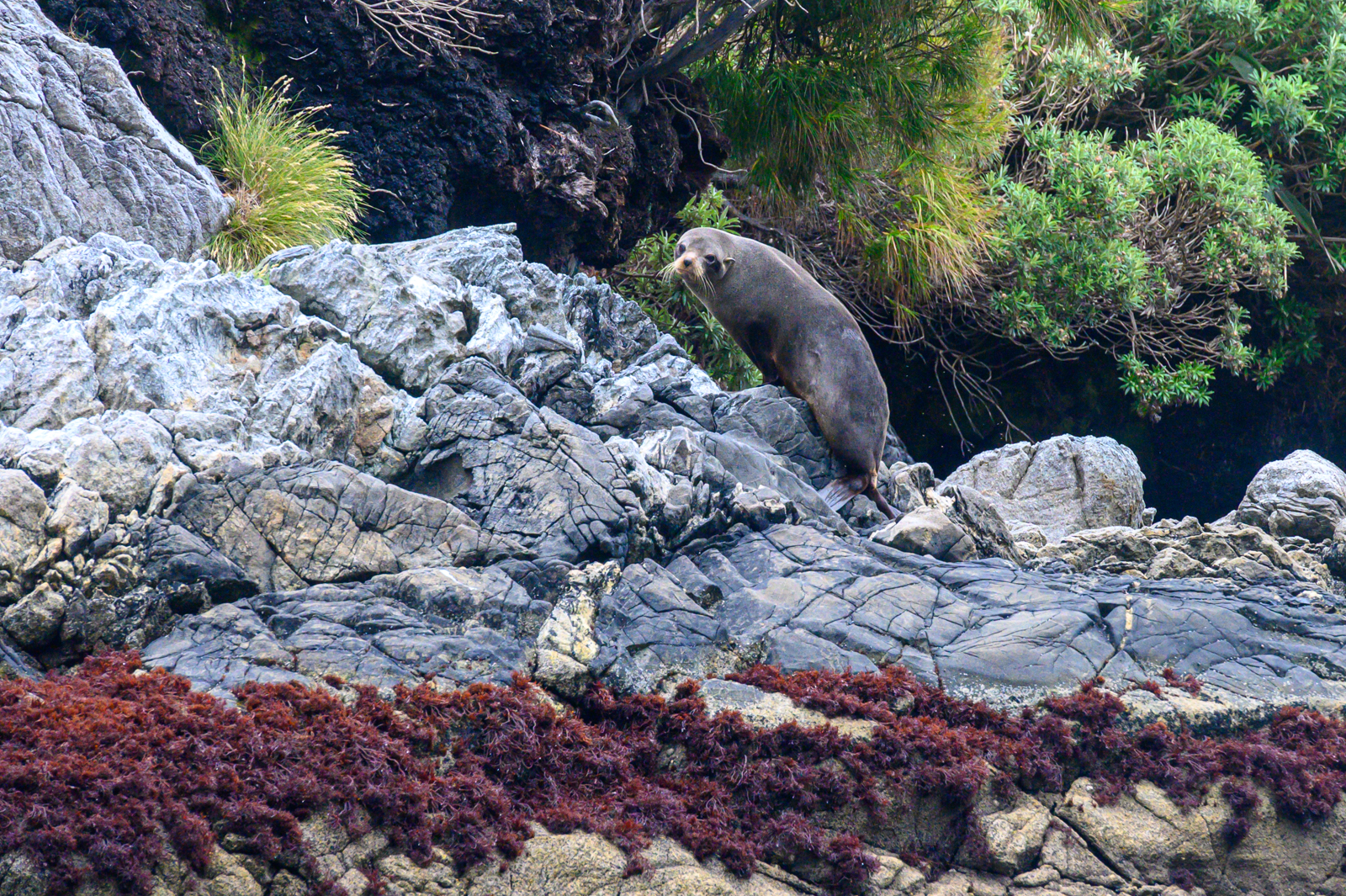
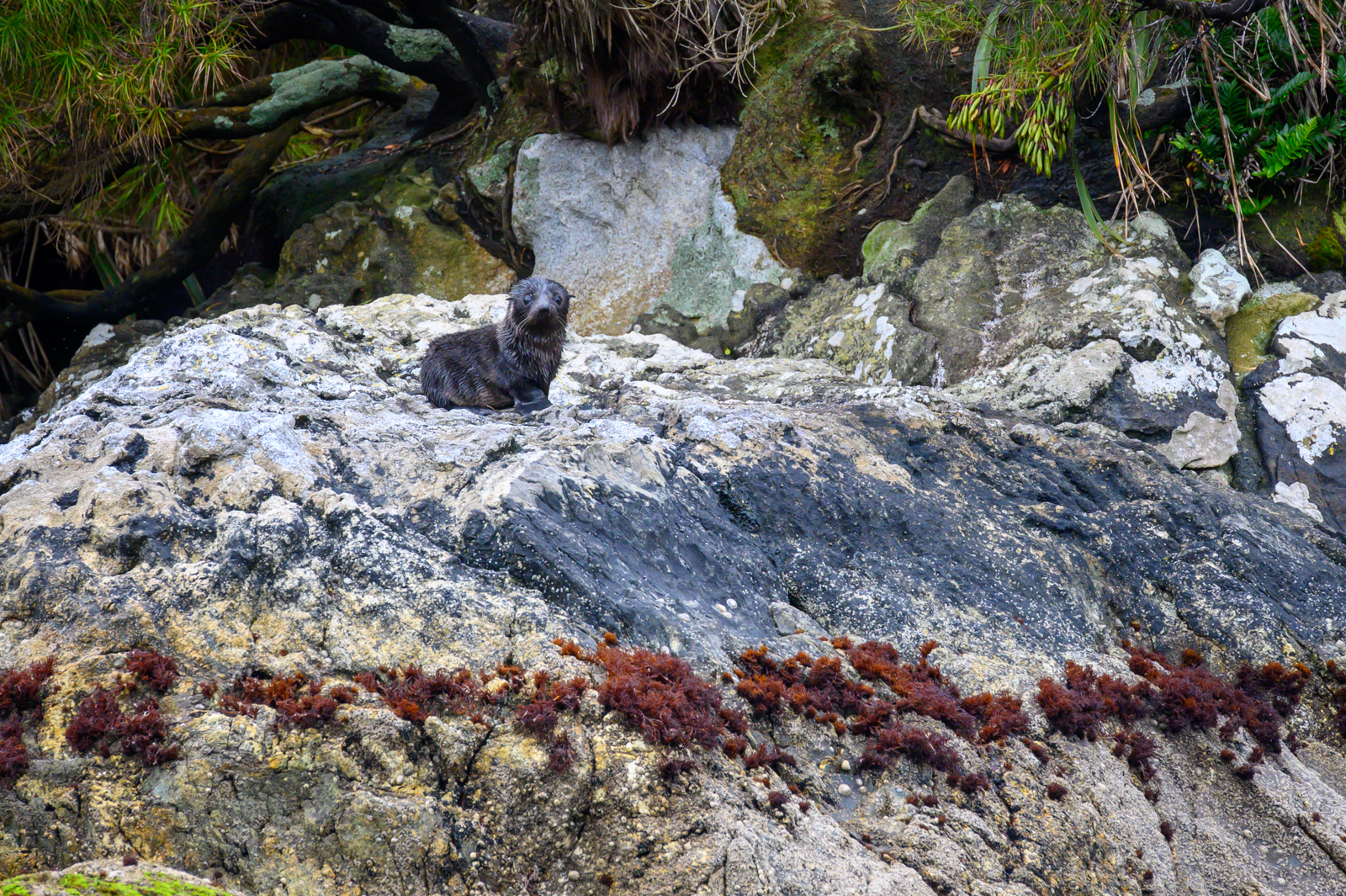
Our next stop on our New Zealand expedition was Anchor Island situated at the end of the South Island in the inlet area of Dusky Sound. The island is one of the predator free islands that is part of the Fiordland National Park. We again explored this wilderness area aboard Zodiac boats for a couple of hours. We saw seals, otters, and stingrays as we quietly motored through the small channels around the Island.

Ulva Island
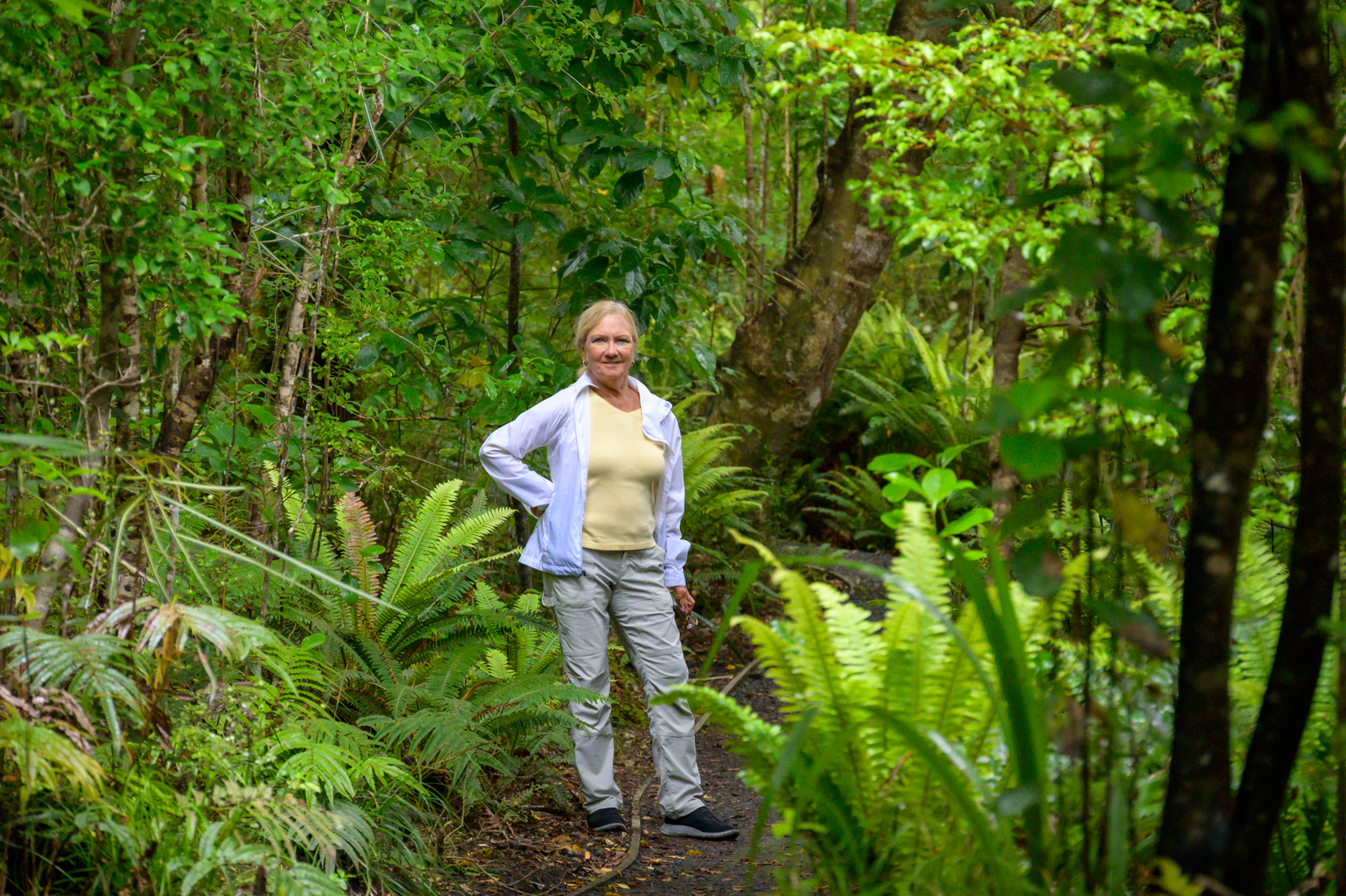
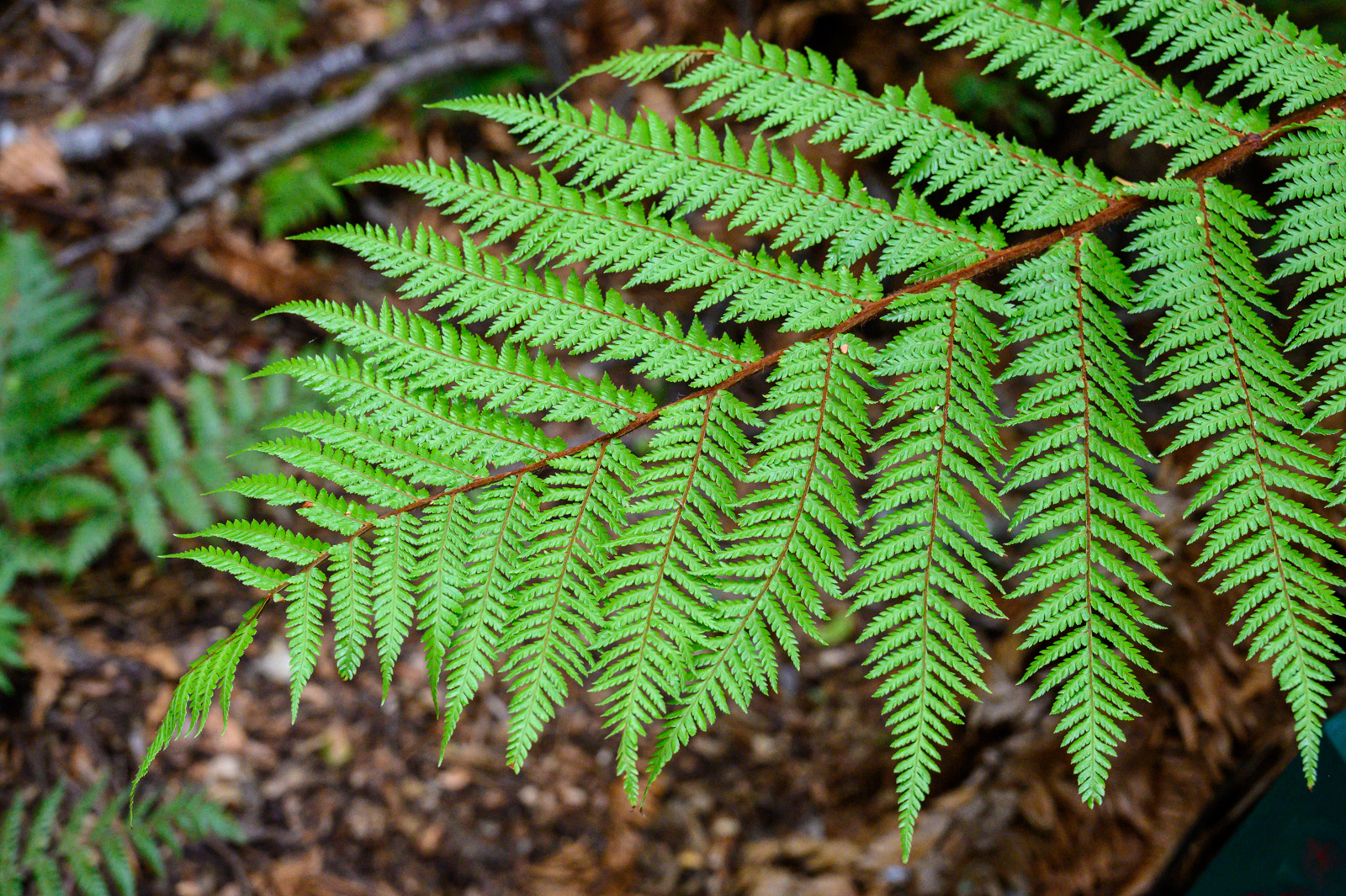
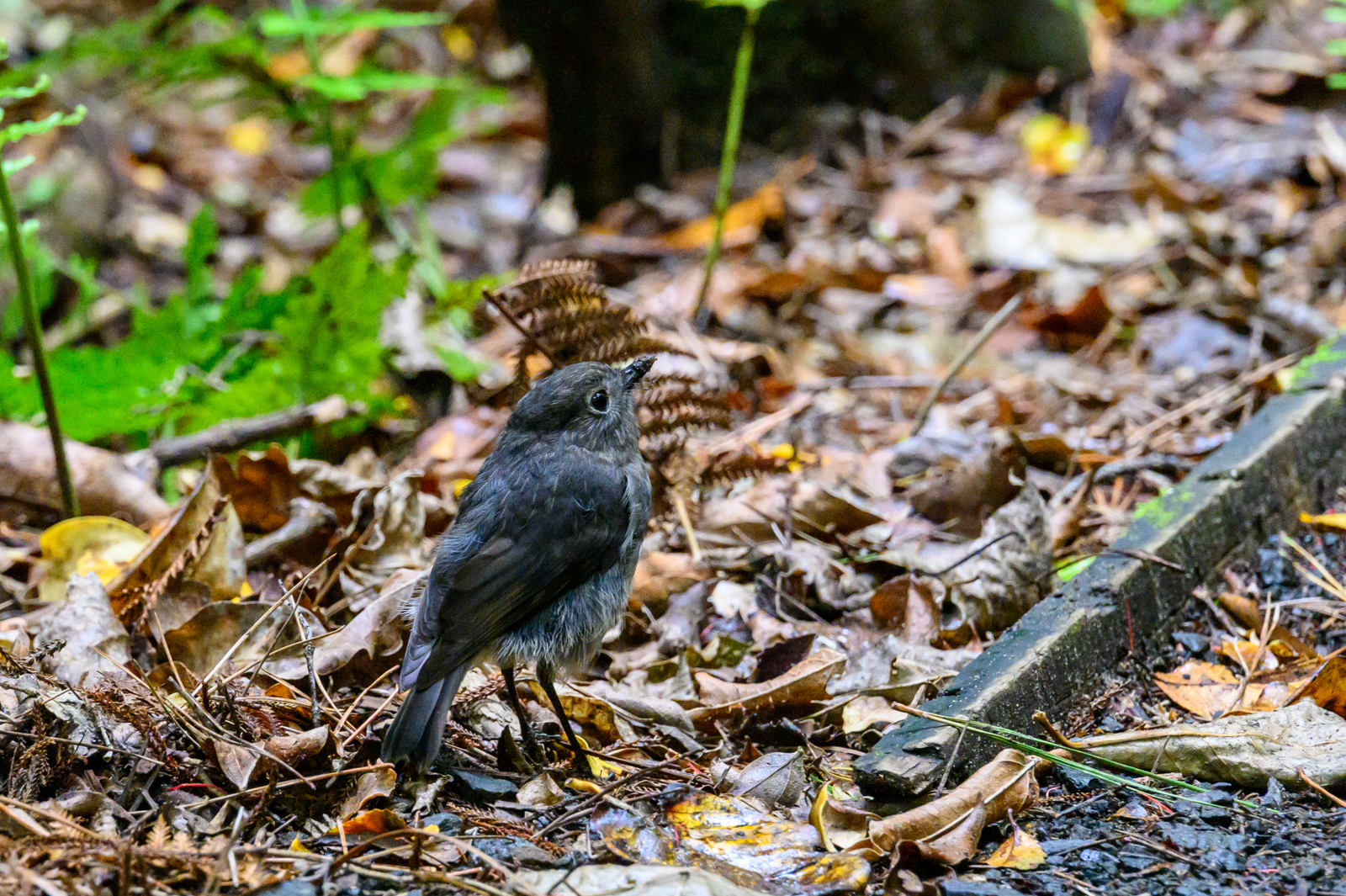
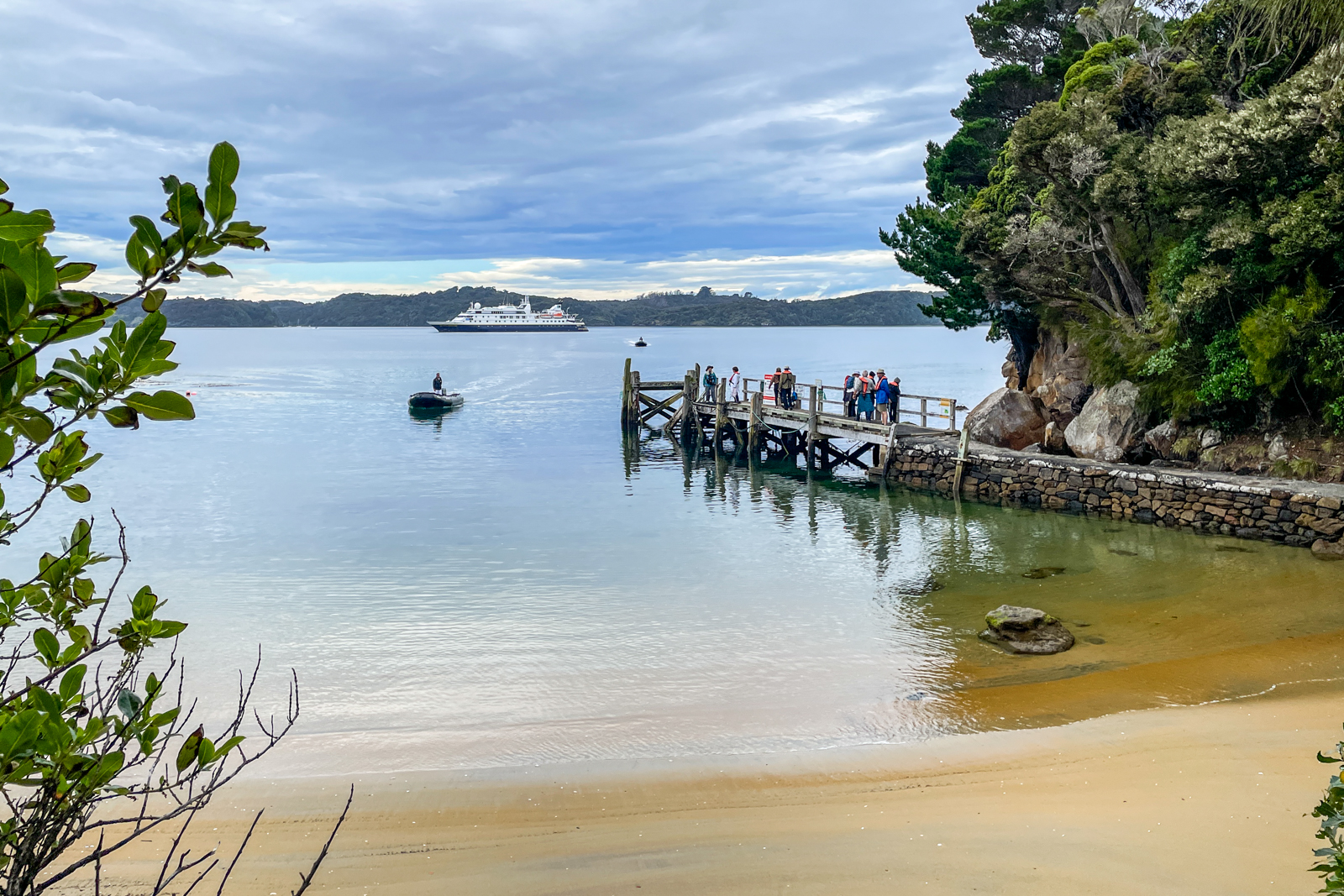
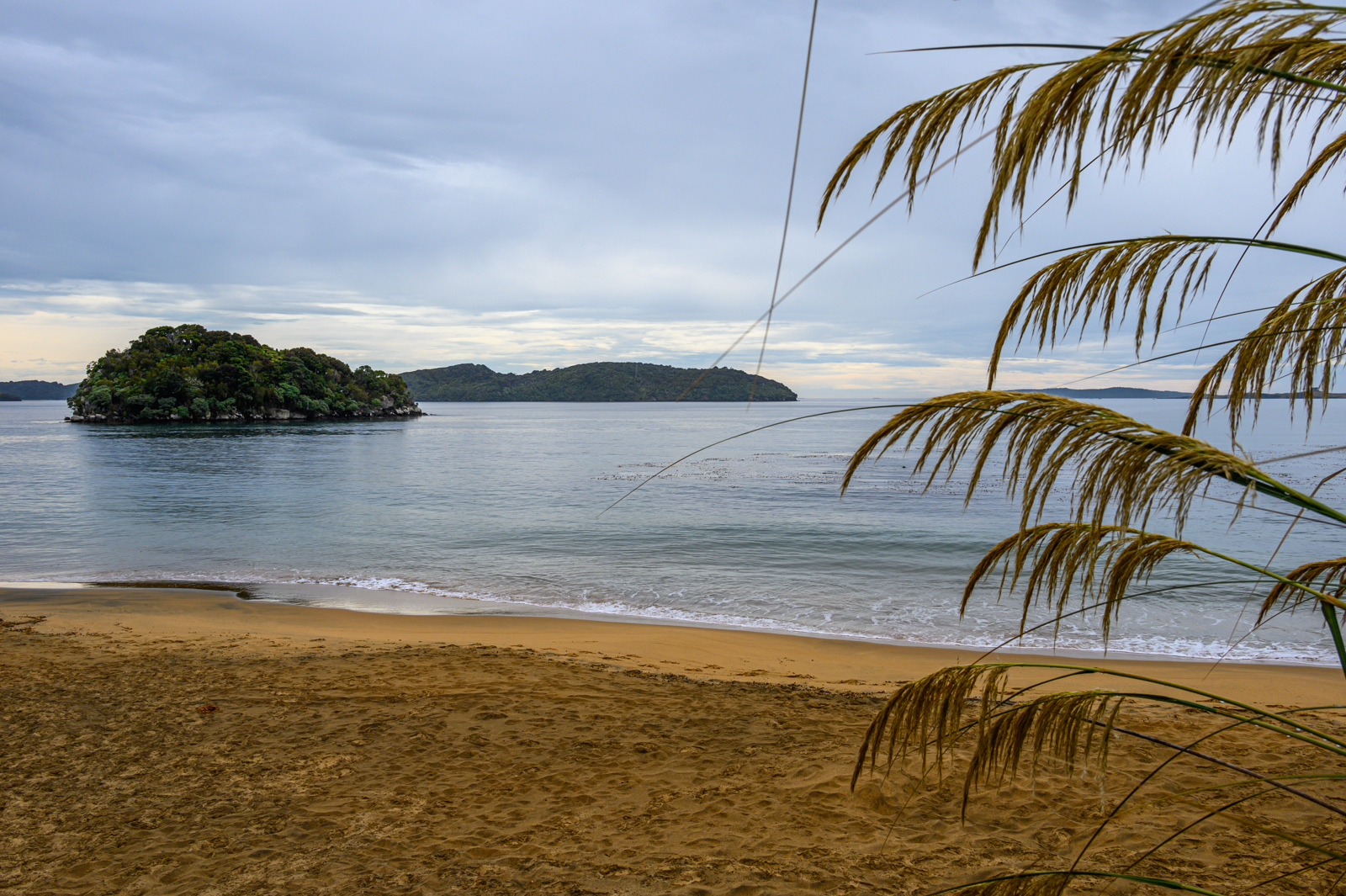
Our next adventure was a magnificent hike along beautiful beaches, and through a rainforest on Ulva Island. This small 640 acre is part of Rakiura National Park located in the mouth of the Paterson Inlet on Stewart Island. Stewart Island is the Southernmost Island off New Zealand’s South Island and is largely made up of the National Park.

Queenstown
Our disembarkation port of our National Geographic Expedition was Dunedin, New Zealand. Dunedin is the second largest city on the central-eastern coast of the South Island. The harbour and hills around Dunedin are remnants of an extinct volcano. After a brief tour of Dunedin, we headed to our next destination, Queenstown, by charter bus.
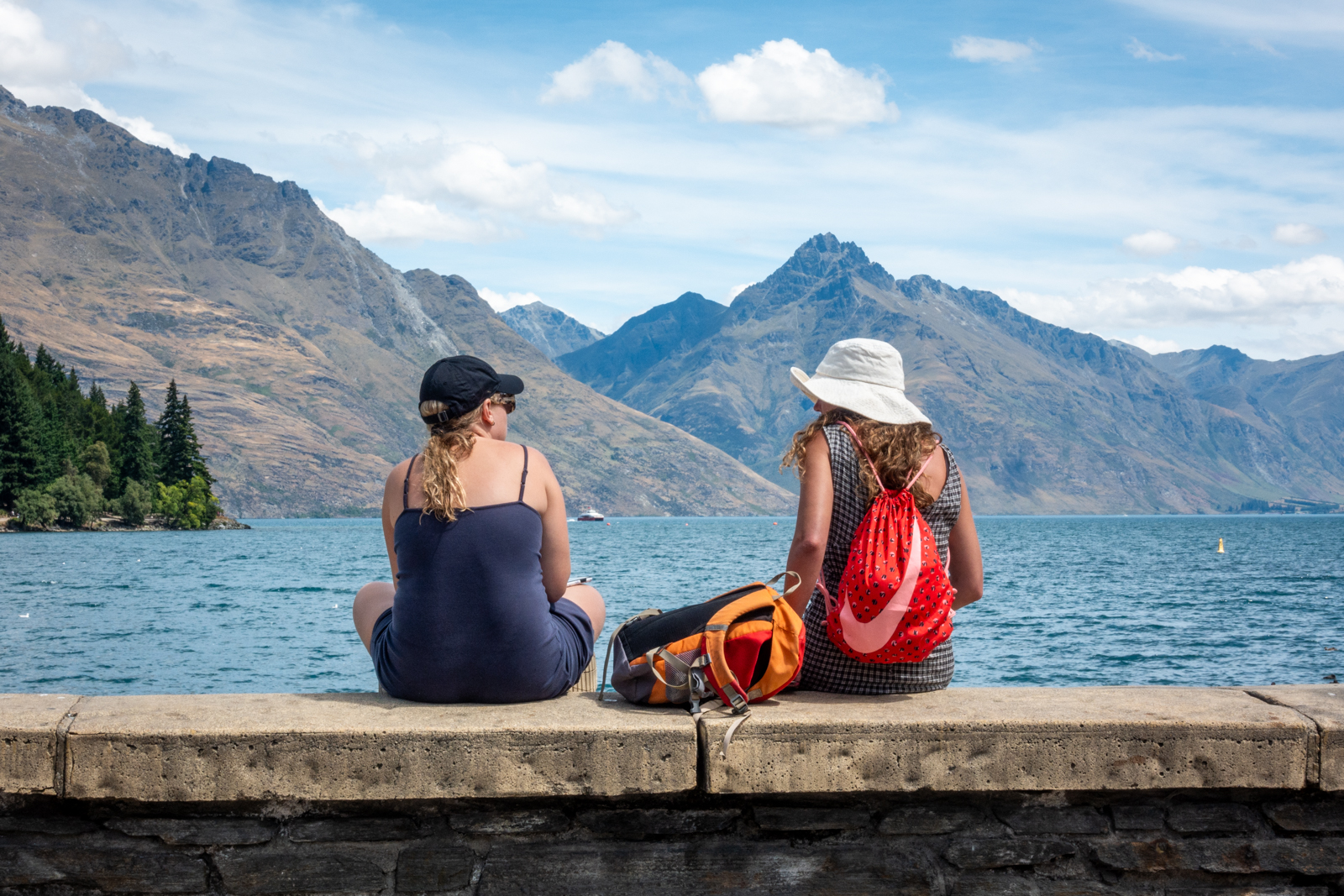
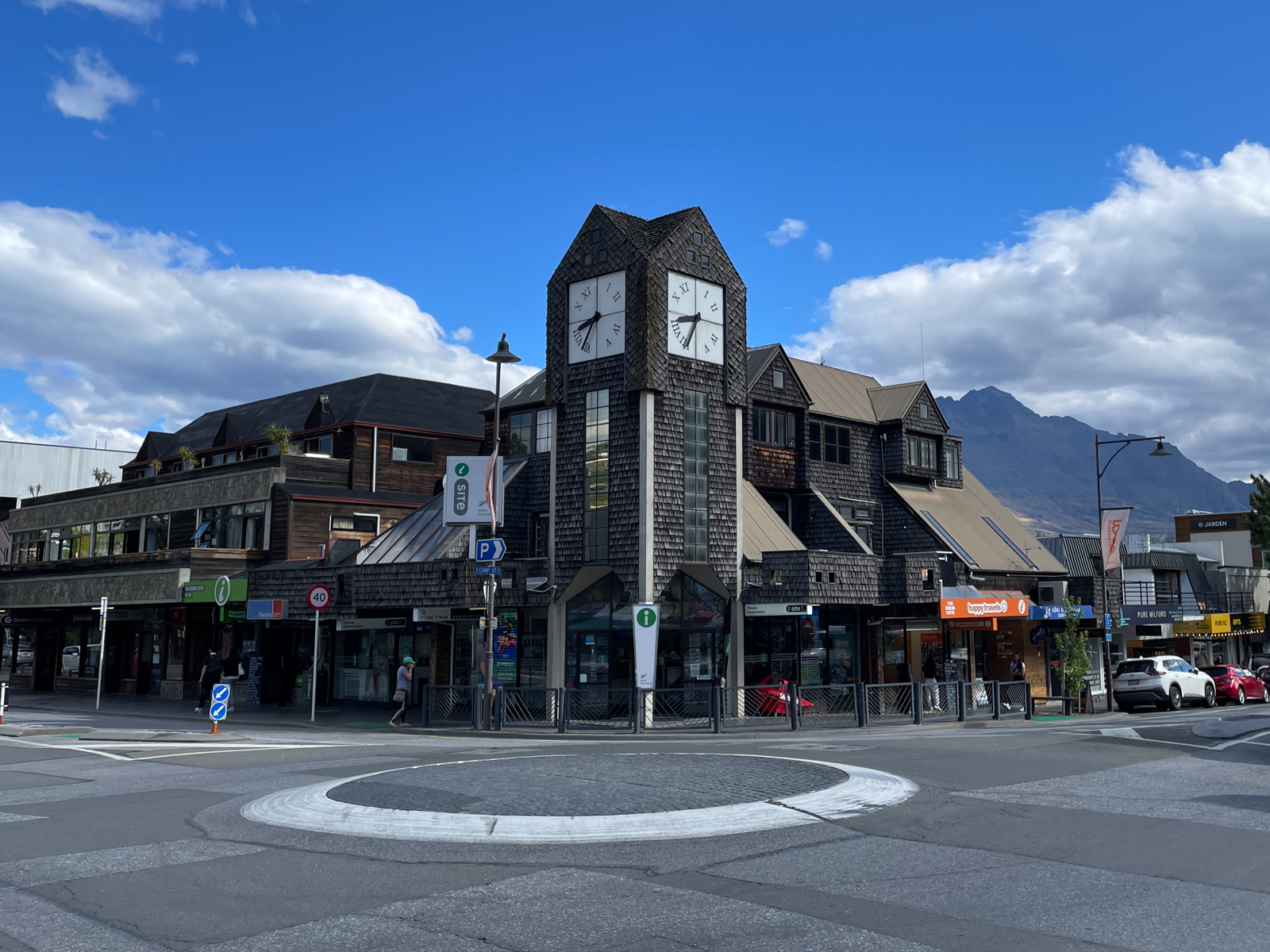
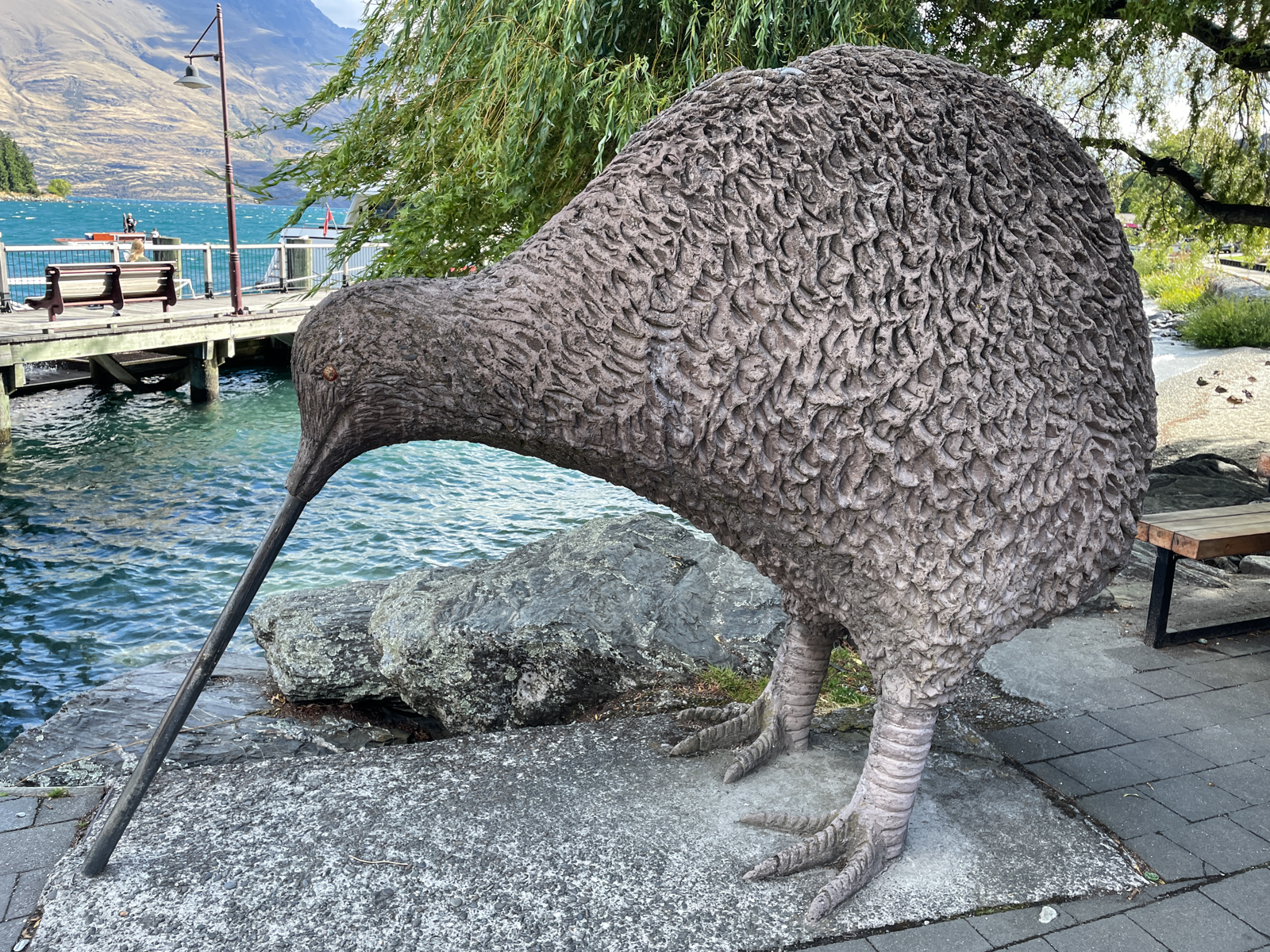
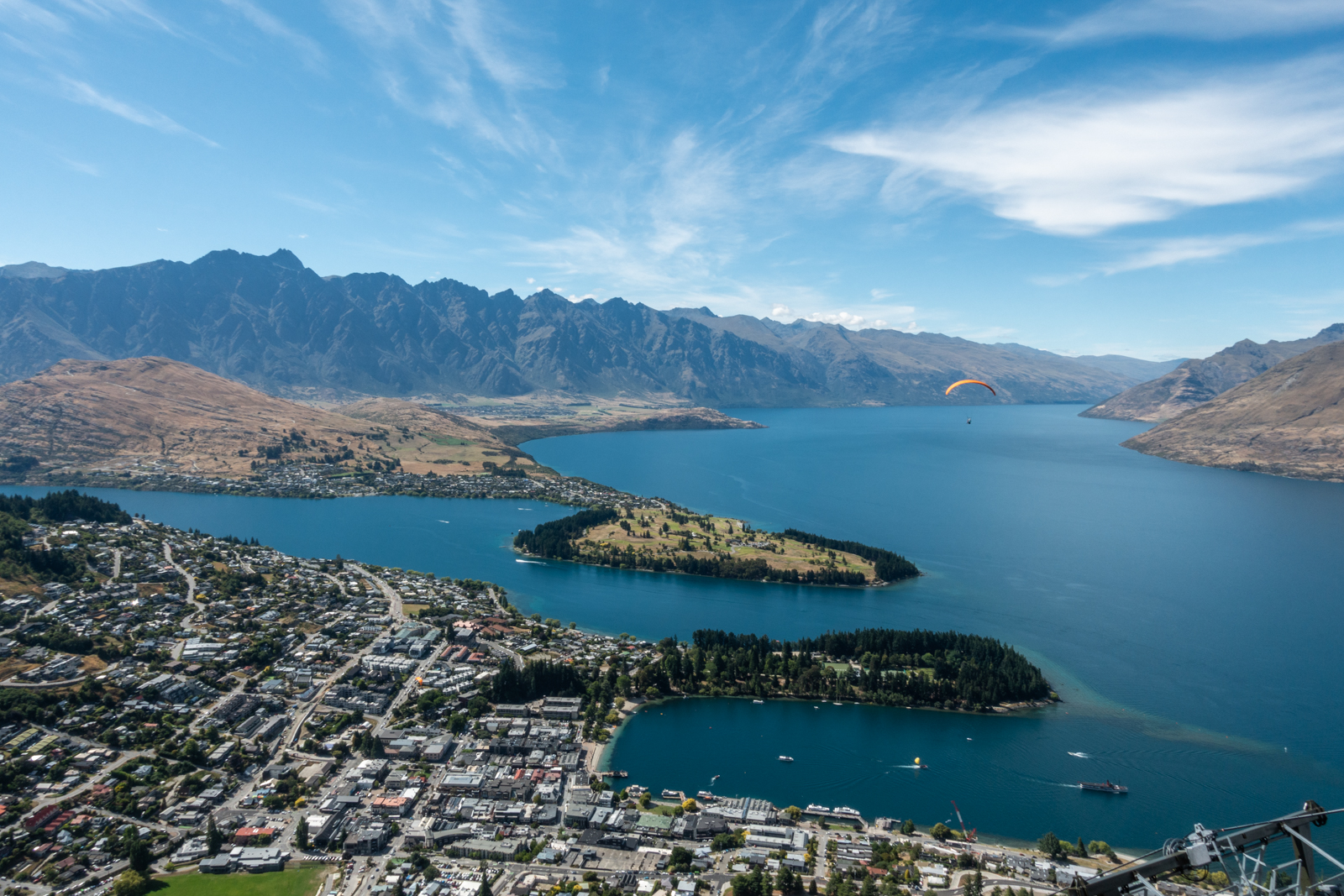
Queenstown is a resort town popular with tourists and locals alike. The town is located on the northwestern edge of Lake Wakatipu, a long thin lake formed by glacial processes. The city setting offers magnificent views of nearby mountains as well as the beautiful lake. While in Queenstown, a must do activity is riding the Skyway Gondola up Bob’s Peak for a birds-eye view of Lake Wakatipu and city.


Christchurch
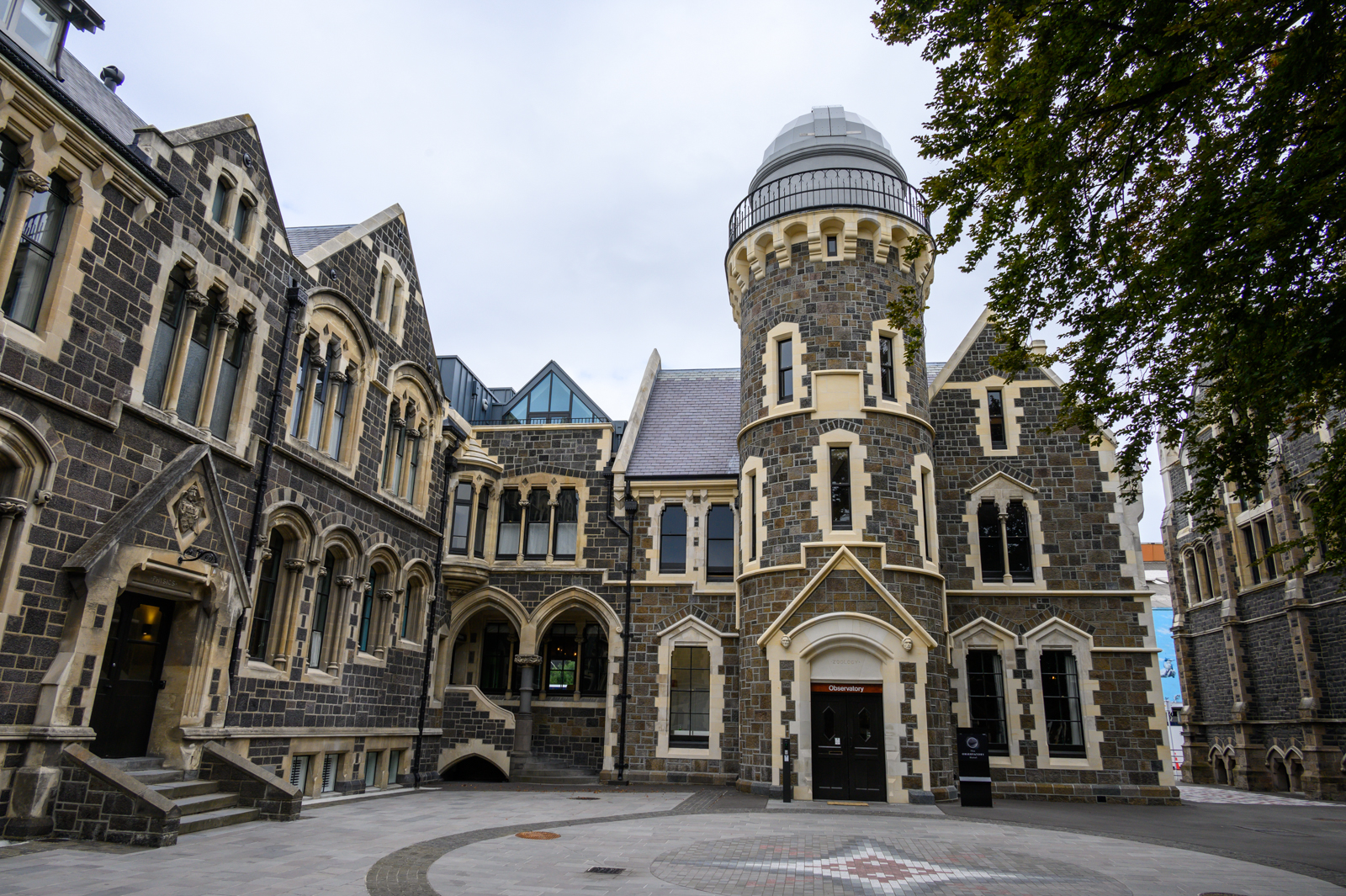
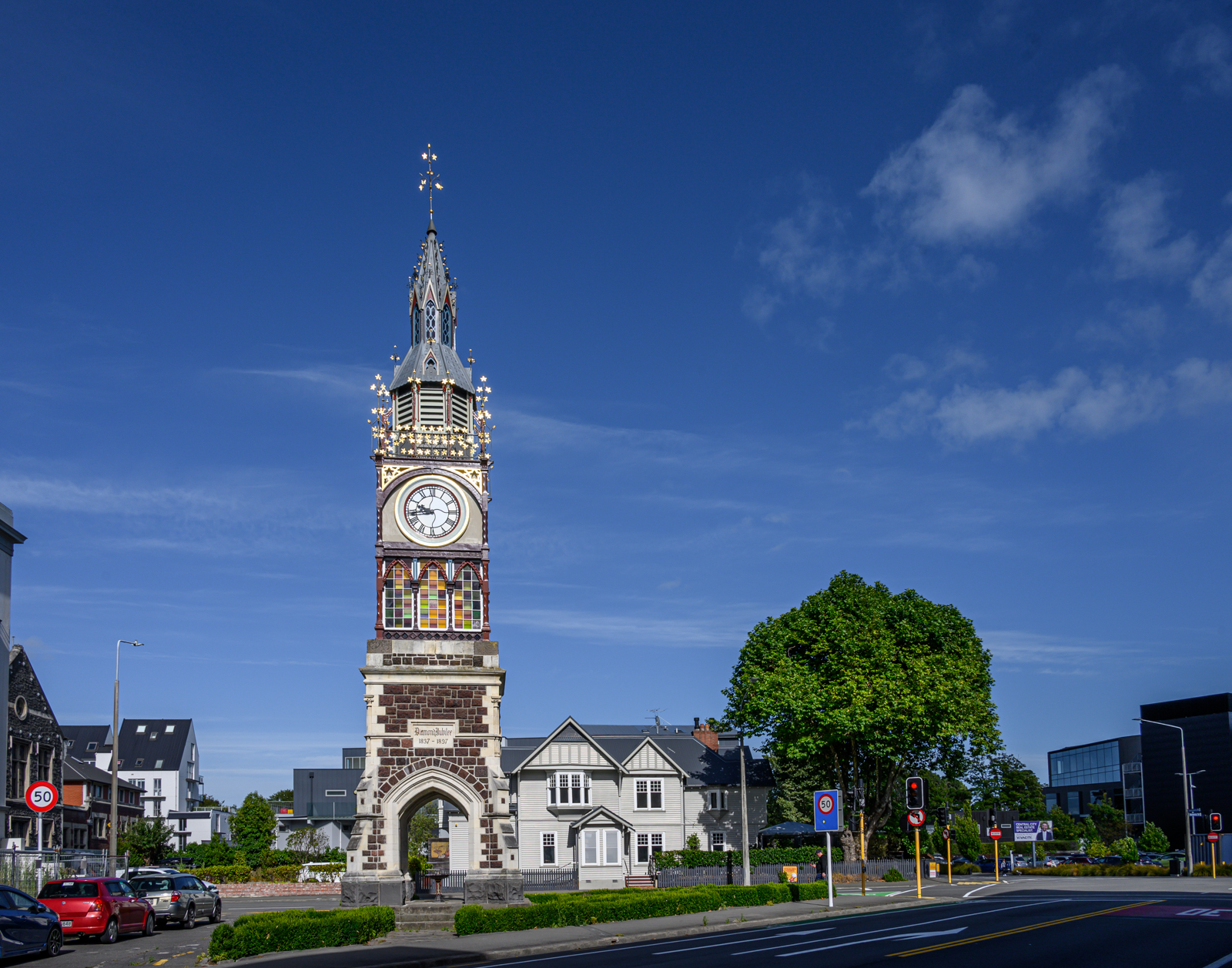
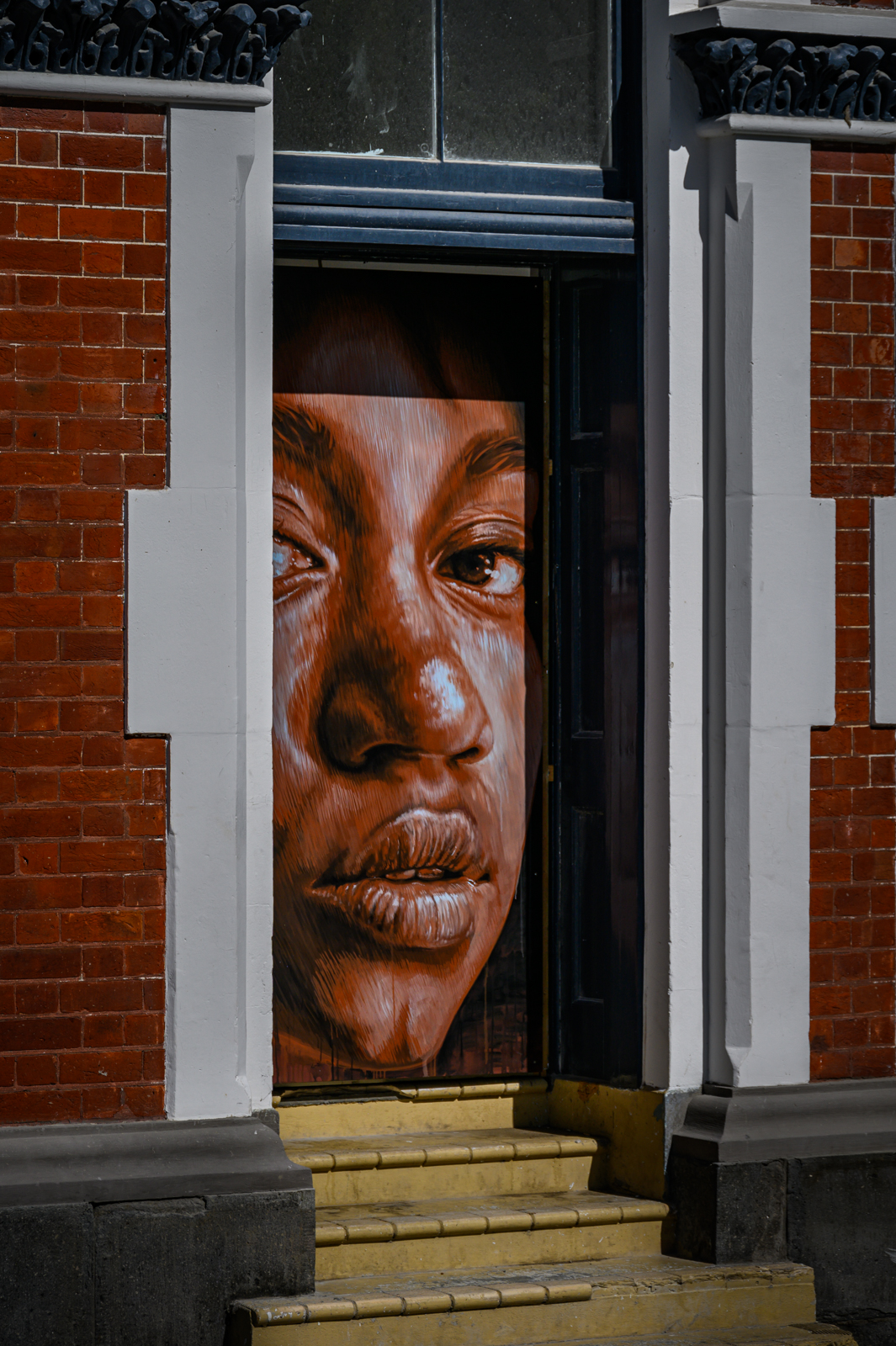
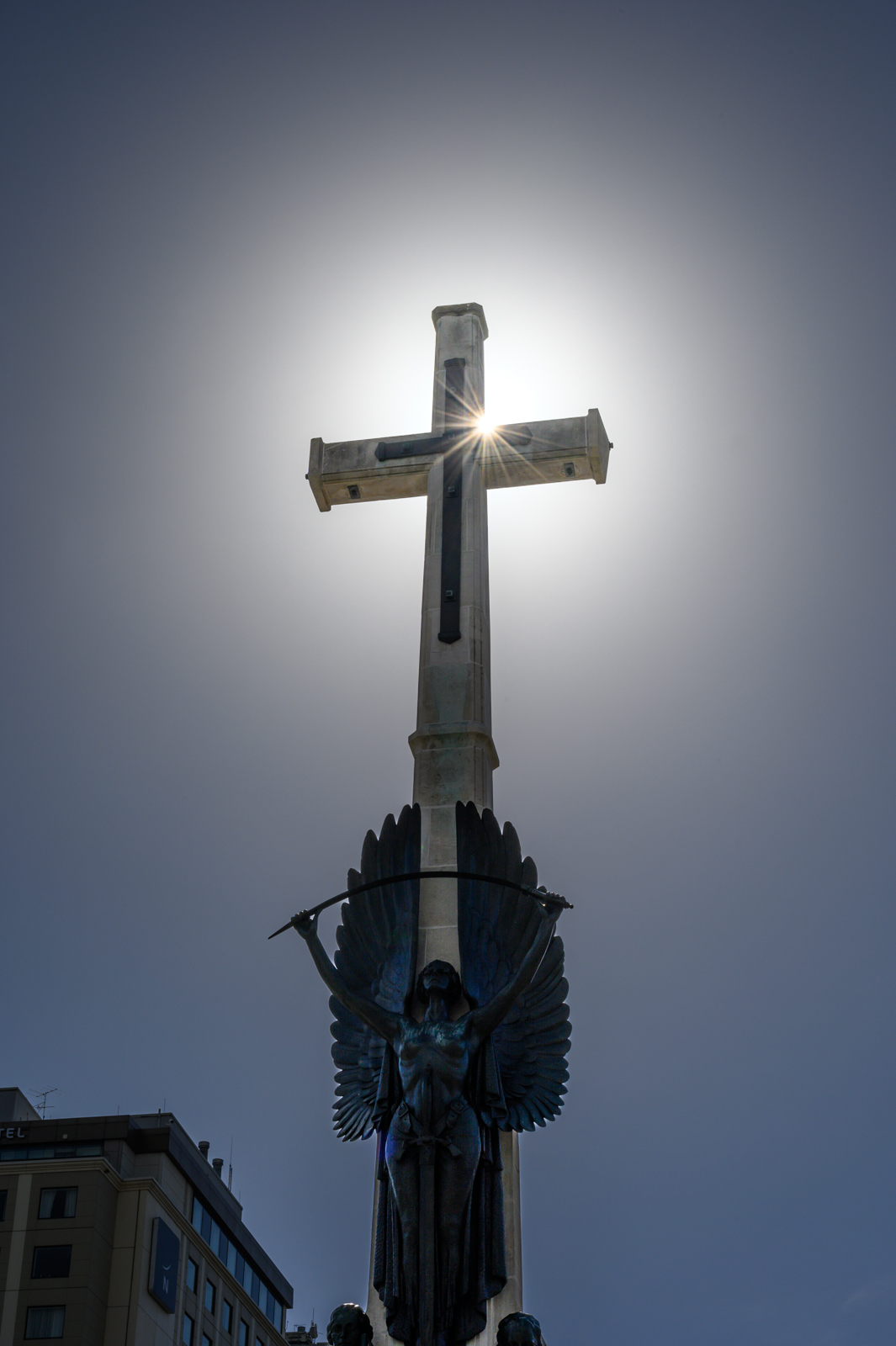
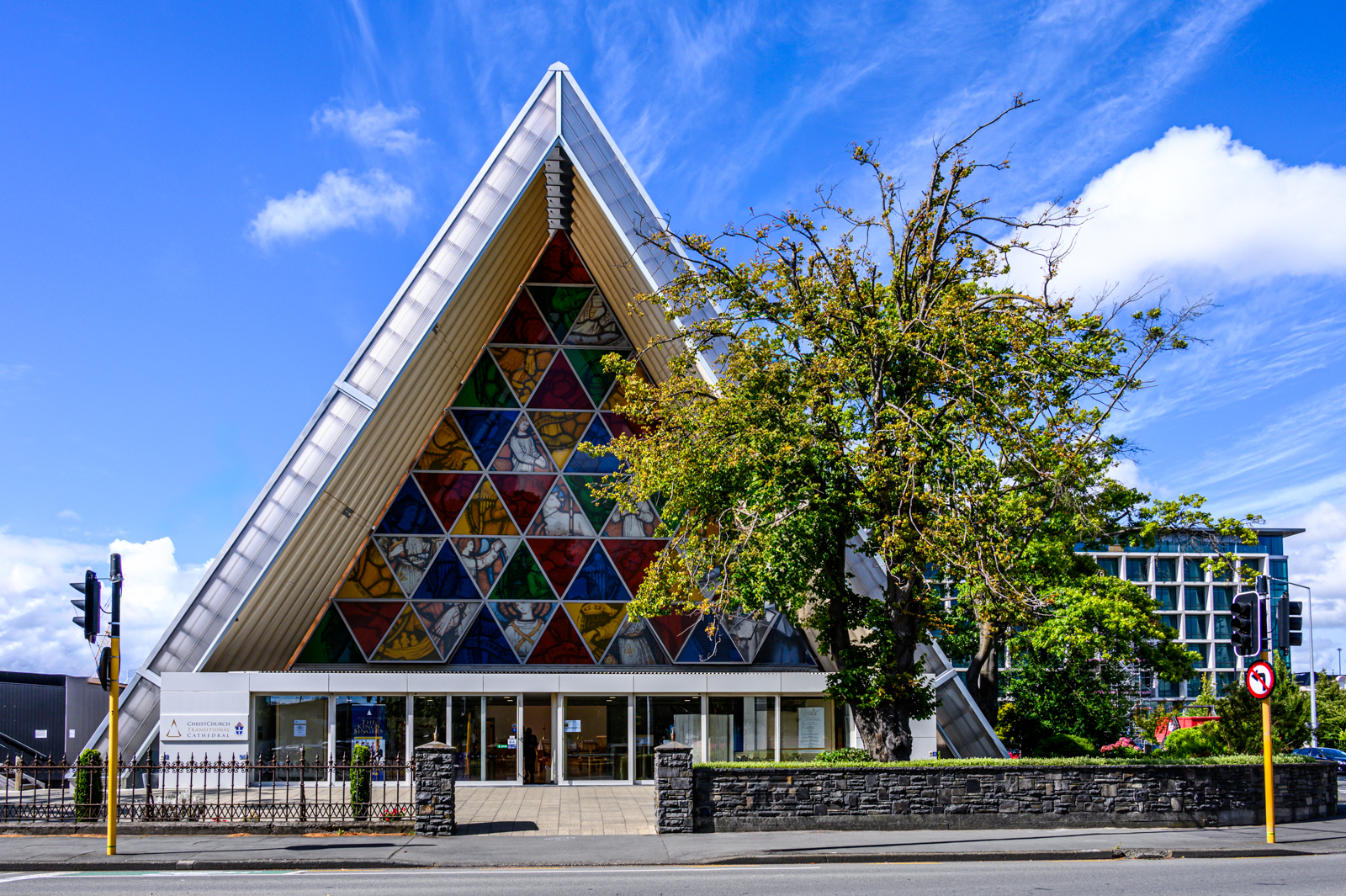
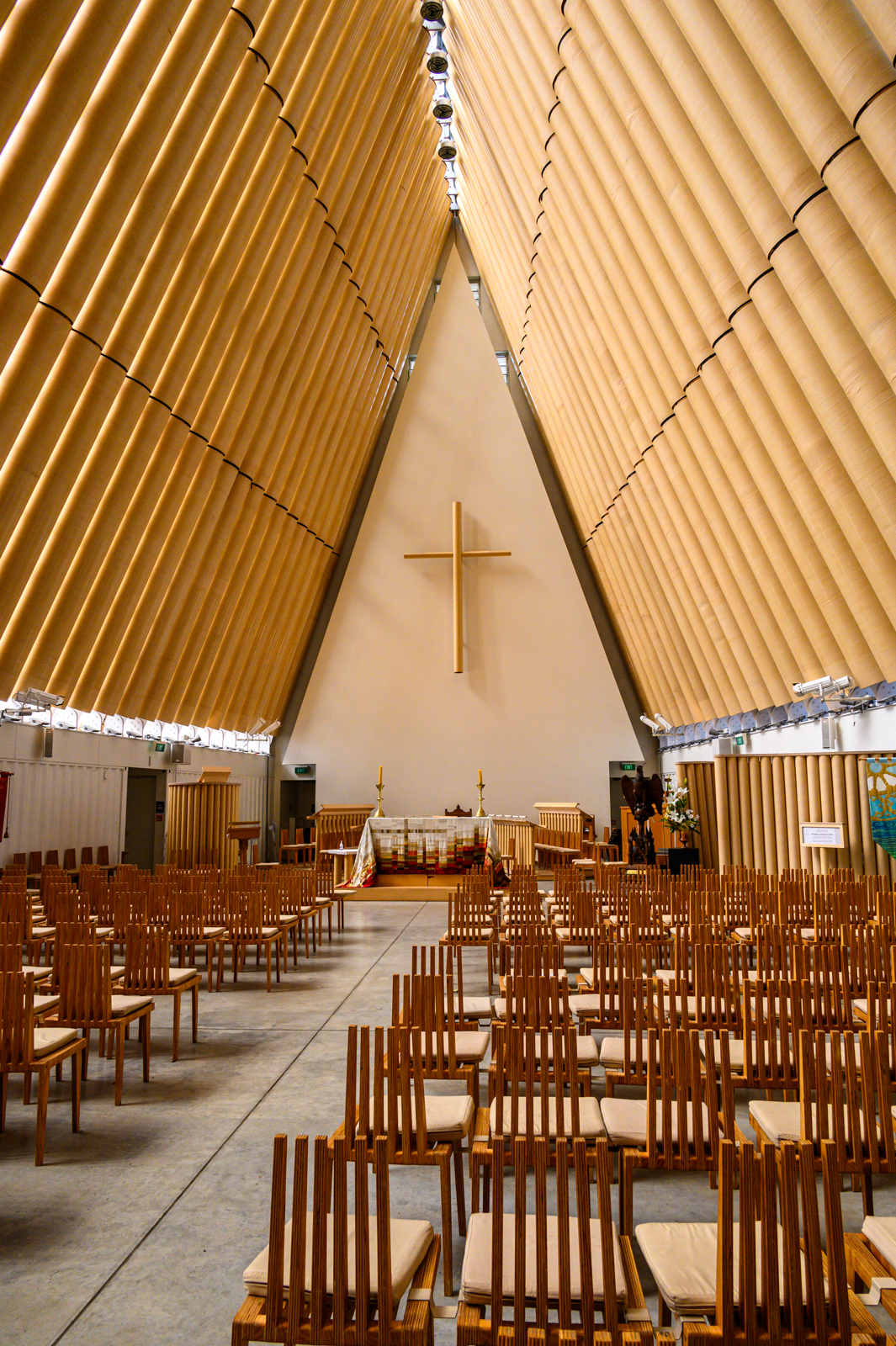
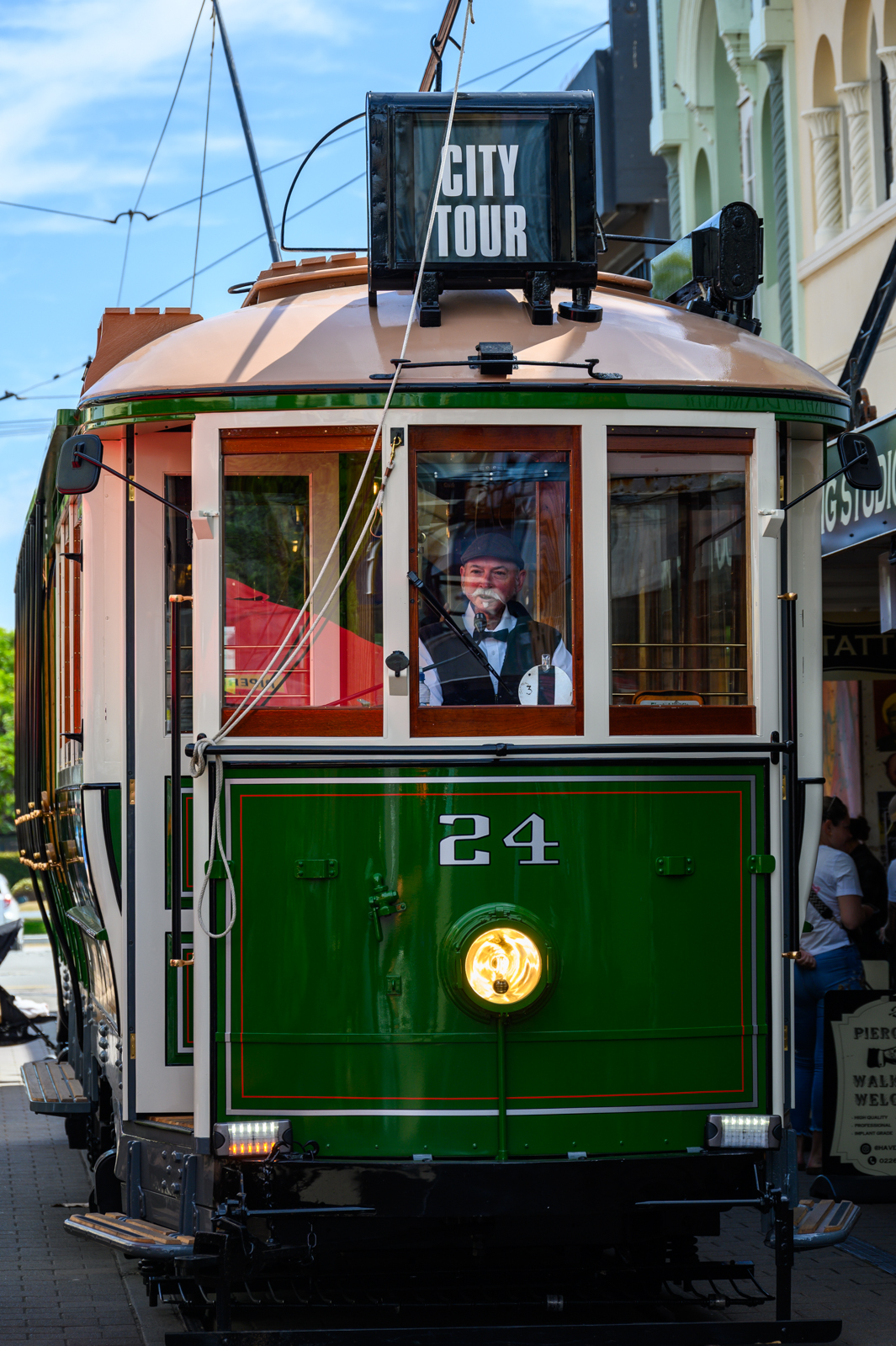
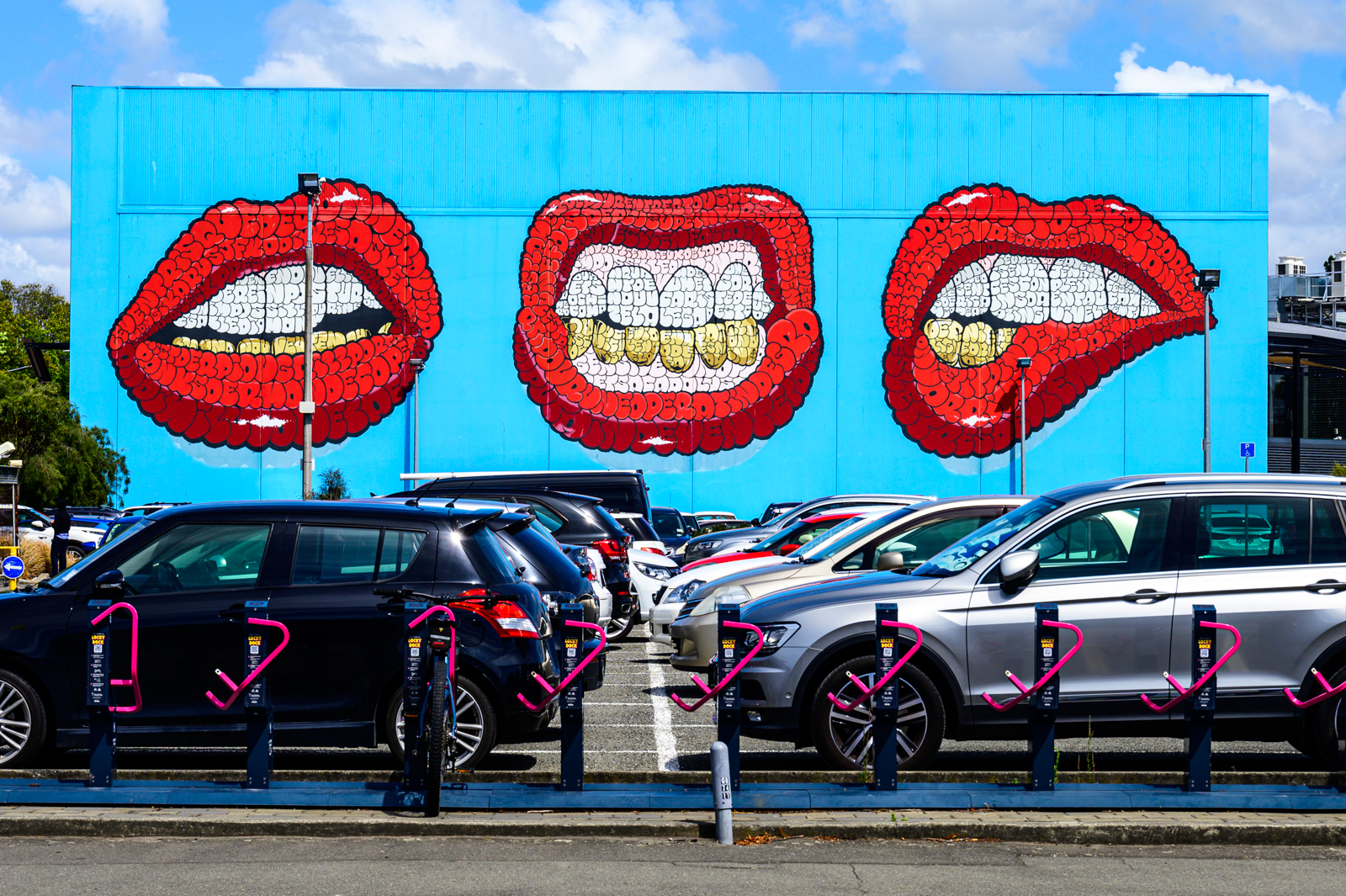
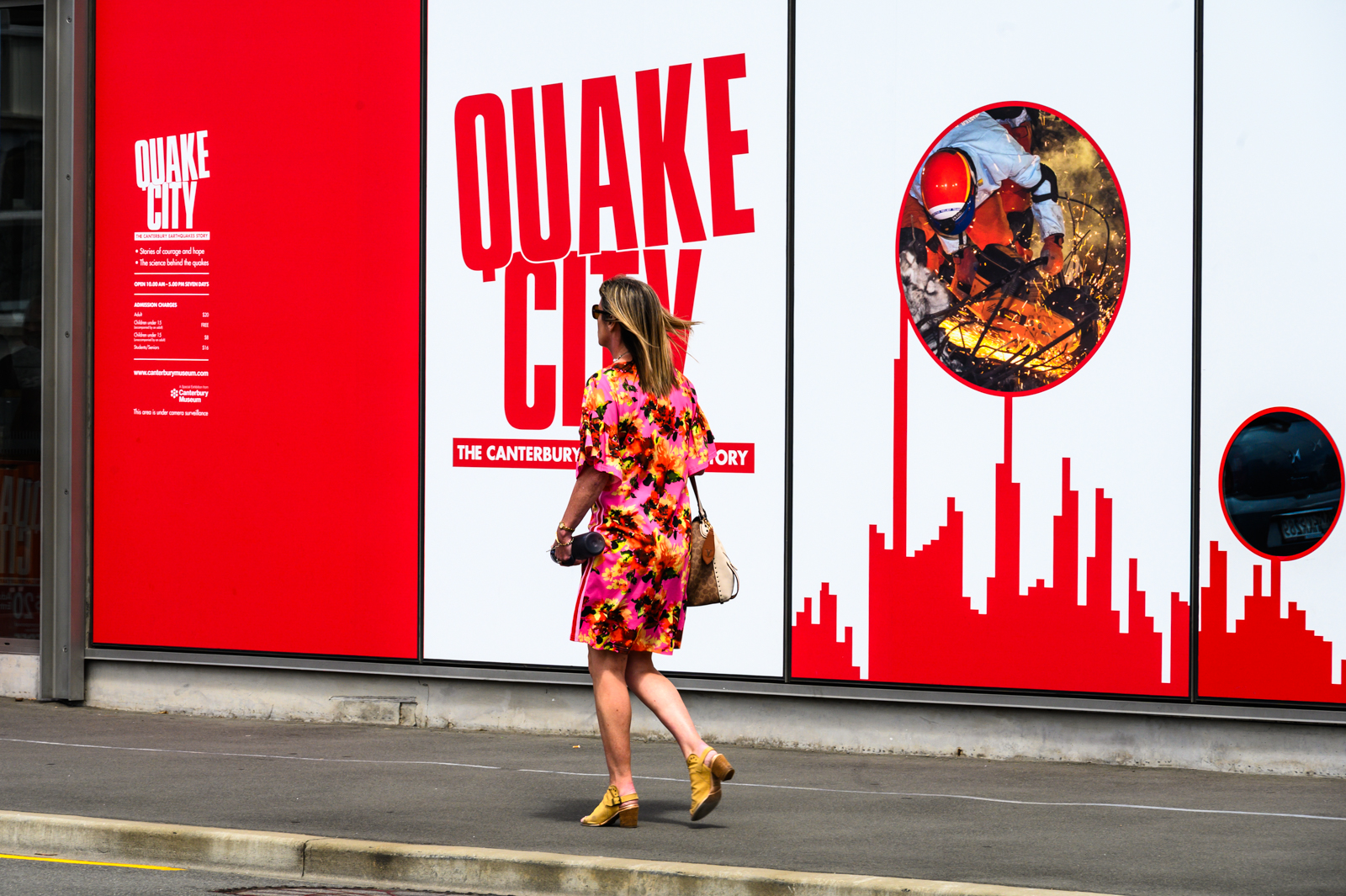
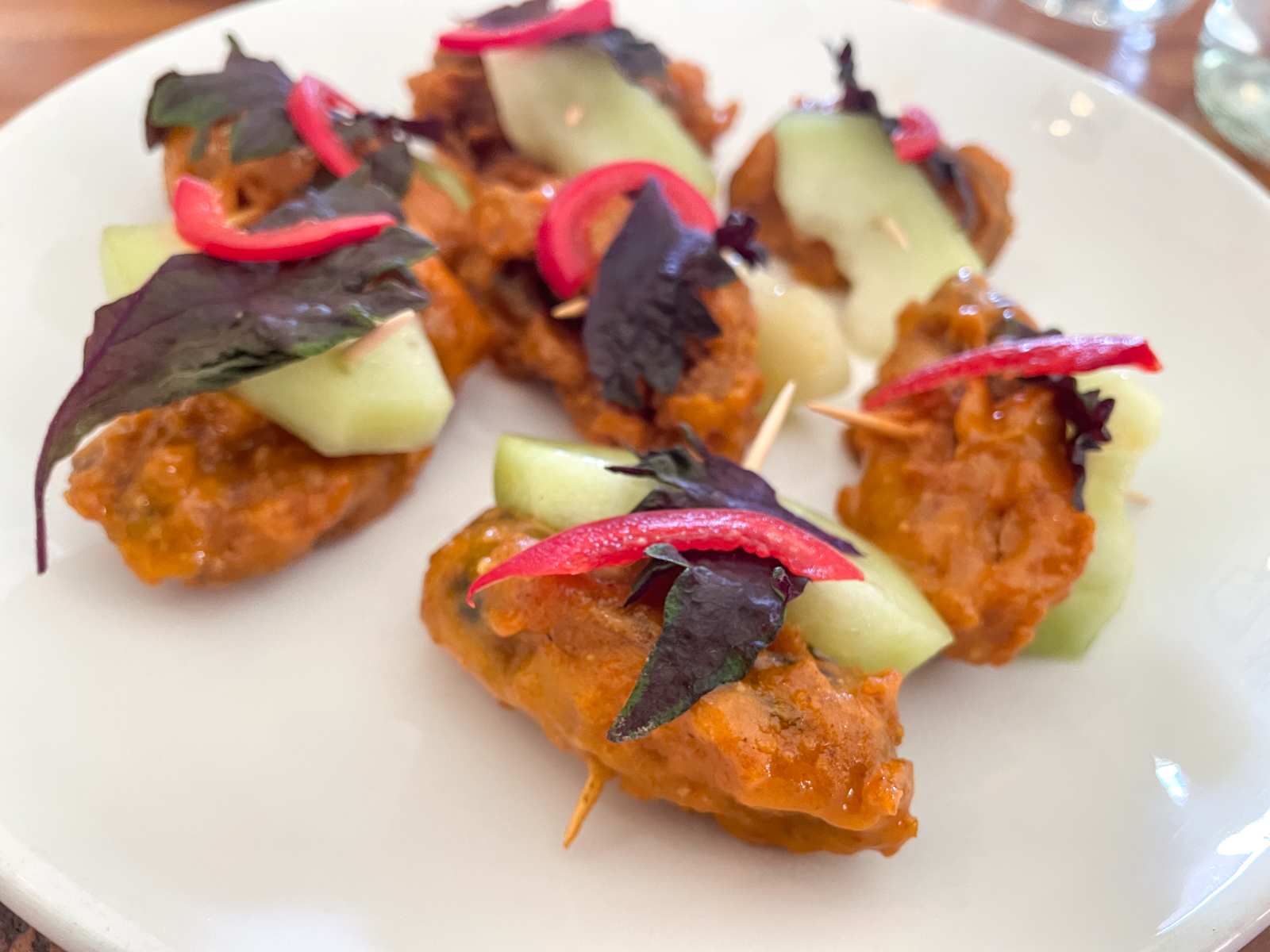
After a short local plane ride, we arrived in our last destination on our New Zealand adventure. . . Christchurch, the largest city on the South Island located near the center of the east coast. Christchurch is a beautiful city to visit, and a great place to sample local seafood and many different fusion cuisines in small local restaurants. Although largely recovered from a series of major earthquakes in September 2010, there were a few tourist places of interest that were still rebuilding from the destruction. The principal attraction still closed to the public was the Christchurch Cathedral. However, the temporary church building known as the Cardboard Cathedral is a don’t miss attraction, especially for architecture enthusiasts. This temporary structure meant to last 50 years, is constructed of 24-inch diameter cardboard tubes, timber, glass, and steel with eight shipping containers forming the walls.

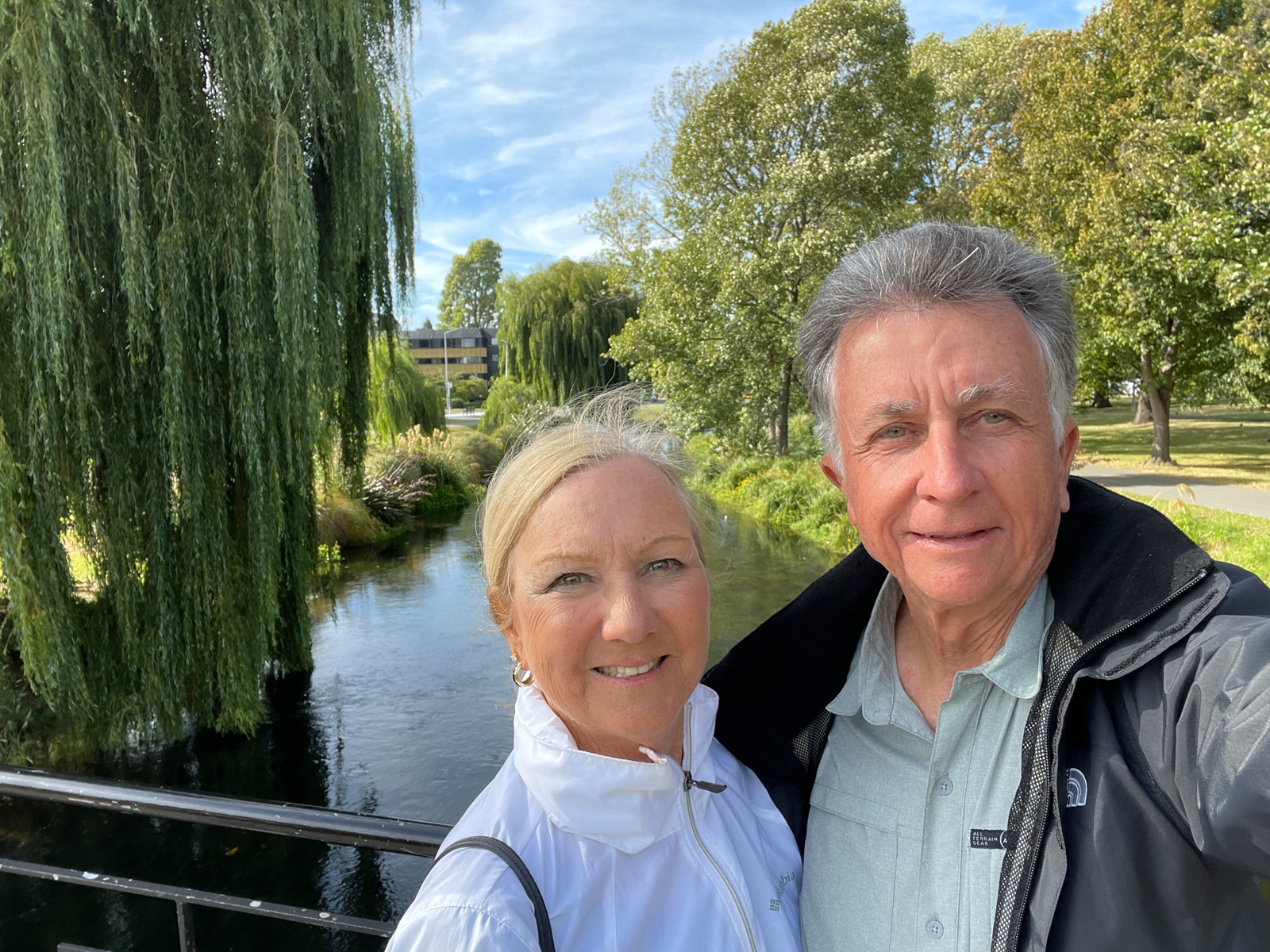
As the saying goes. . . we have not been everywhere, but it is on our list. New Zealand has been on our list for quite awhile, and now it is off our destination bucket list. However, we quickly added it to our “got to go back” list. We have seen many New Zealand sights, but we have not explored many parts of this magnificent island country. It is most certainly one of those places where your first encounter is only the beginning. New Zealand is calling us back.
Wherever your travels take you, may only the most remarkable experiences (and photos) always be yours.
Chuck
 Chuck Palmer
Wow! What an amazing trip. Thank you for sharing!
Thanks so much Lauri!
Great photography and description. Enjoyed this post a lot!
Thanks Tom.
Fantastic pictures of a very remarkable trip! Thanks for taking the time to put all of this together.
Thanks Mark.
I don’t get out much any more. Thanks for taking on your trip, Crazy good.
Ed
We miss seeing you and your photos Ed. Thanks for your comments.
Jolly good travelogue, Chuck. Your excellent photos and good commentary make me want to go, but I know I never will. Thanks for taking me there.
By the way, I had lunch with Arnold and Ed just today.
Rob
Thanks Rob. Sounds like a great lunch. Wish I was there.