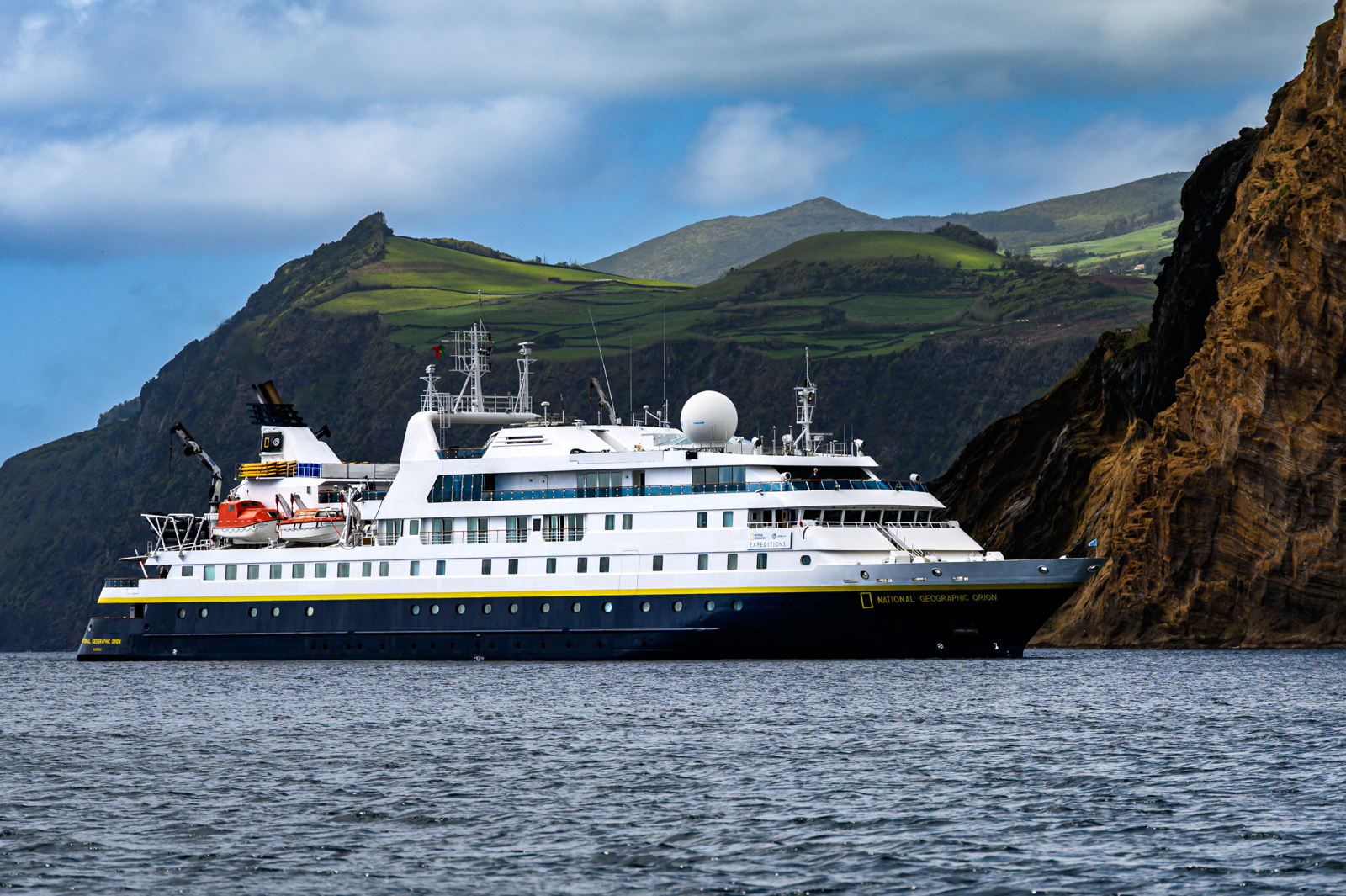
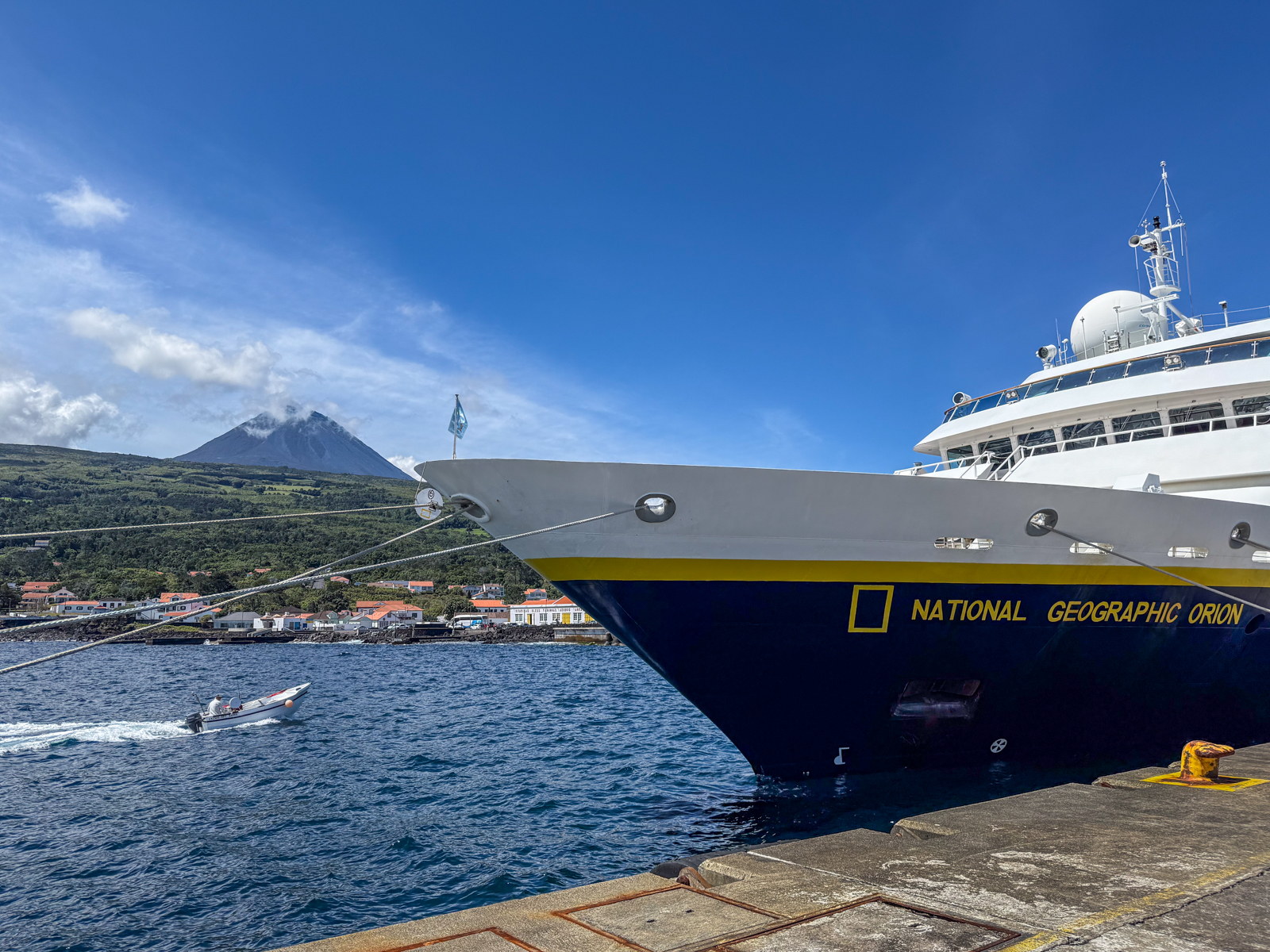
The Azores rise out of what seems like the middle of nowhere off the coast of Portugal. Though nine volcanic islands are scattered across this vast blue wilderness, we visited five, each one embracing its own distinct vibe. Last May, aboard the National Geographic Orion, we cruised into this archipelago slowly, with salt in the air and a feeling that our world was about to widen. What followed was a week of towering basalt cliffs, steaming hot springs, emerald pastures, whale spouts on the horizon, and the kind of companionship that only forms when a small ship carries curious explorers into remote waters. This would be our seventh expedition aboard a National Geographic/Lindblad Expeditions ship, and we were not disappointed in our discovery of these hiding isles.
Our original itinerary planned to include six islands. Our journey only included five due to a high sea swell that prohibited our ship from docking in Santa Maria. However, we thoroughly enjoyed exploring Sao Miguel, Pico, Faial, Sao Jorge, and Terceira.
São Miguel: The Green Island
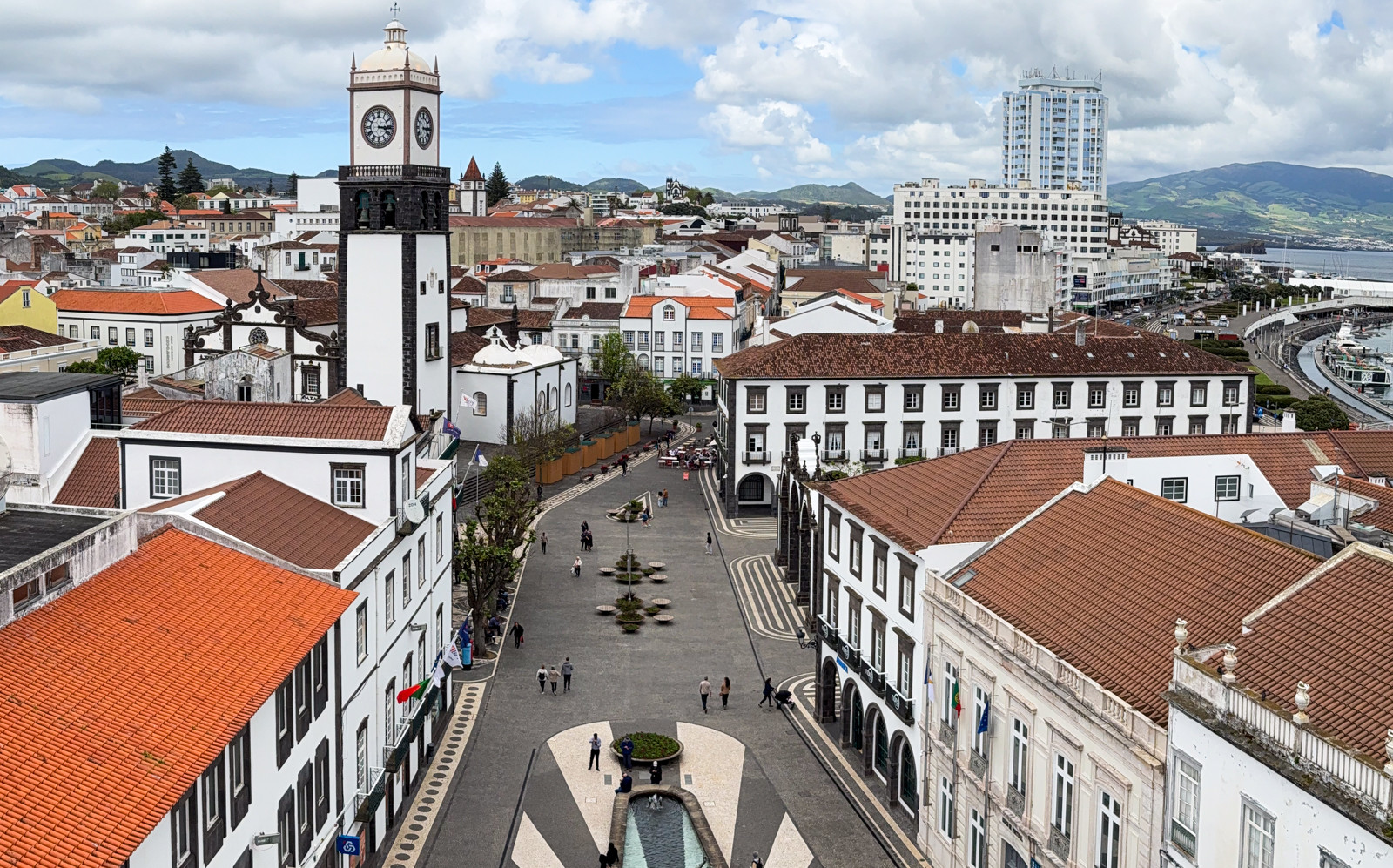
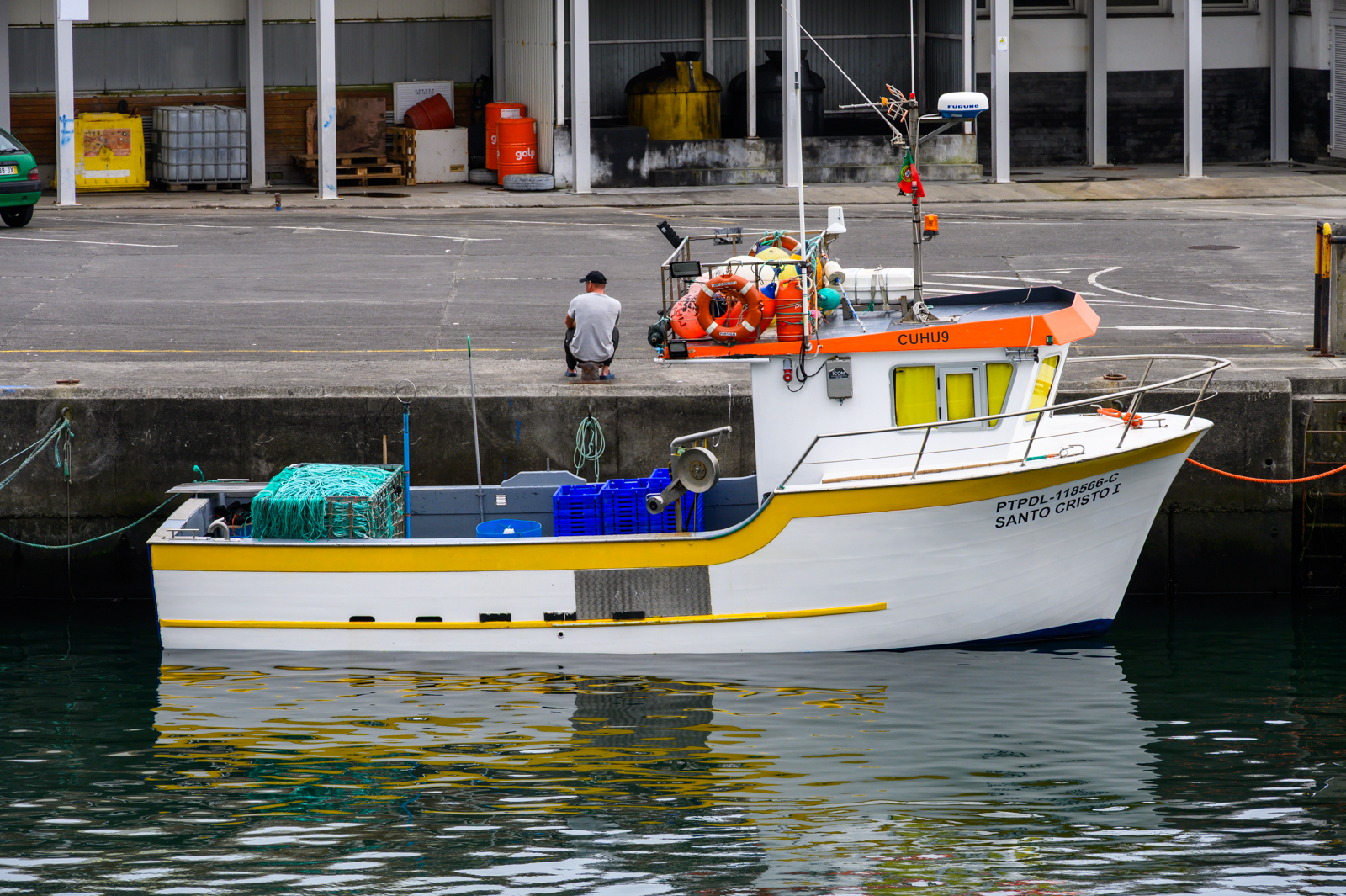
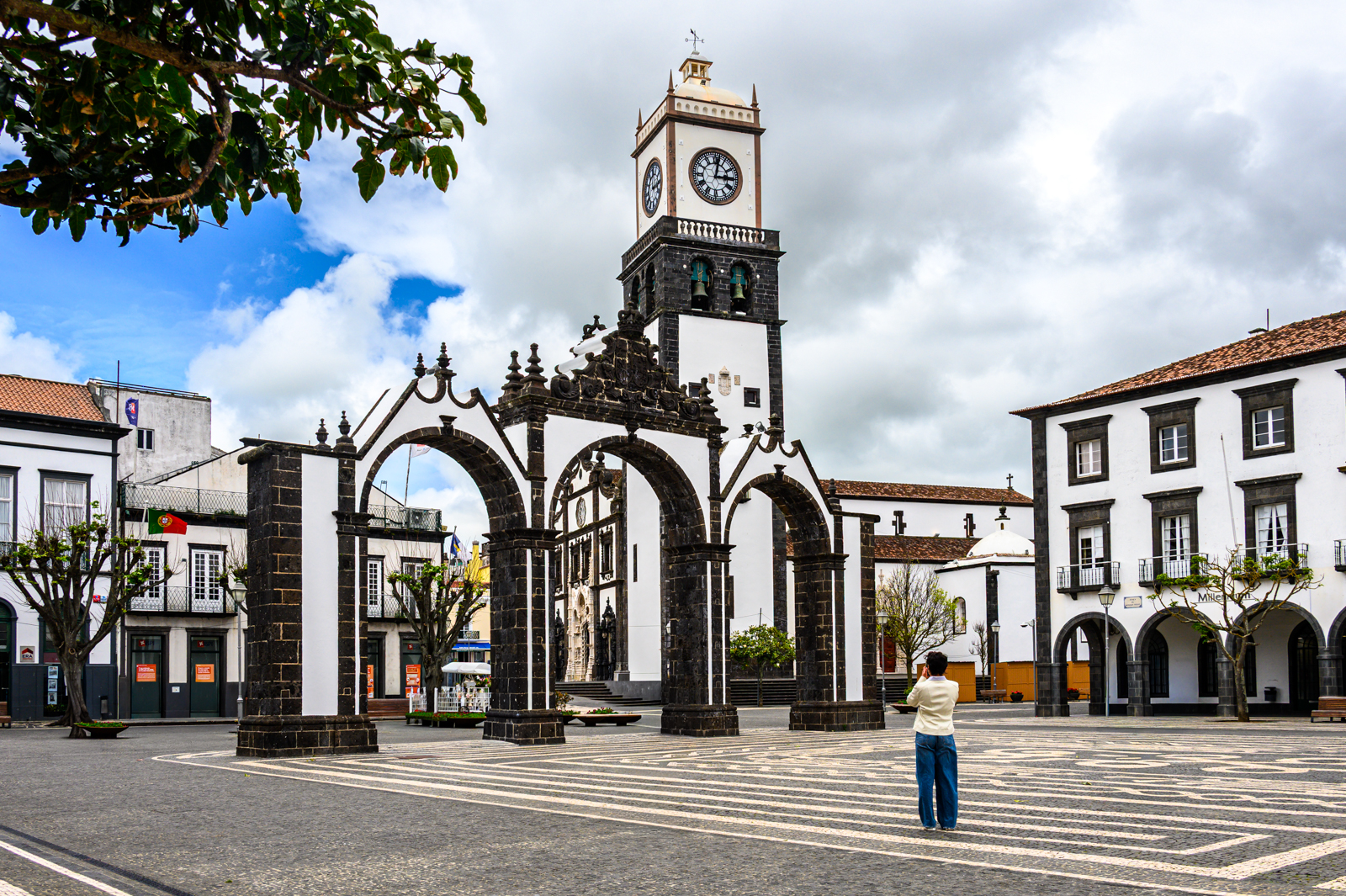
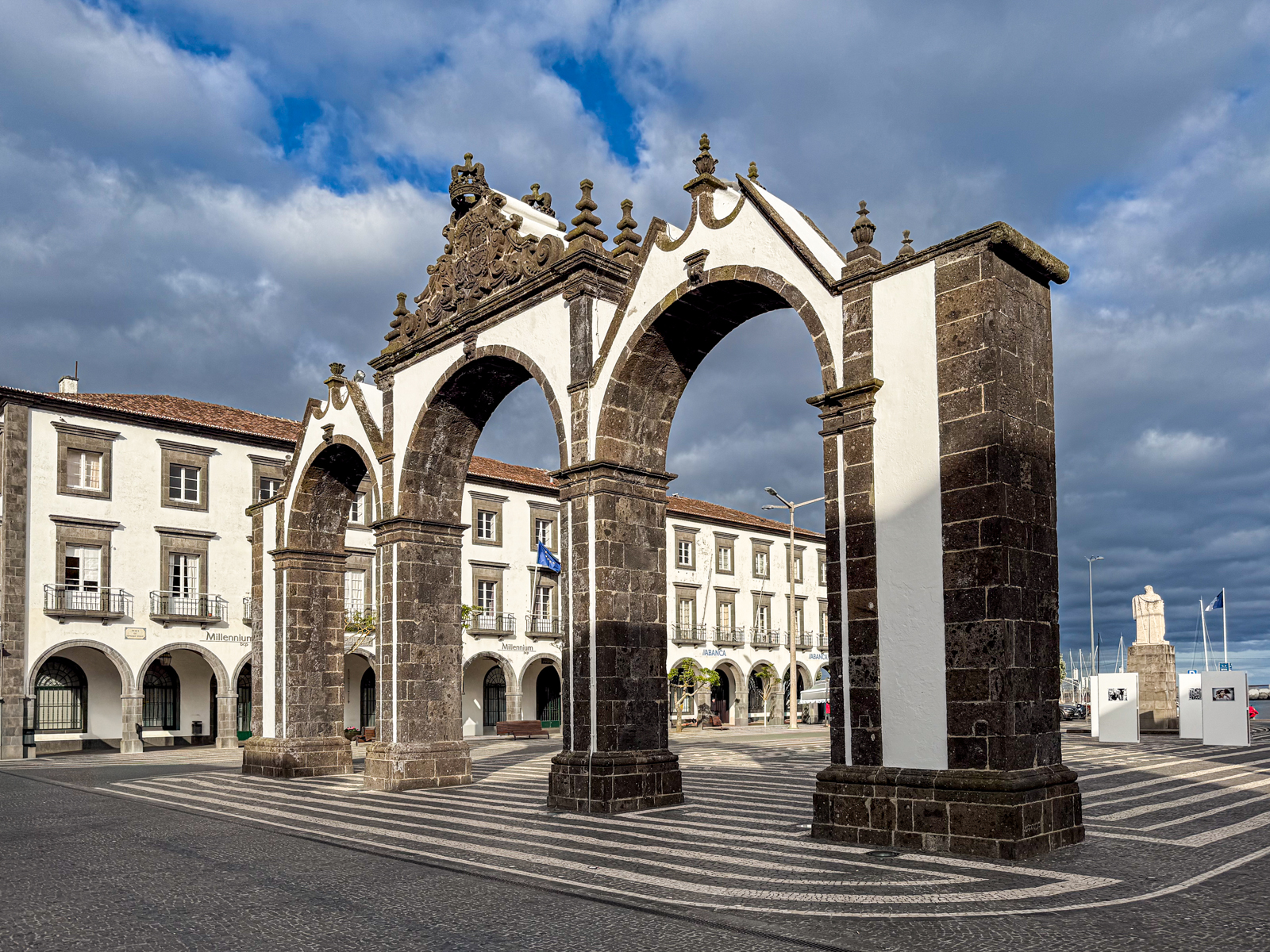
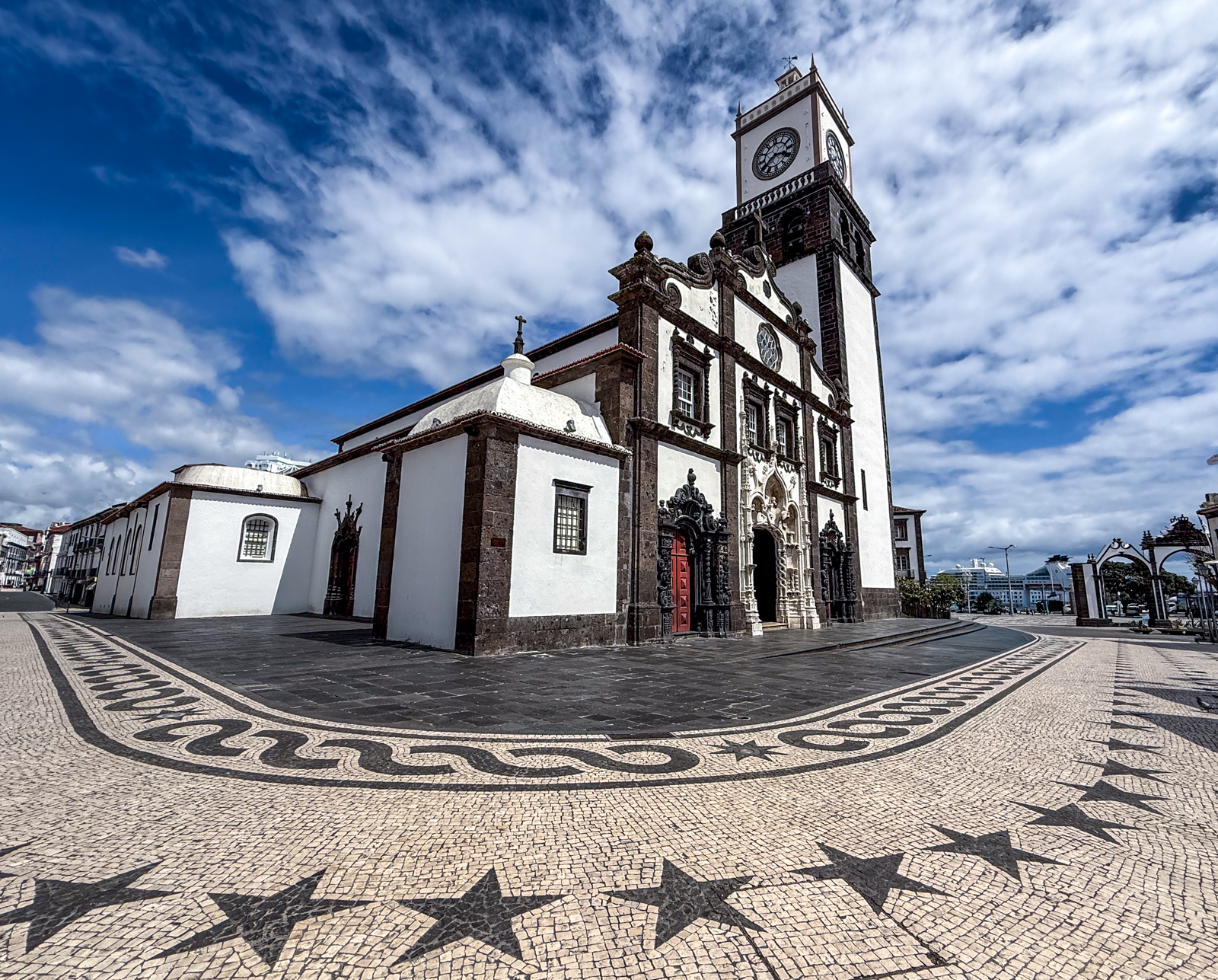
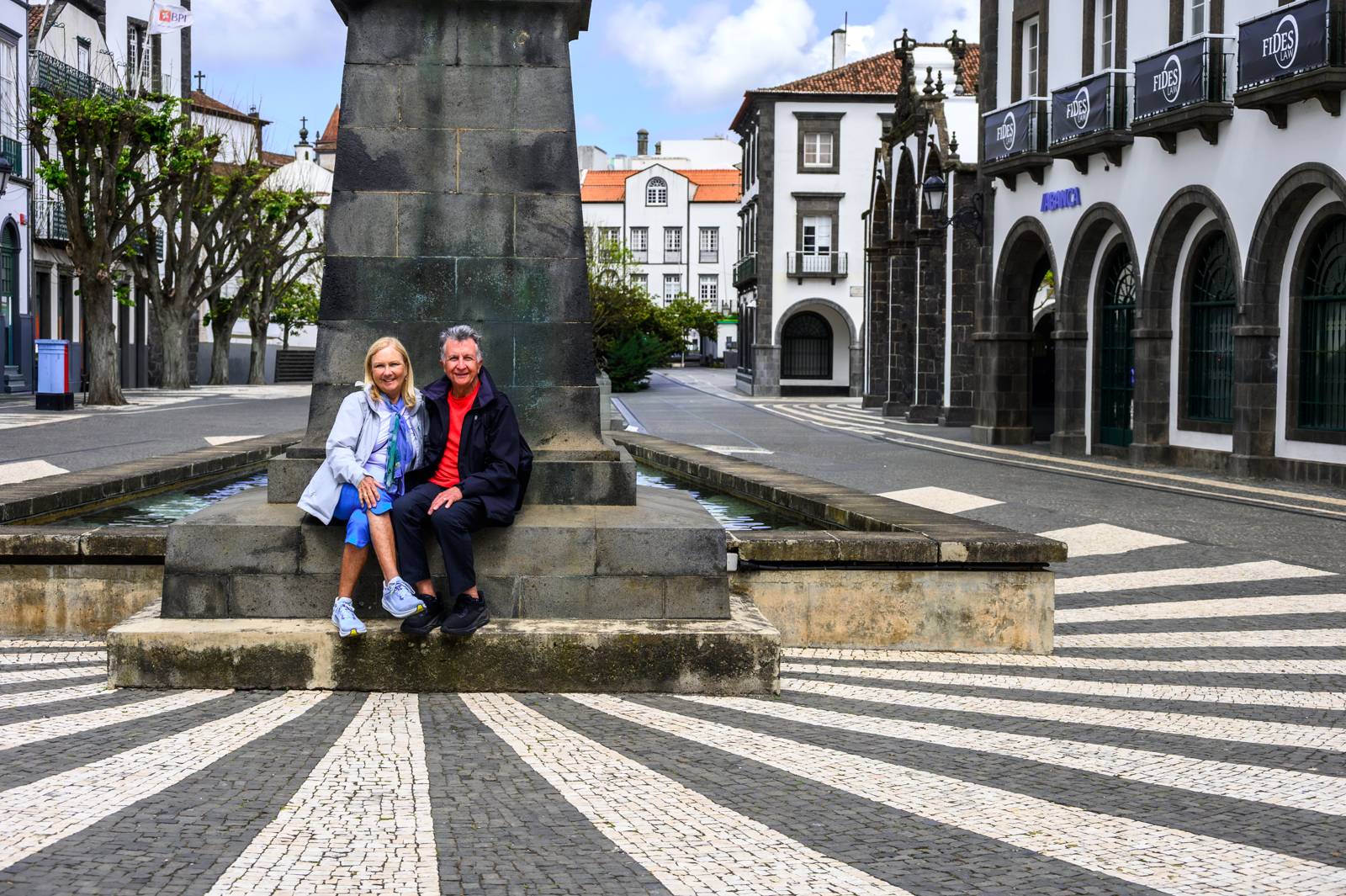
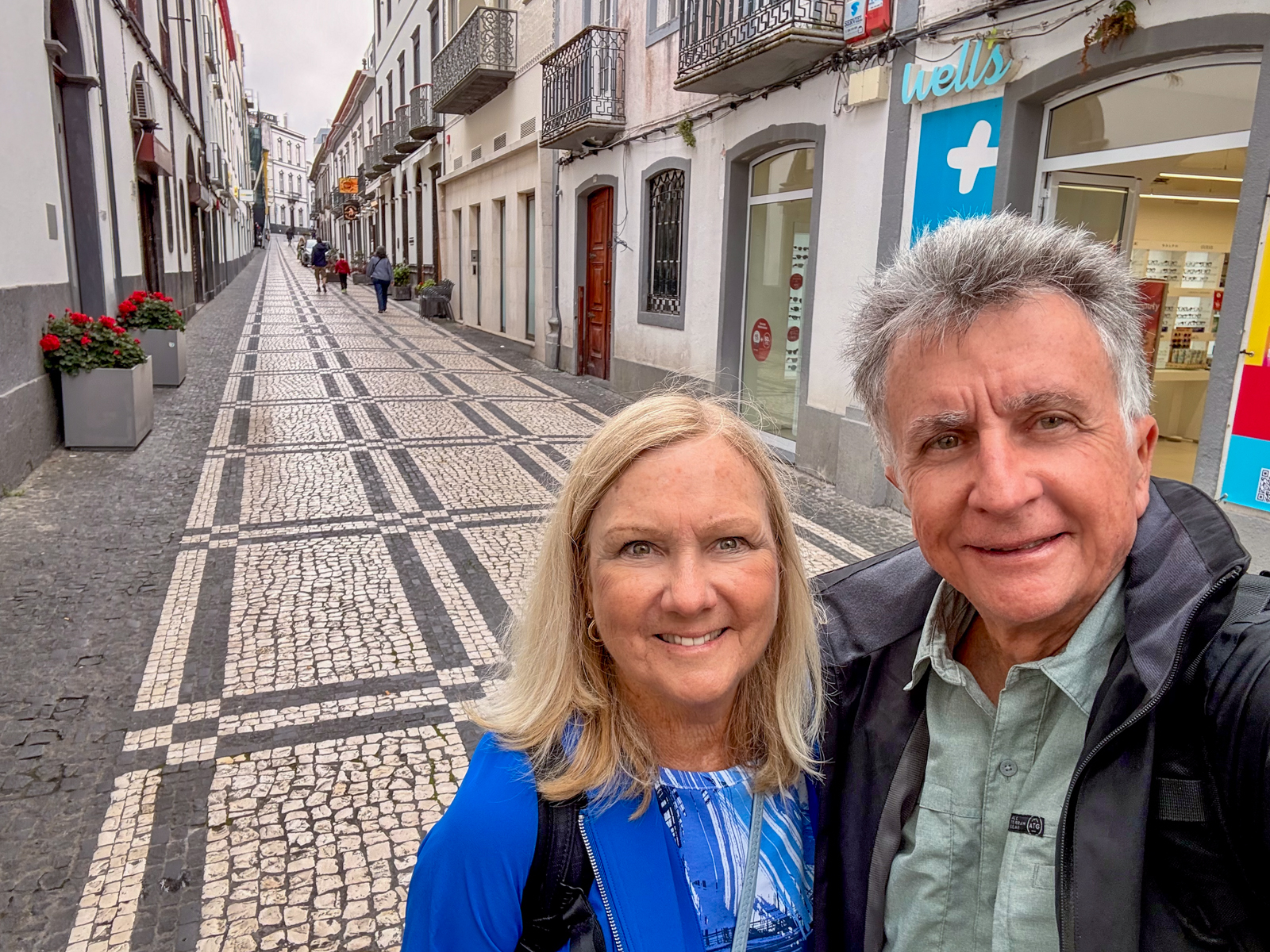
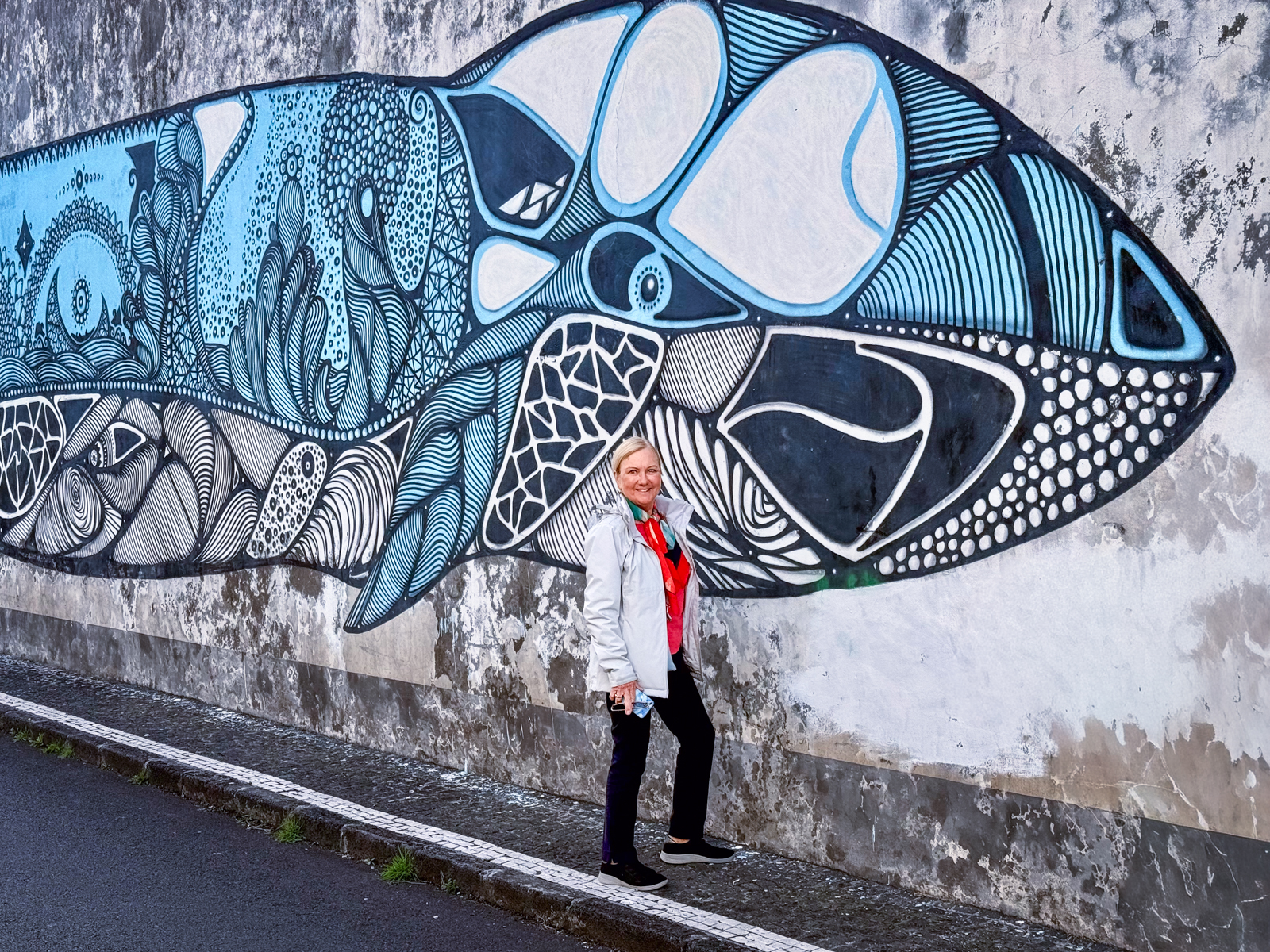
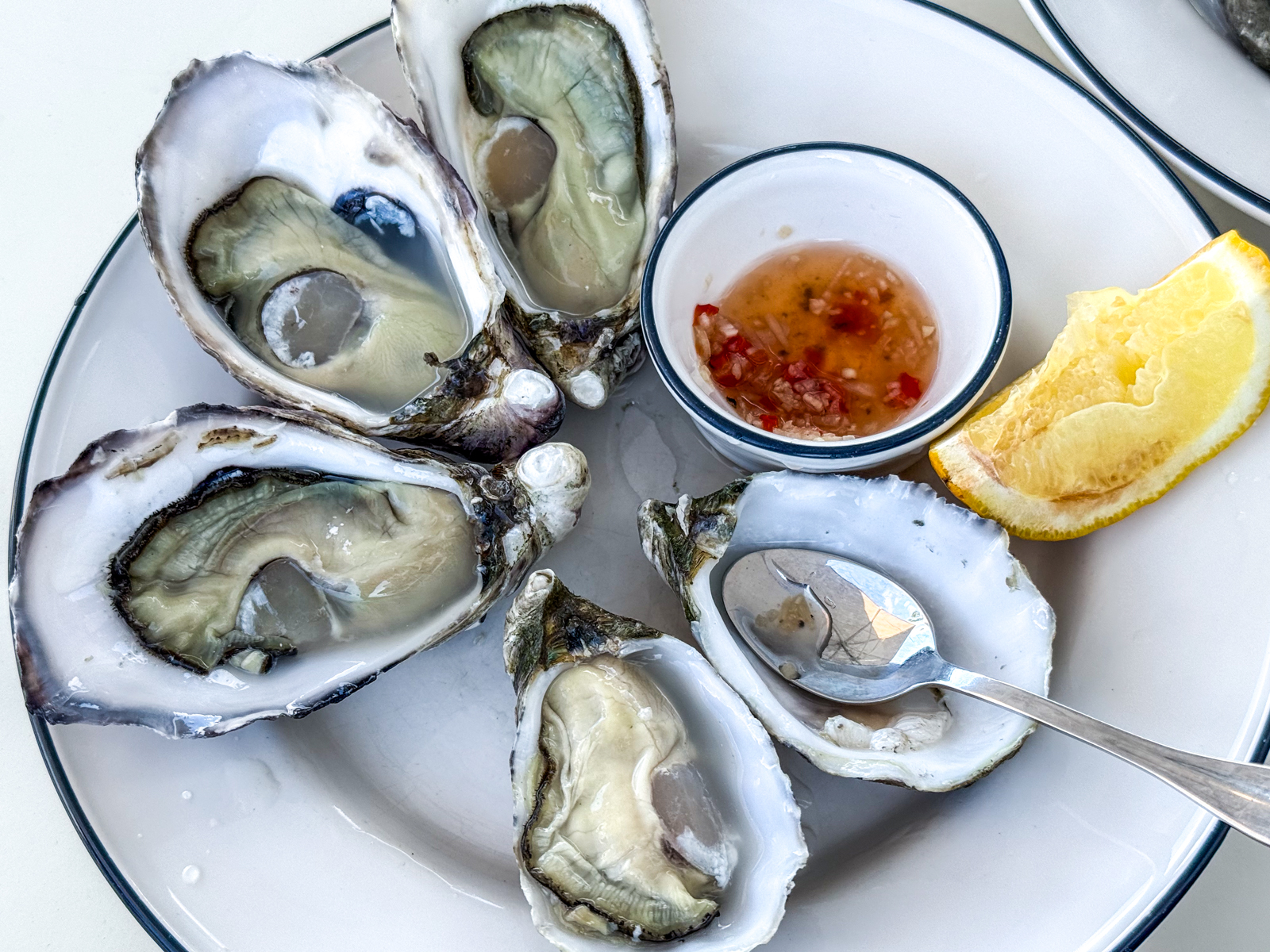
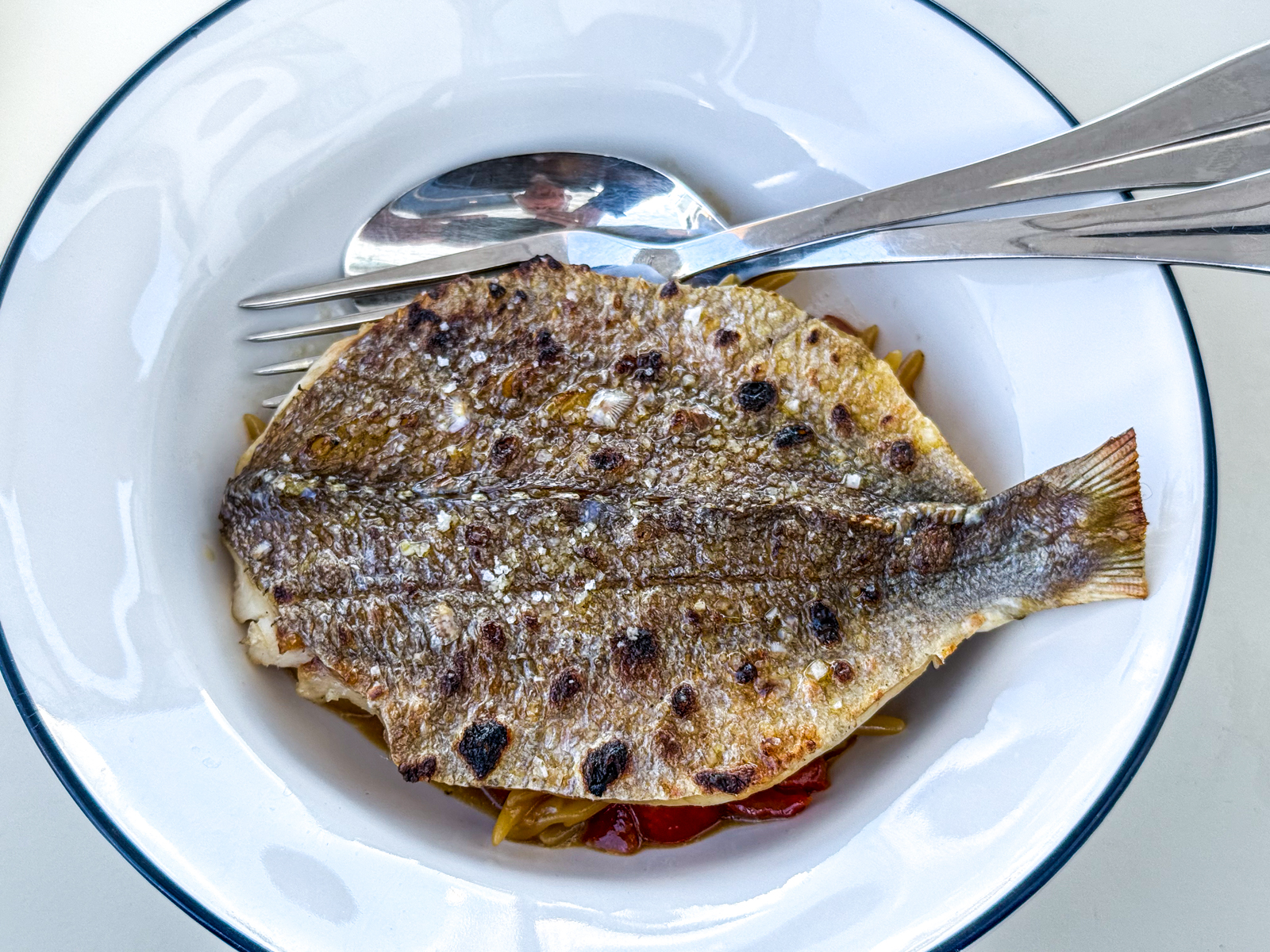
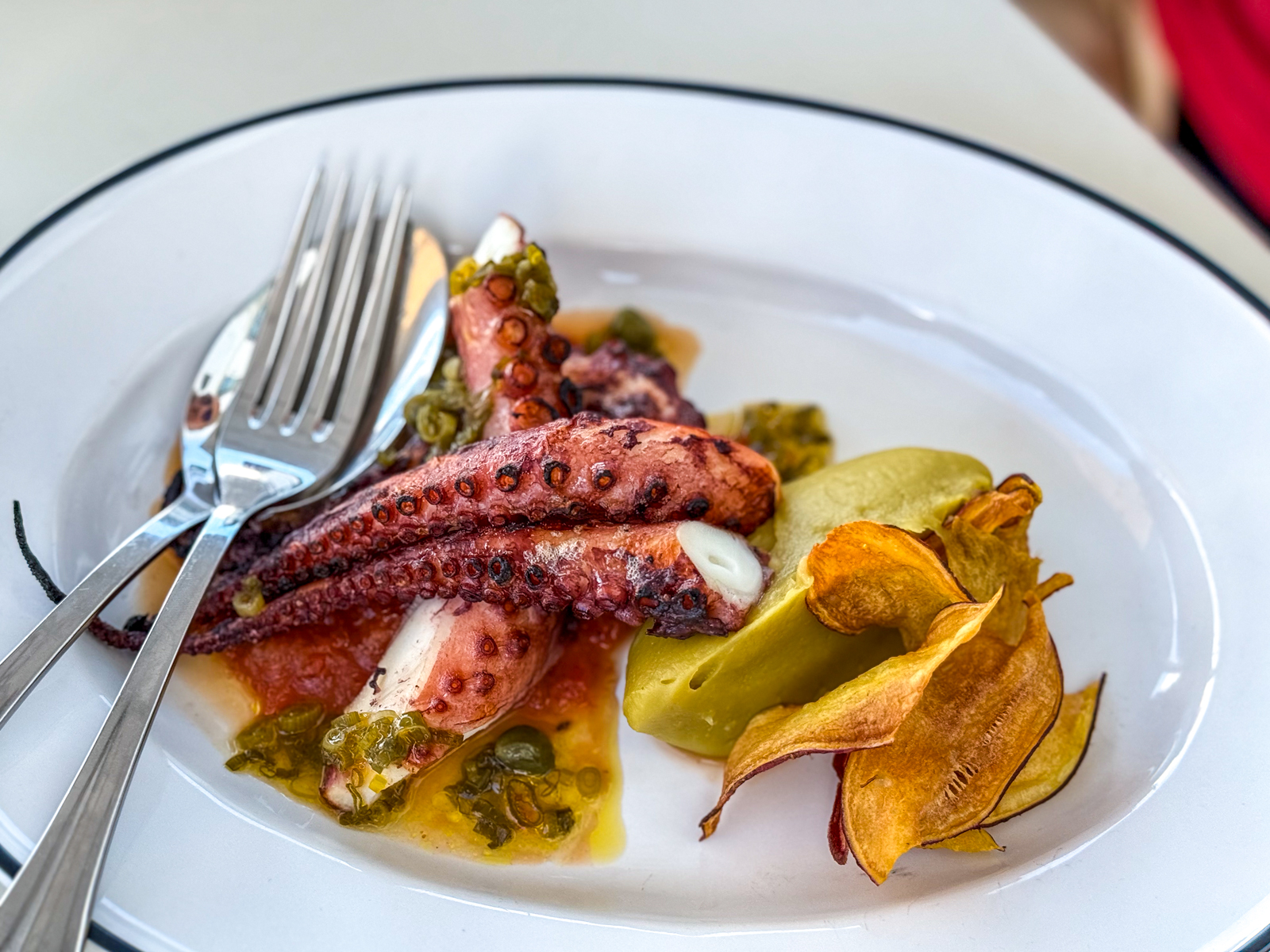
Our adventure began in Ponta Delgada, the picturesque capital of the Azores. The city invites exploration with its old-world architecture, narrow cobblestone streets, churches, and gardens. One of São Miguel’s most photographed landmarks is the Portas da Cidade, or City Gates, an elegant 18th-century square that serves as a memorable introduction to the island. Ponta Delgada is also known for excellent seafood and wine, and we made the most of the opportunity to sample as many local dishes as we could.
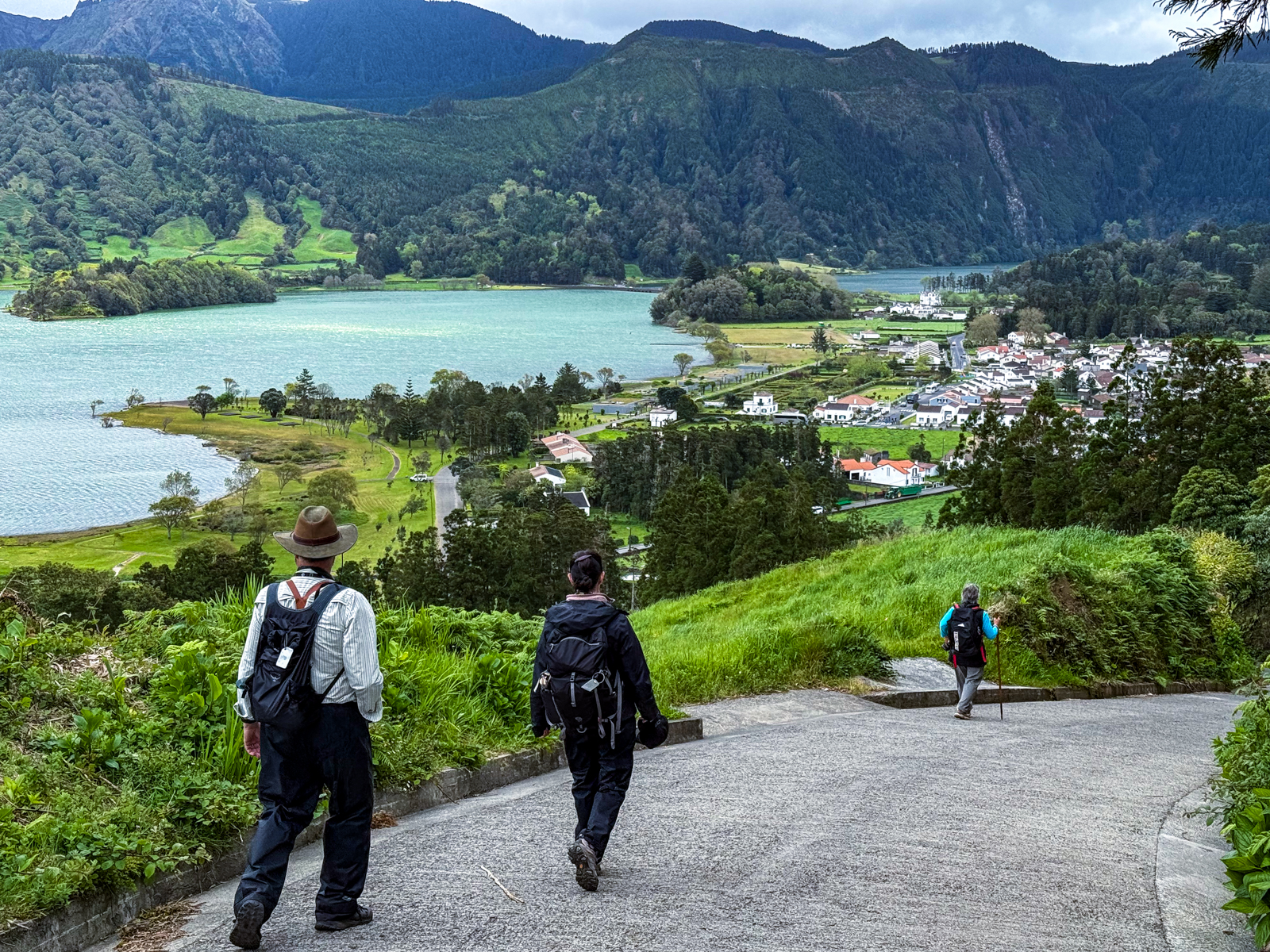
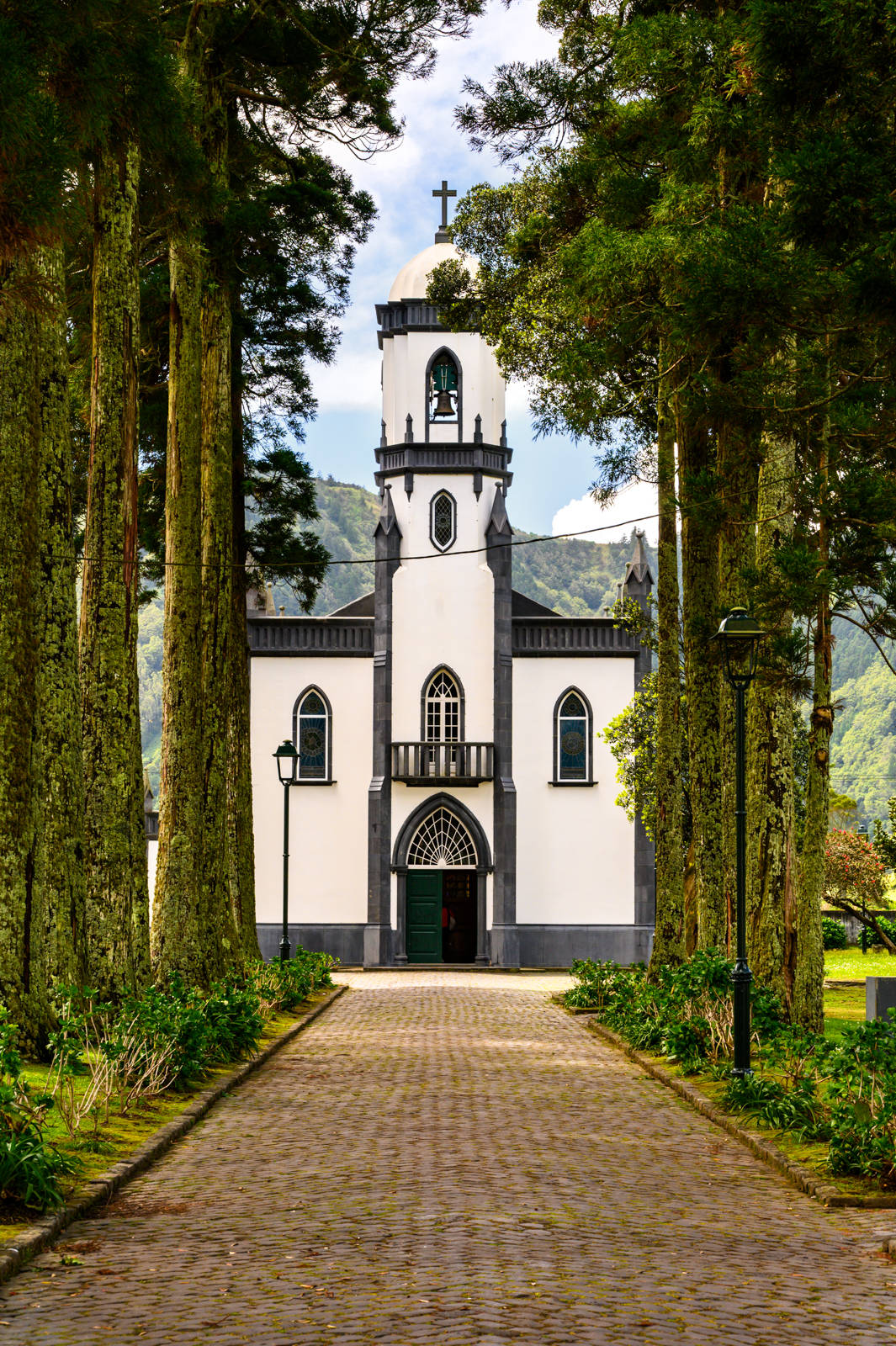
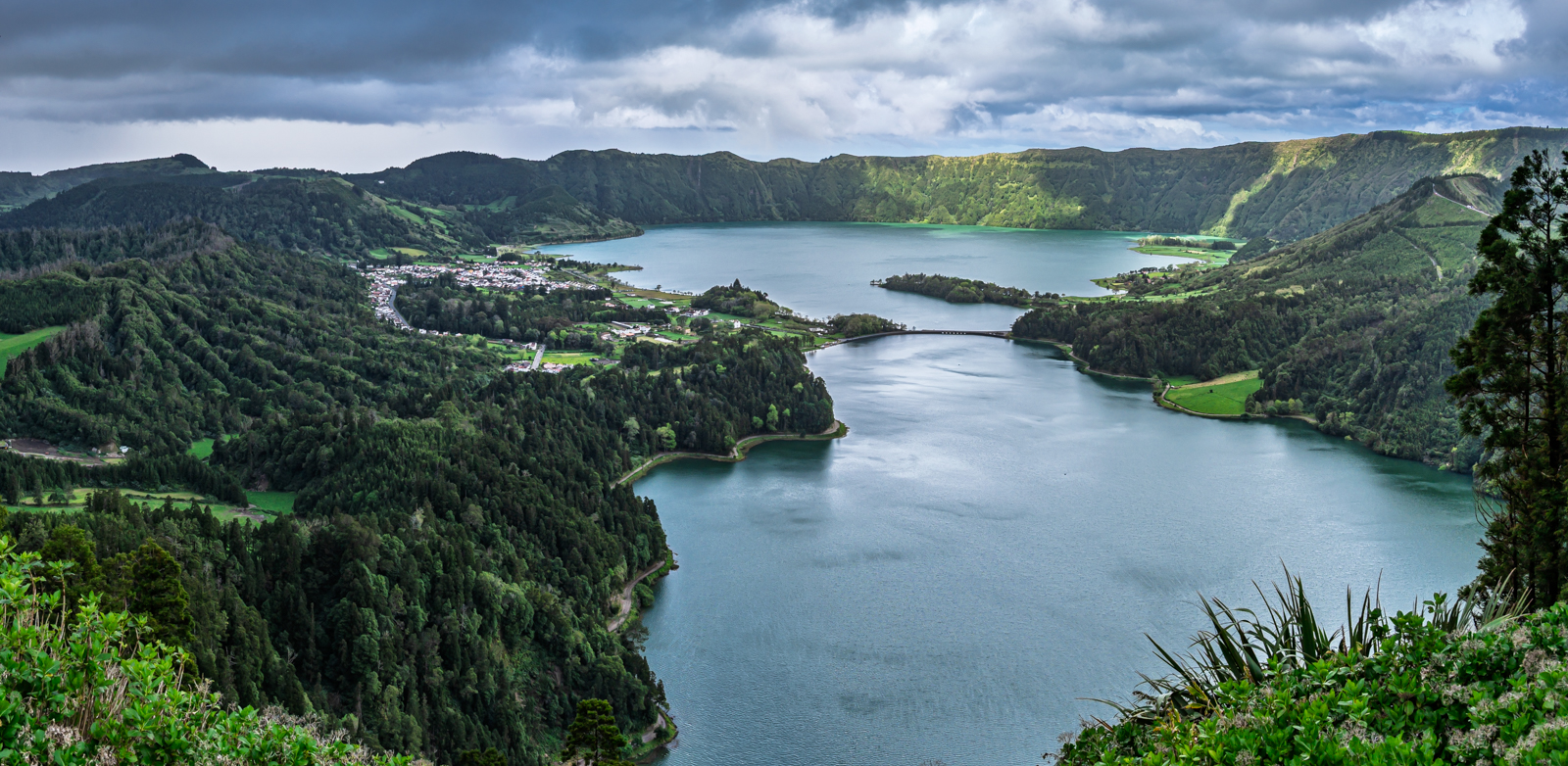
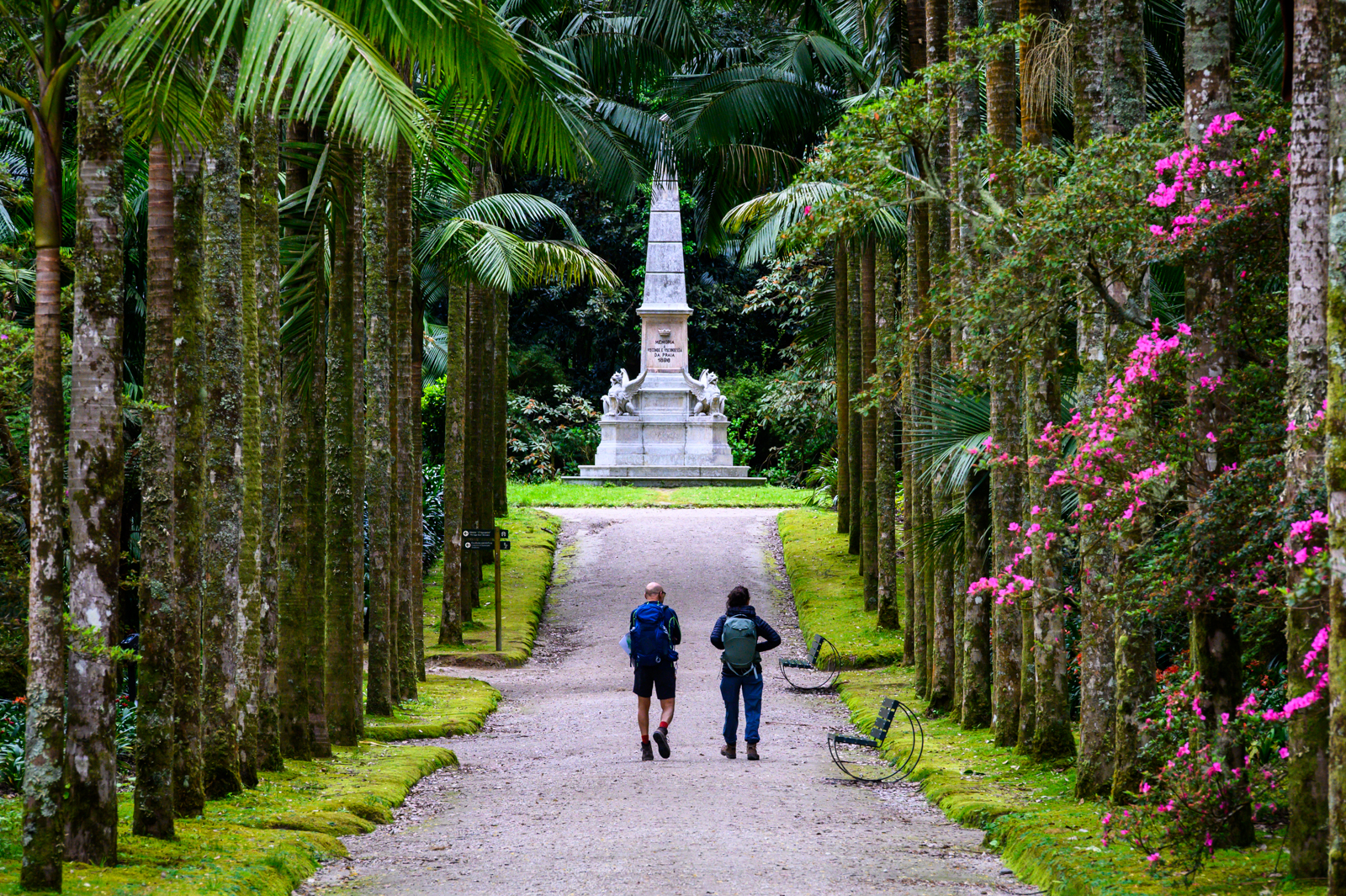
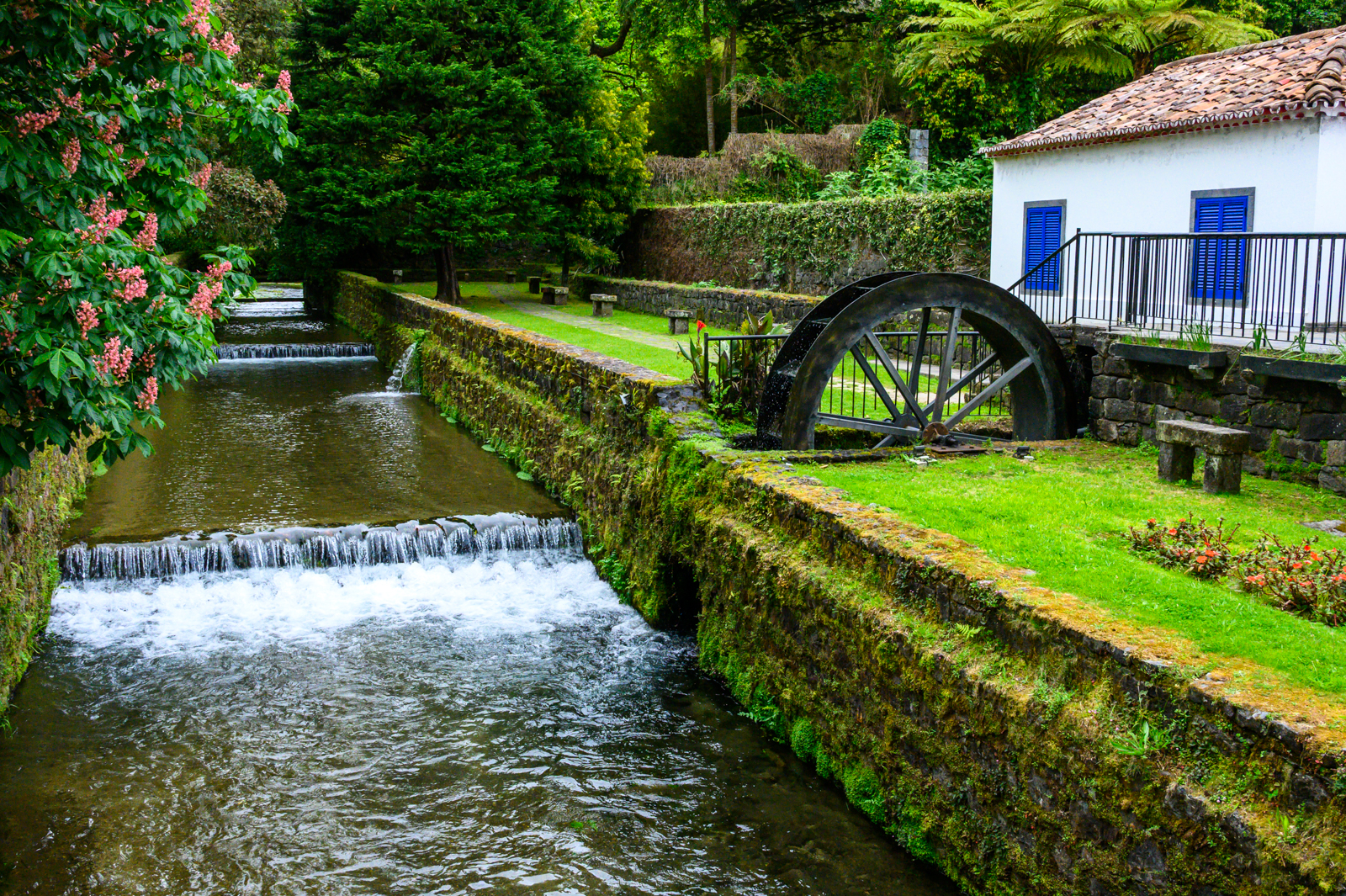
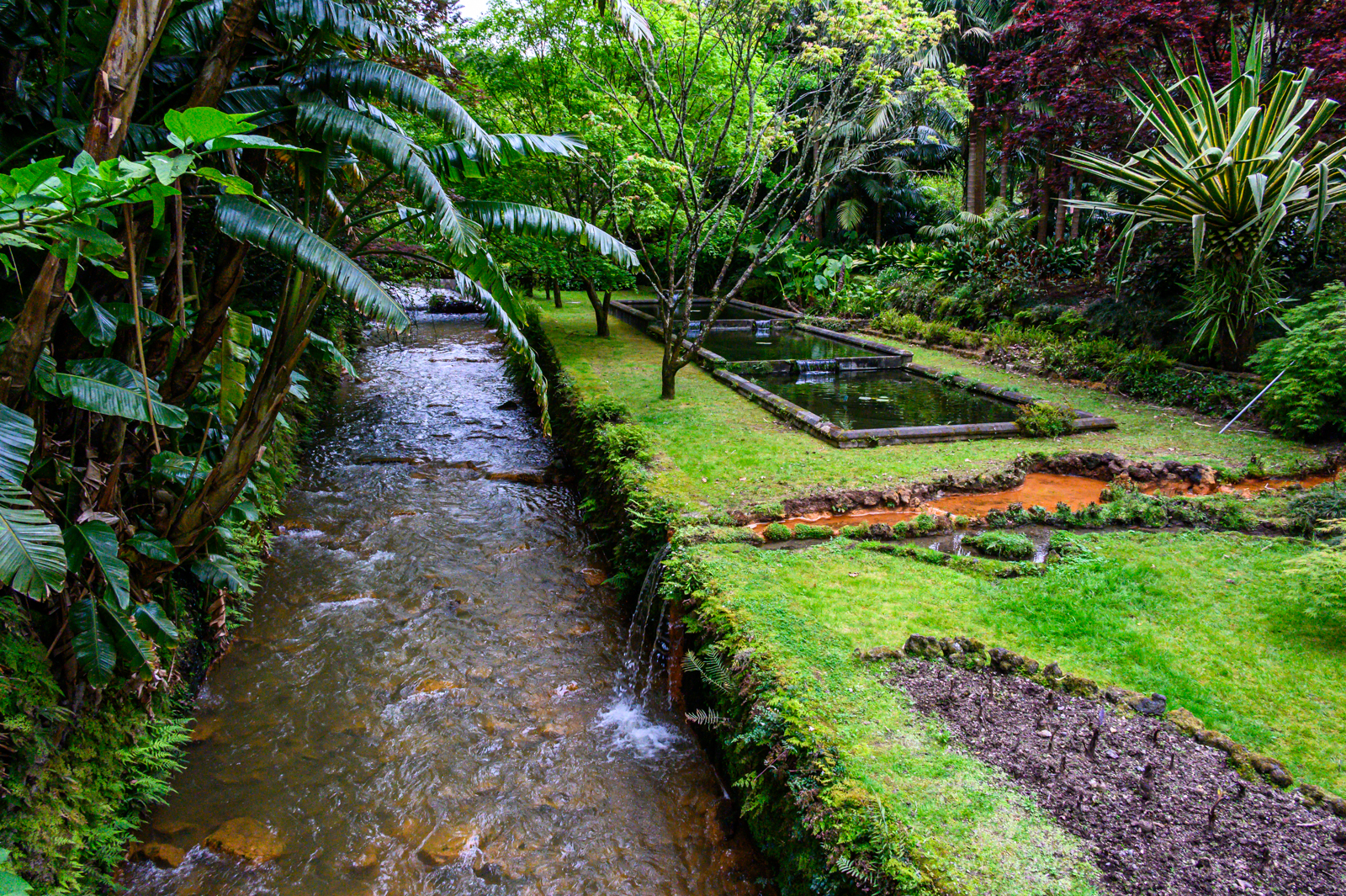
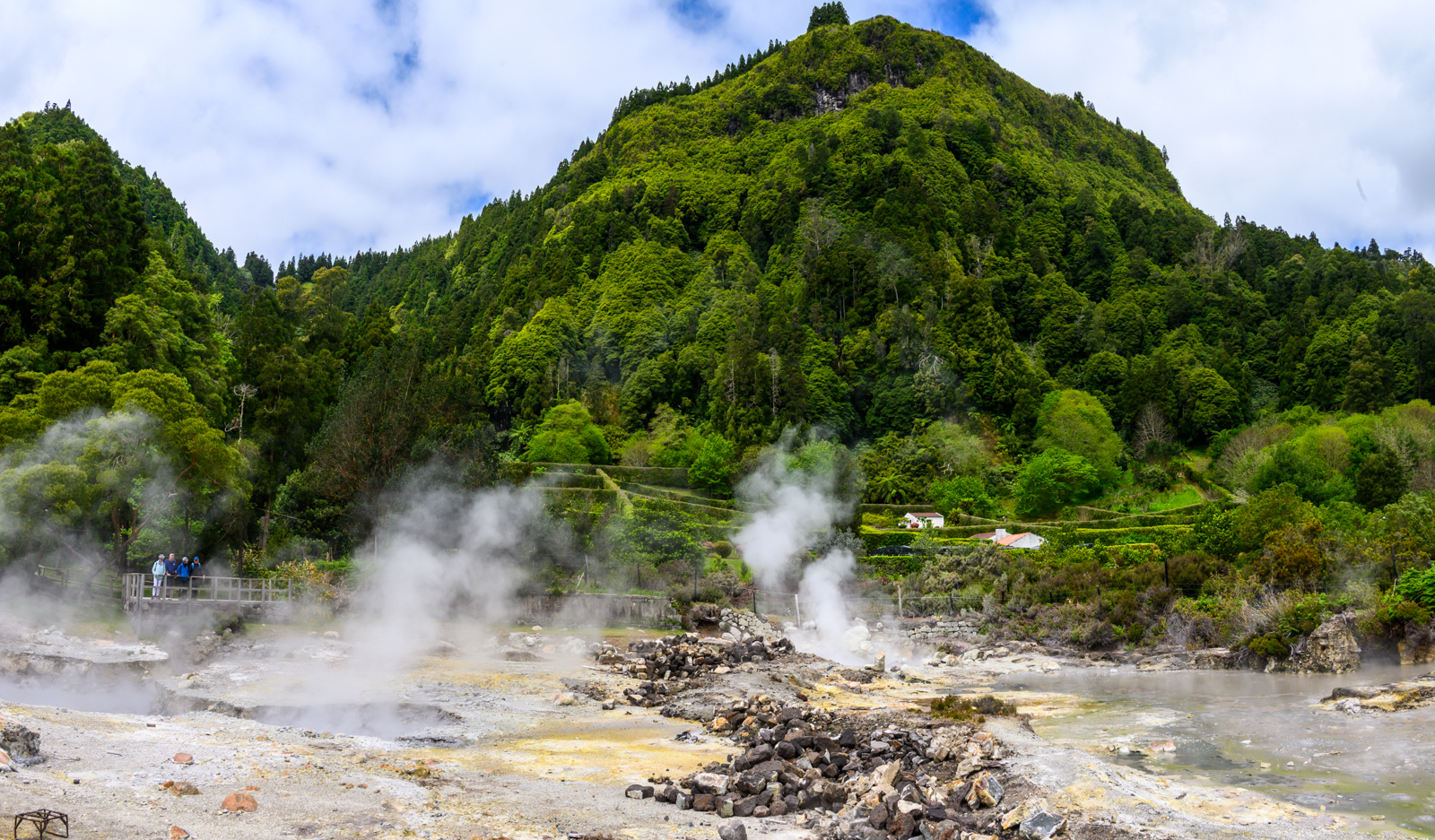
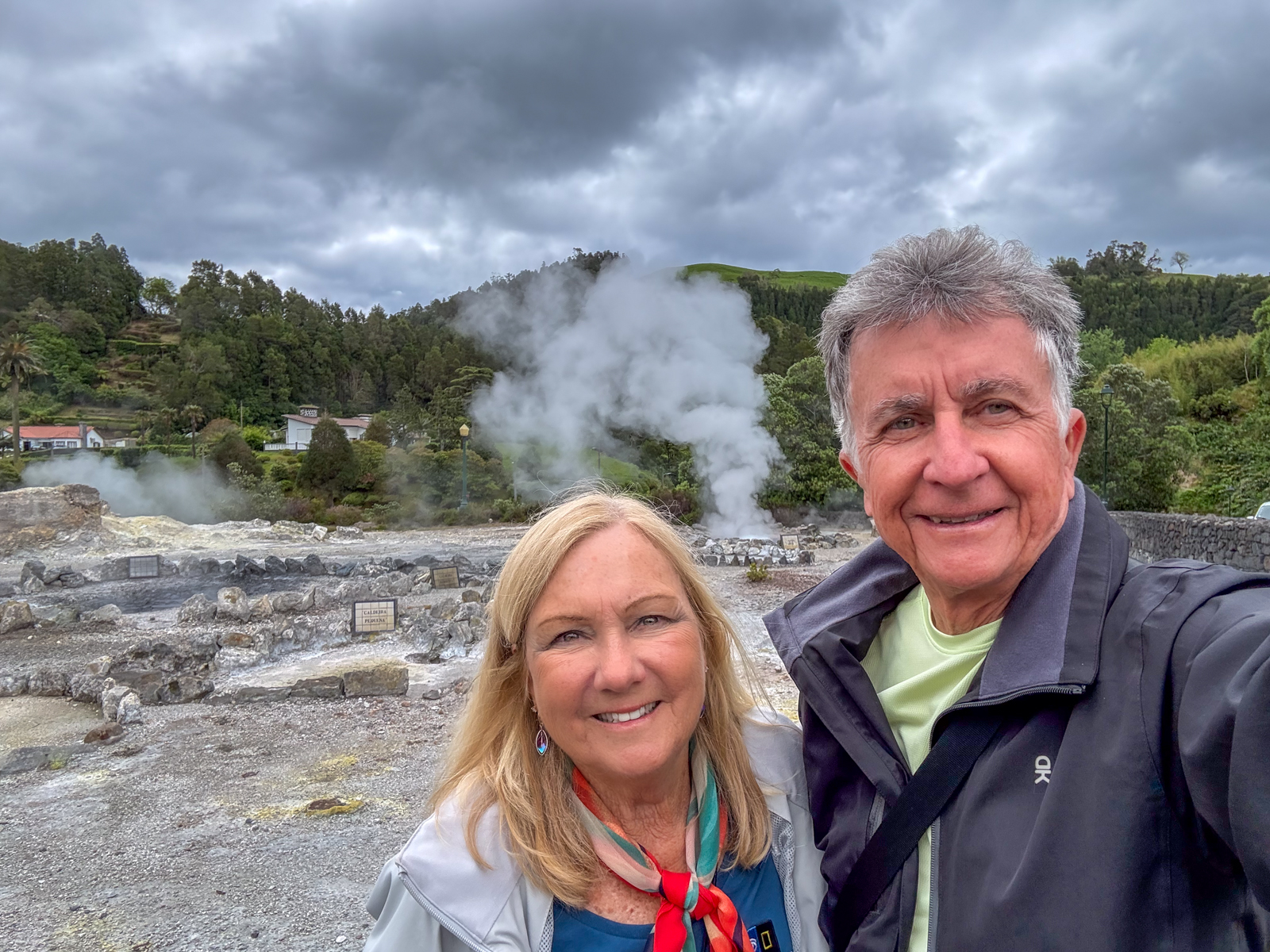
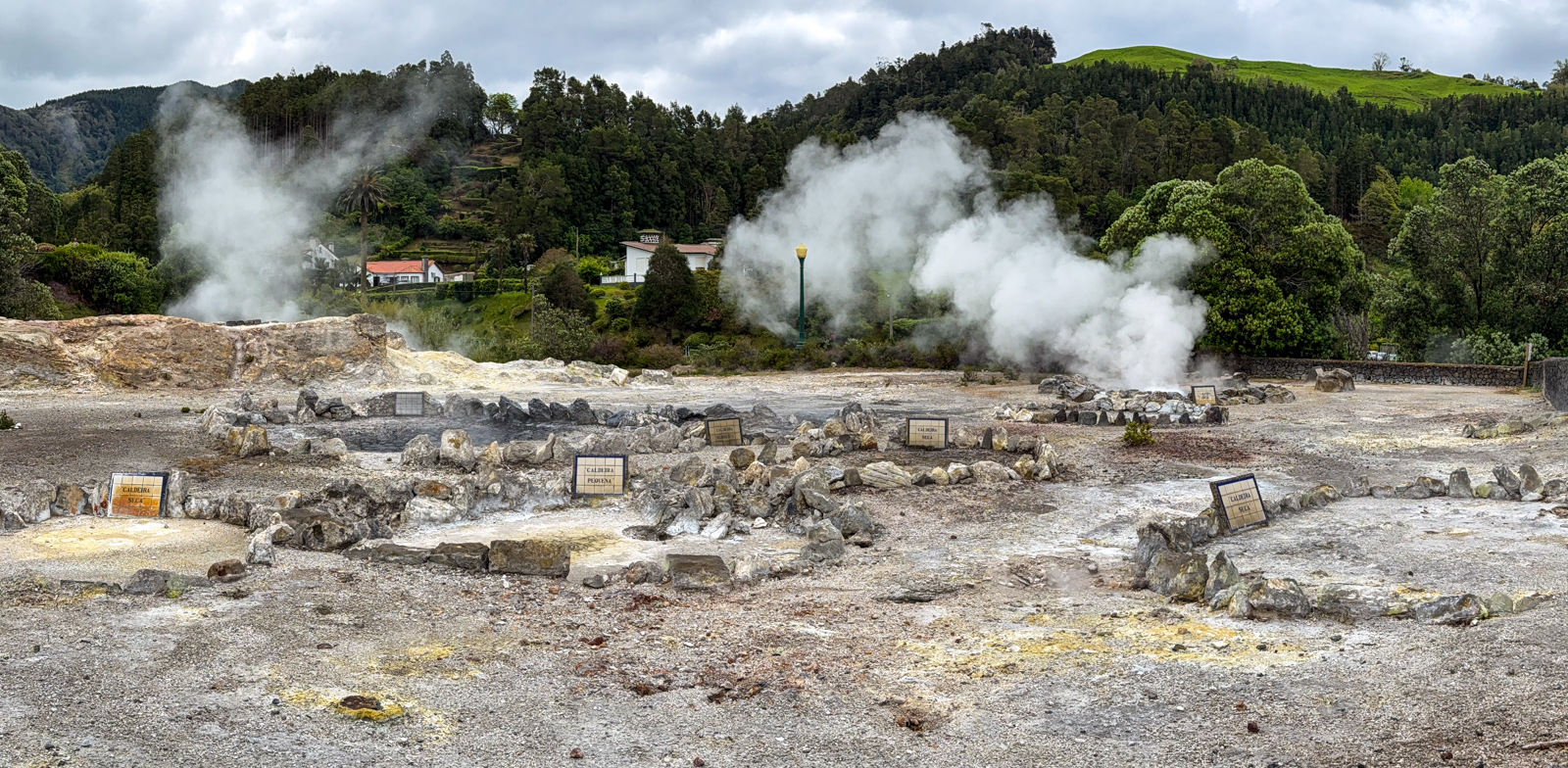
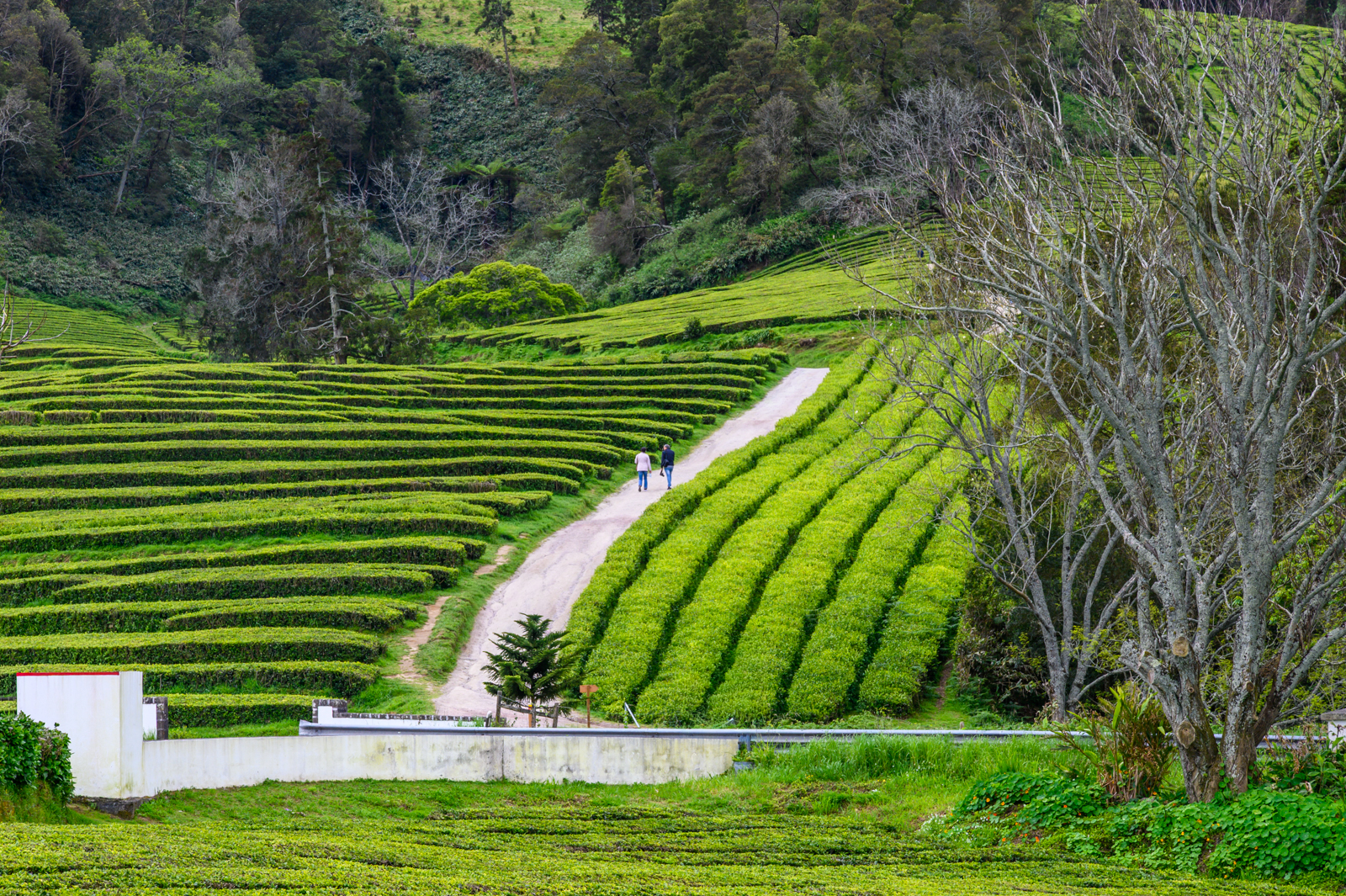
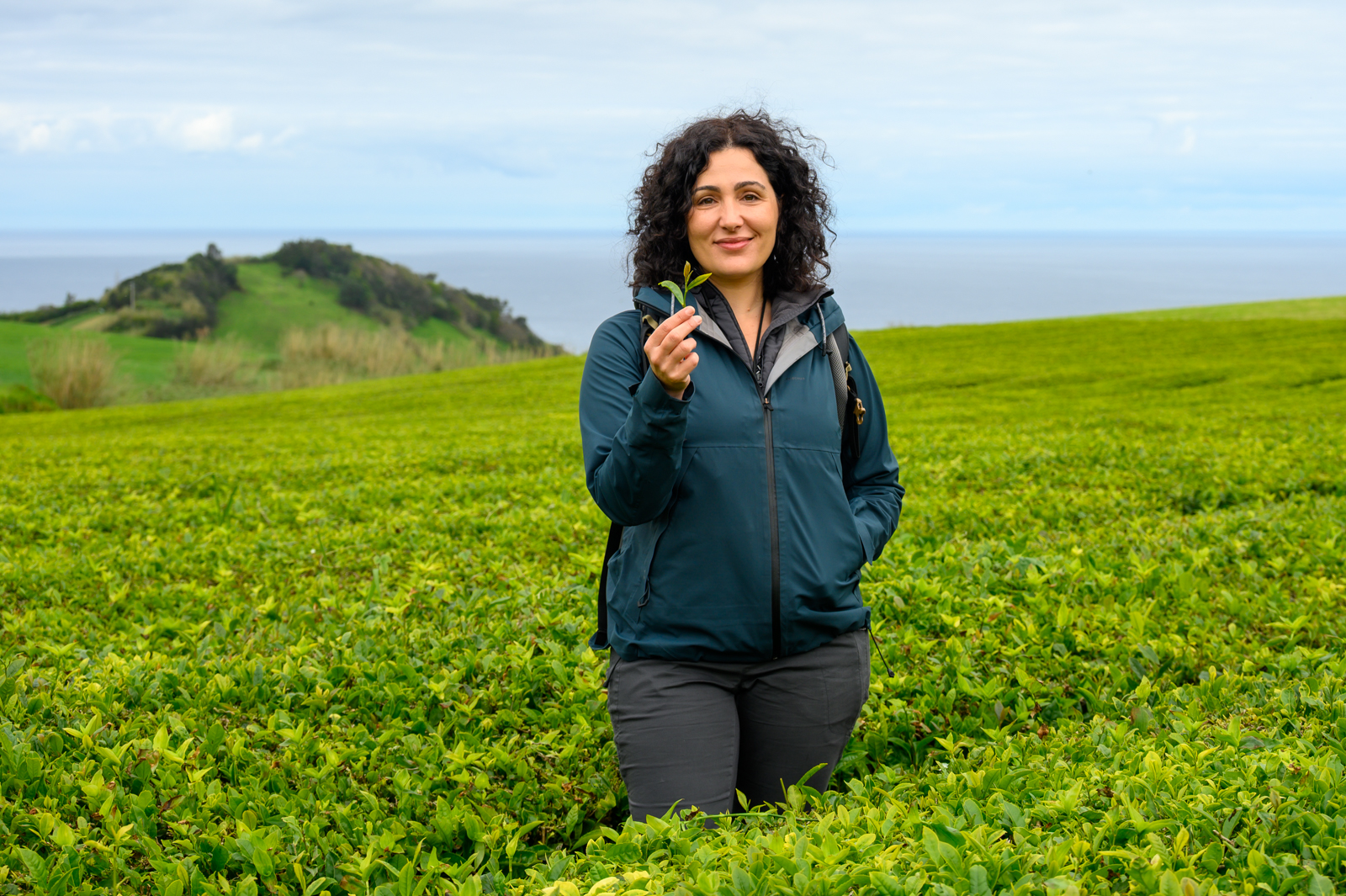
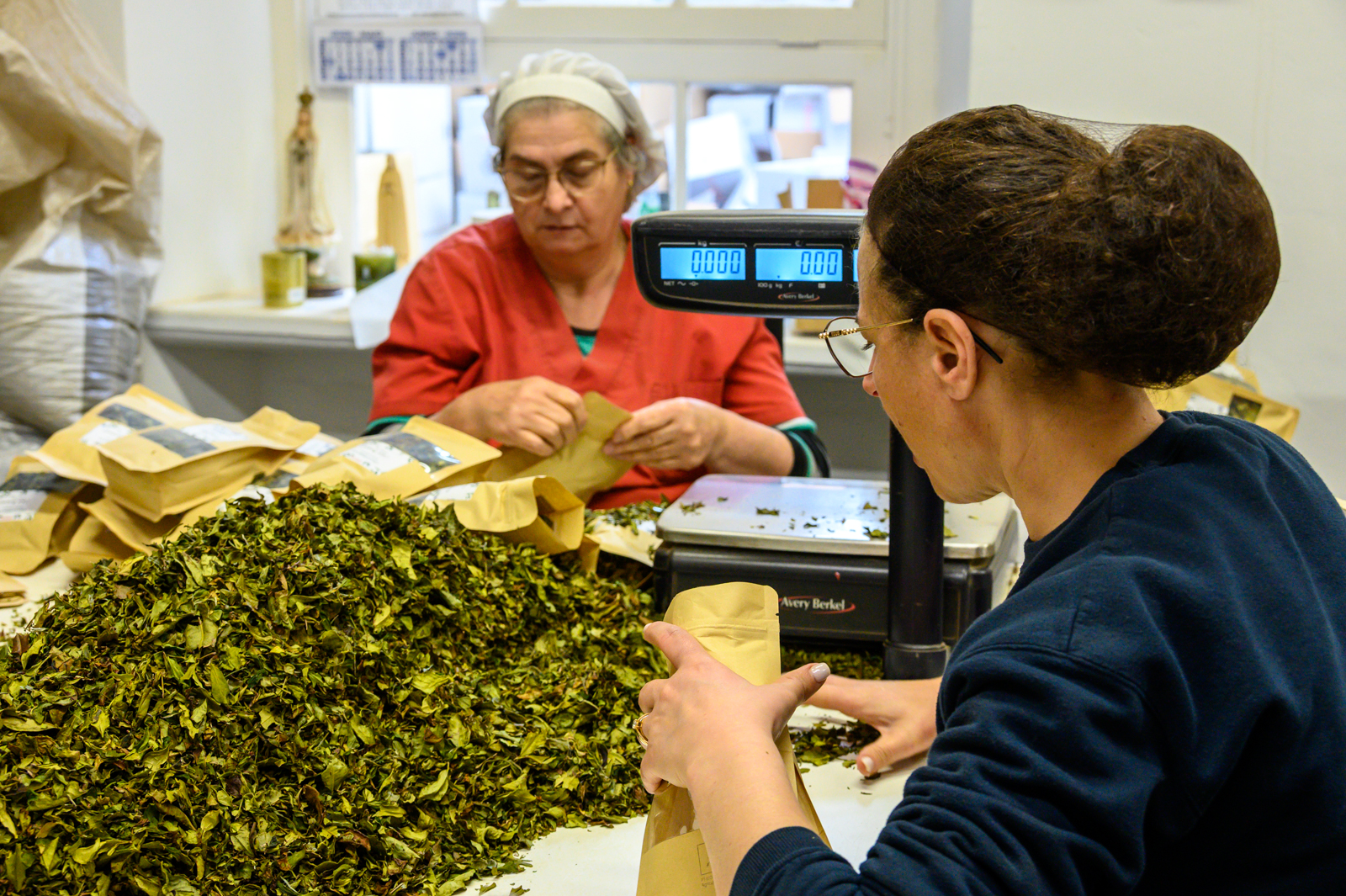
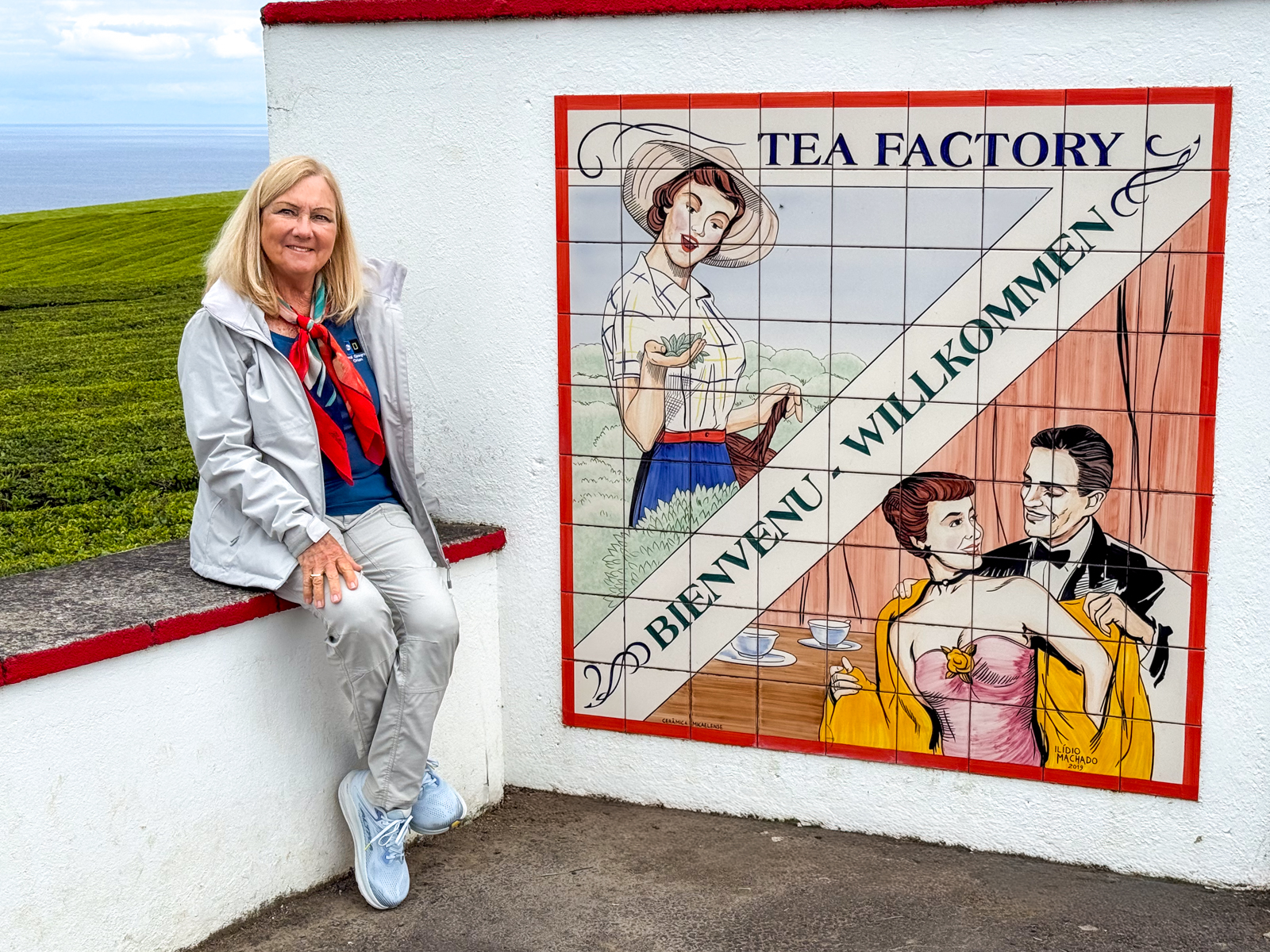
São Miguel, often called the “Green Island” of the Azores, certainly lives up to its name. Before returning to the National Geographic Orion, we traveled by bus across the island to experience several of its signature sights, including the iconic Twin Lakes of Sete Cidades, the geothermal wonders of Furnas, and Europe’s only tea plantation.
Ponta Delgada
Sete Cidades
Furnas

Cha Gorreana Tea Plantation
Pico: The Grey Island
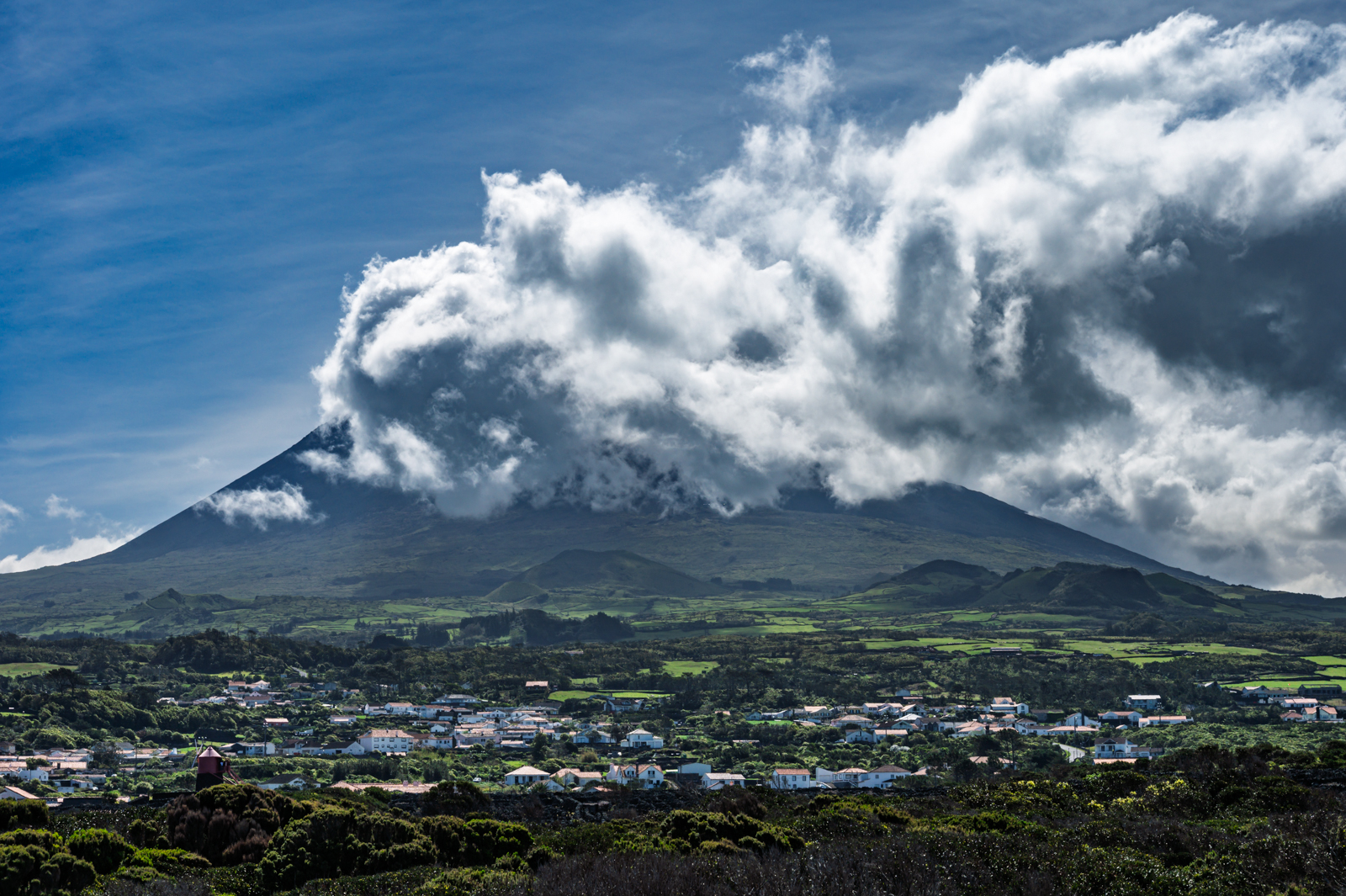
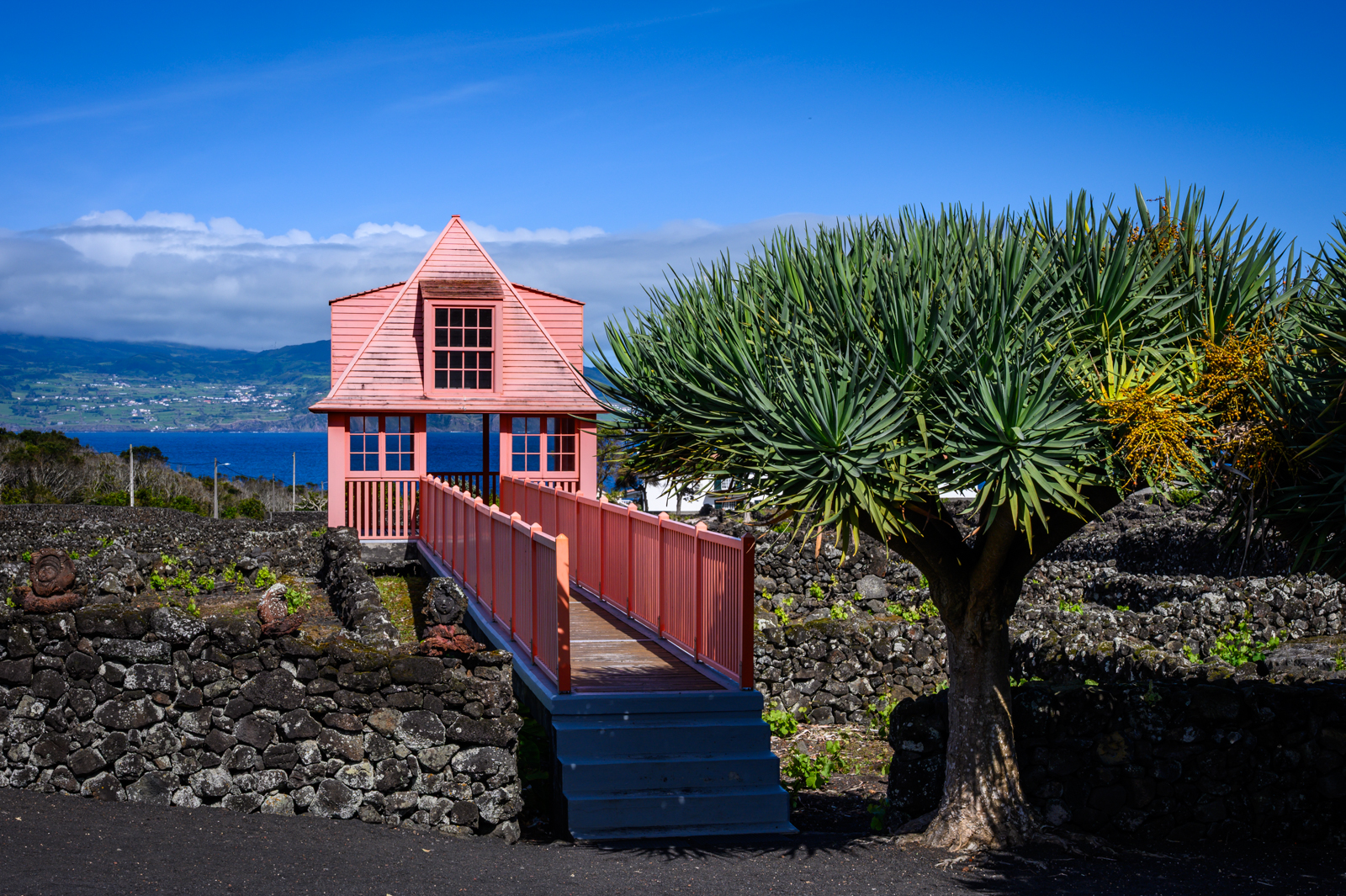
After embarking on the National Geographic Orion in Ponta Delgada, our first port of call was São Roque do Pico, set on the majestic volcanic island of Pico. Often called the “Grey Island,” Pico is home to Portugal’s highest mountain, also named Pico, which can be seen from nearly anywhere on the island.
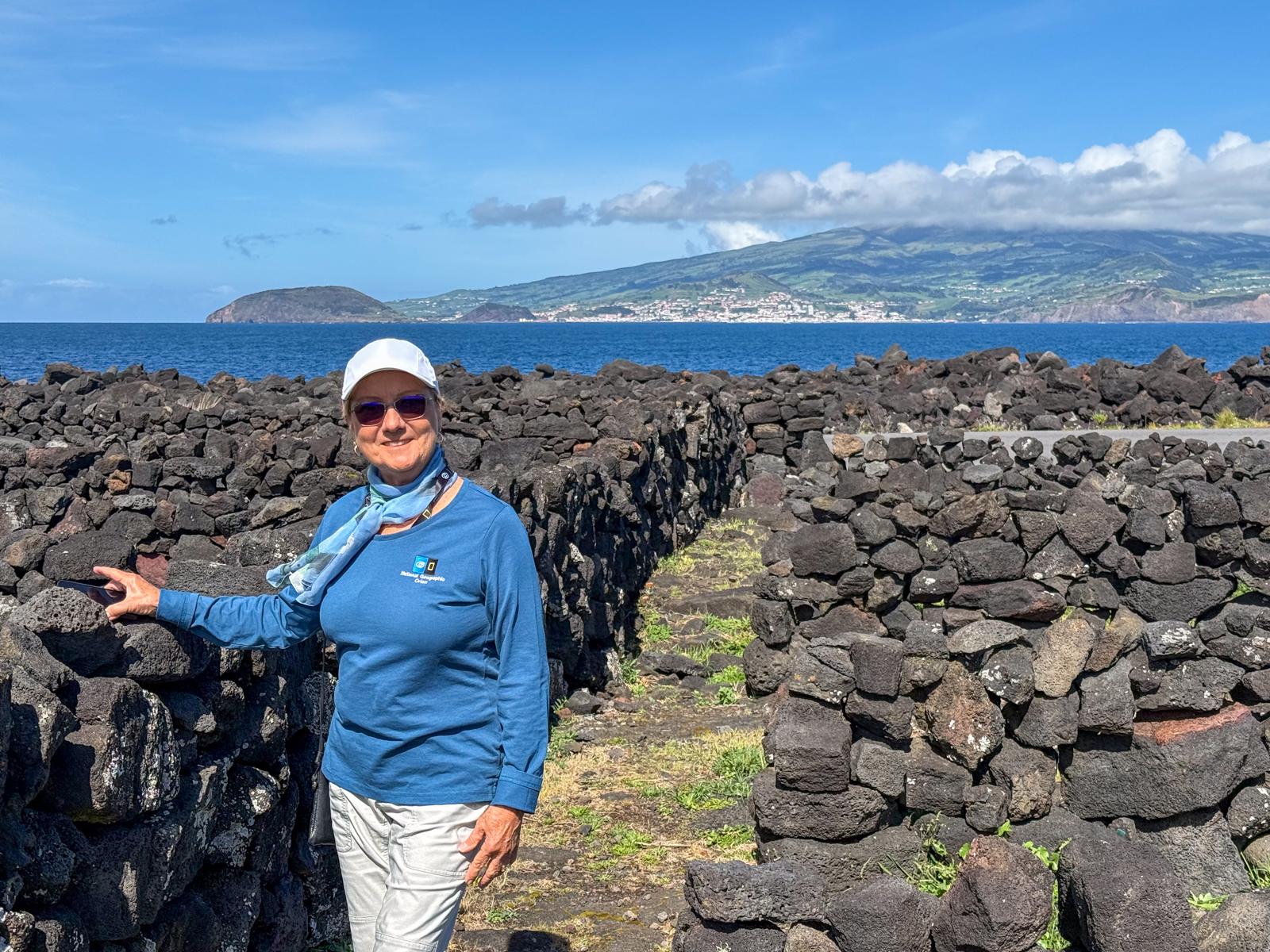
The island’s nickname comes from its sweeping lava fields, divided by countless stone walls often planted with remarkably hardy grapevines. Recognized by UNESCO for this distinctive landscape, Pico offered a memorable mix of rugged scenery and local flavor. We enjoyed exploring the lava fields and sampling the island’s fruity wines.
Pico
Faial: The Blue Island
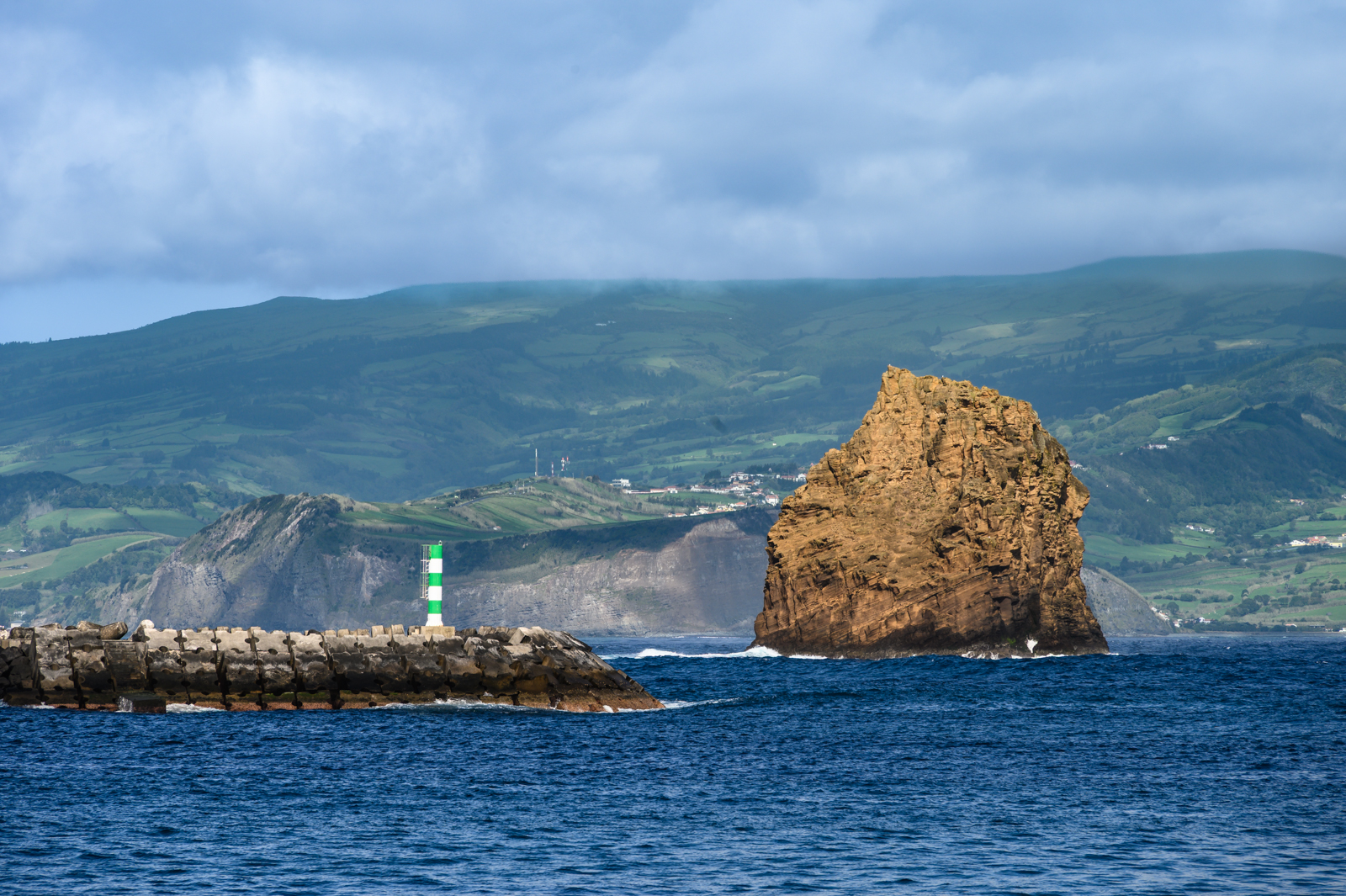
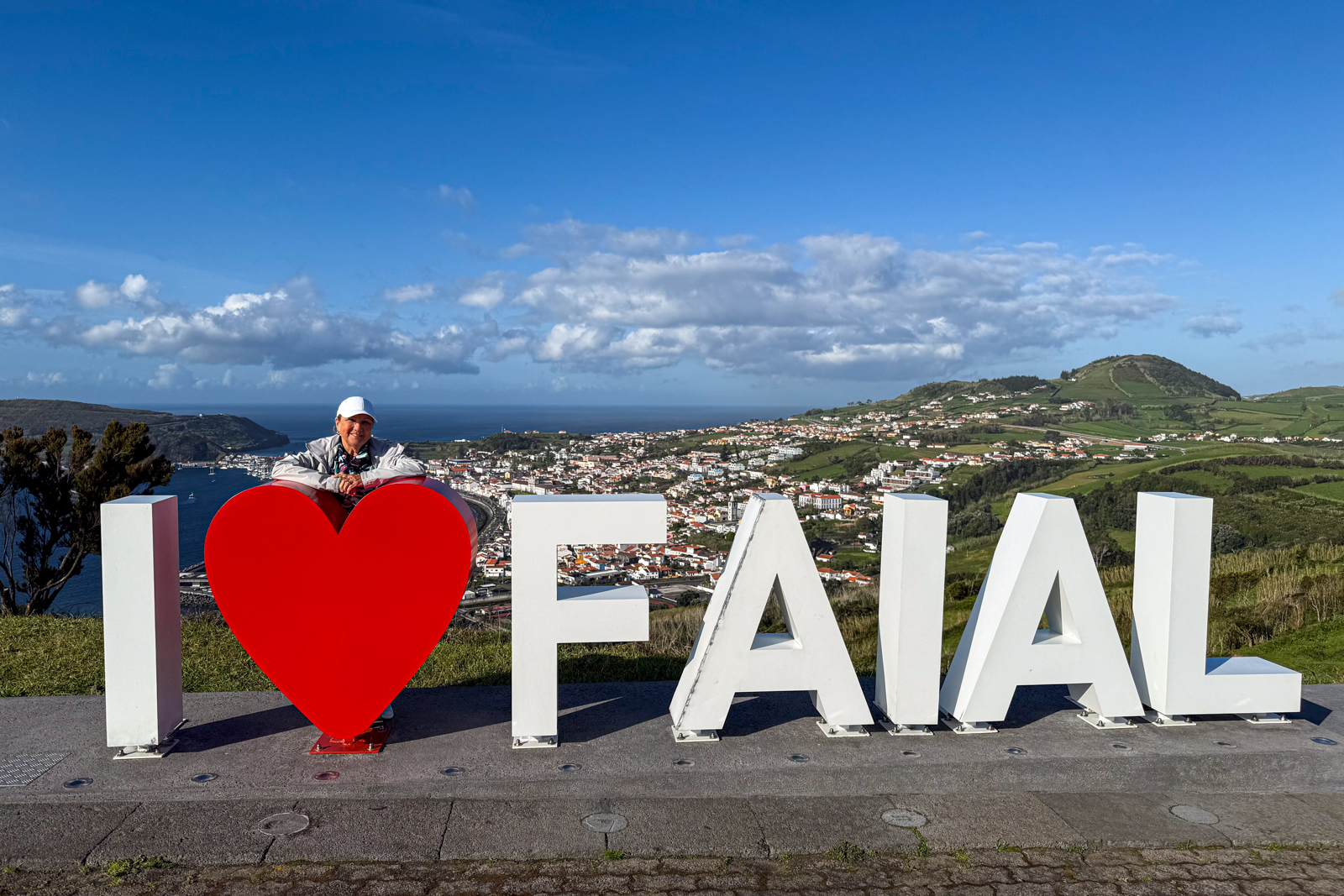
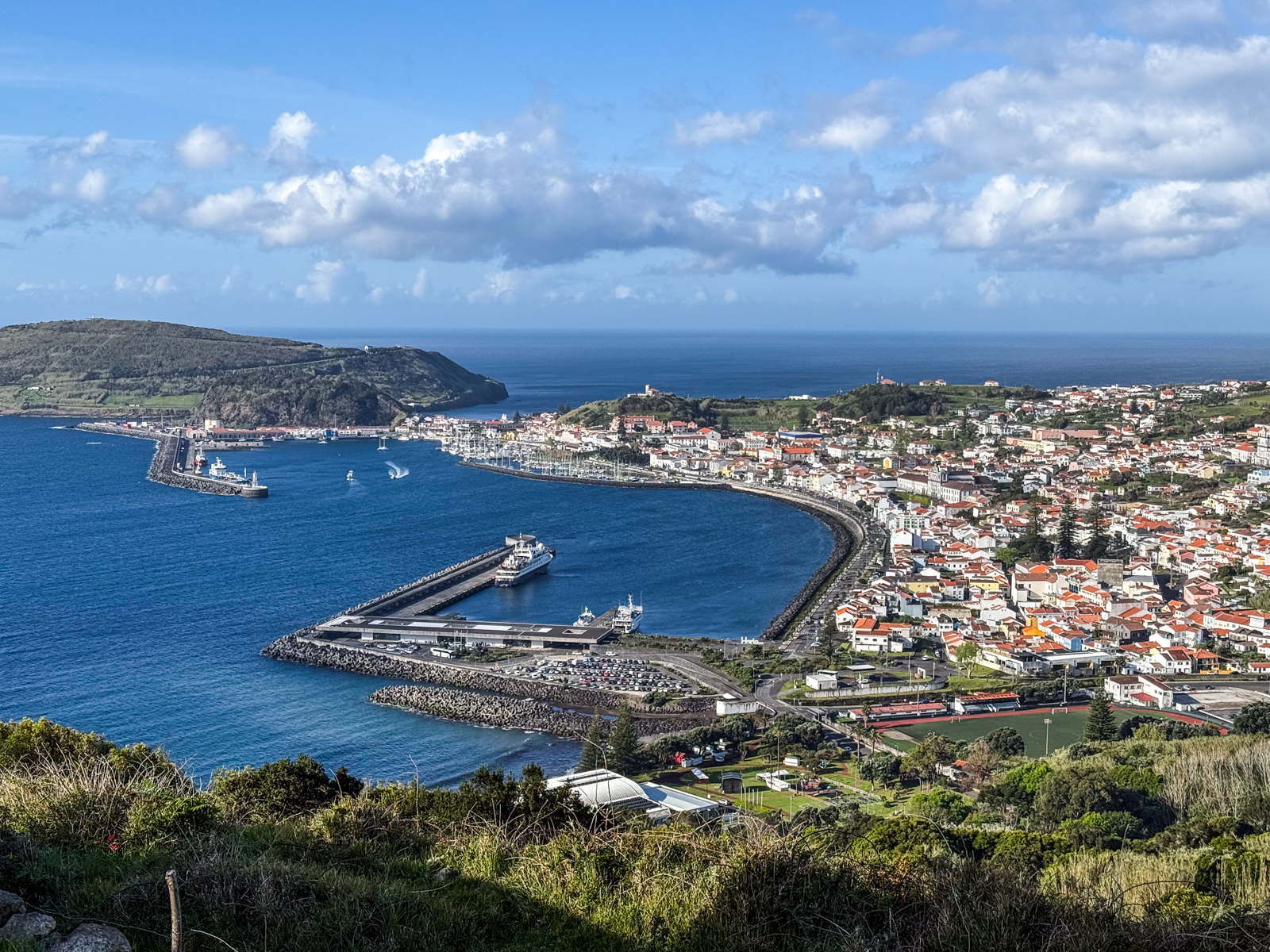
After a short cruise from Pico, we arrived at Horta Marina, a lively international gathering place for sailors and adventurers. Faial’s nickname comes from one of its most striking seasonal displays: in June and July, rows of blue hydrangeas bloom across the island in endless color.
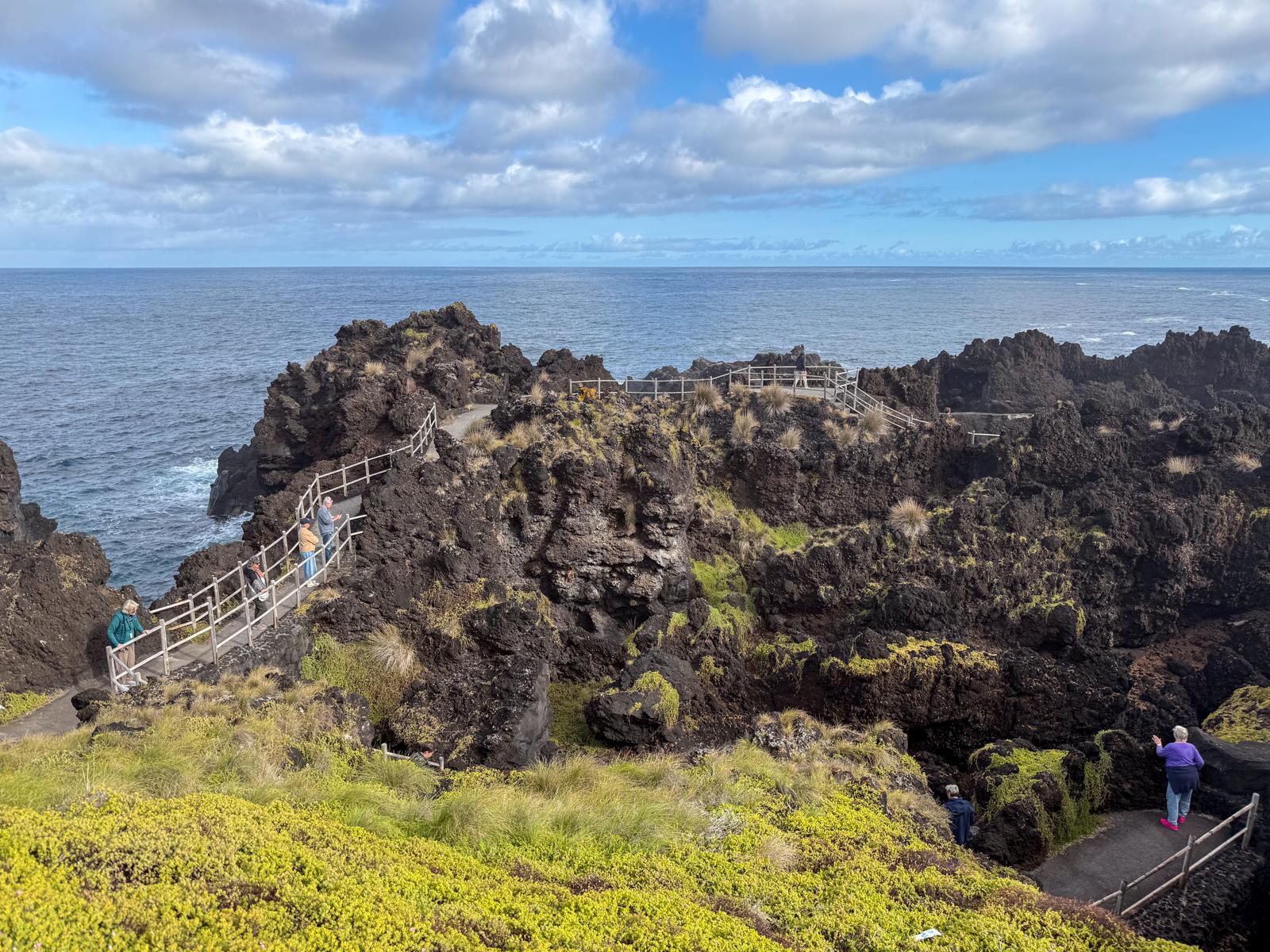
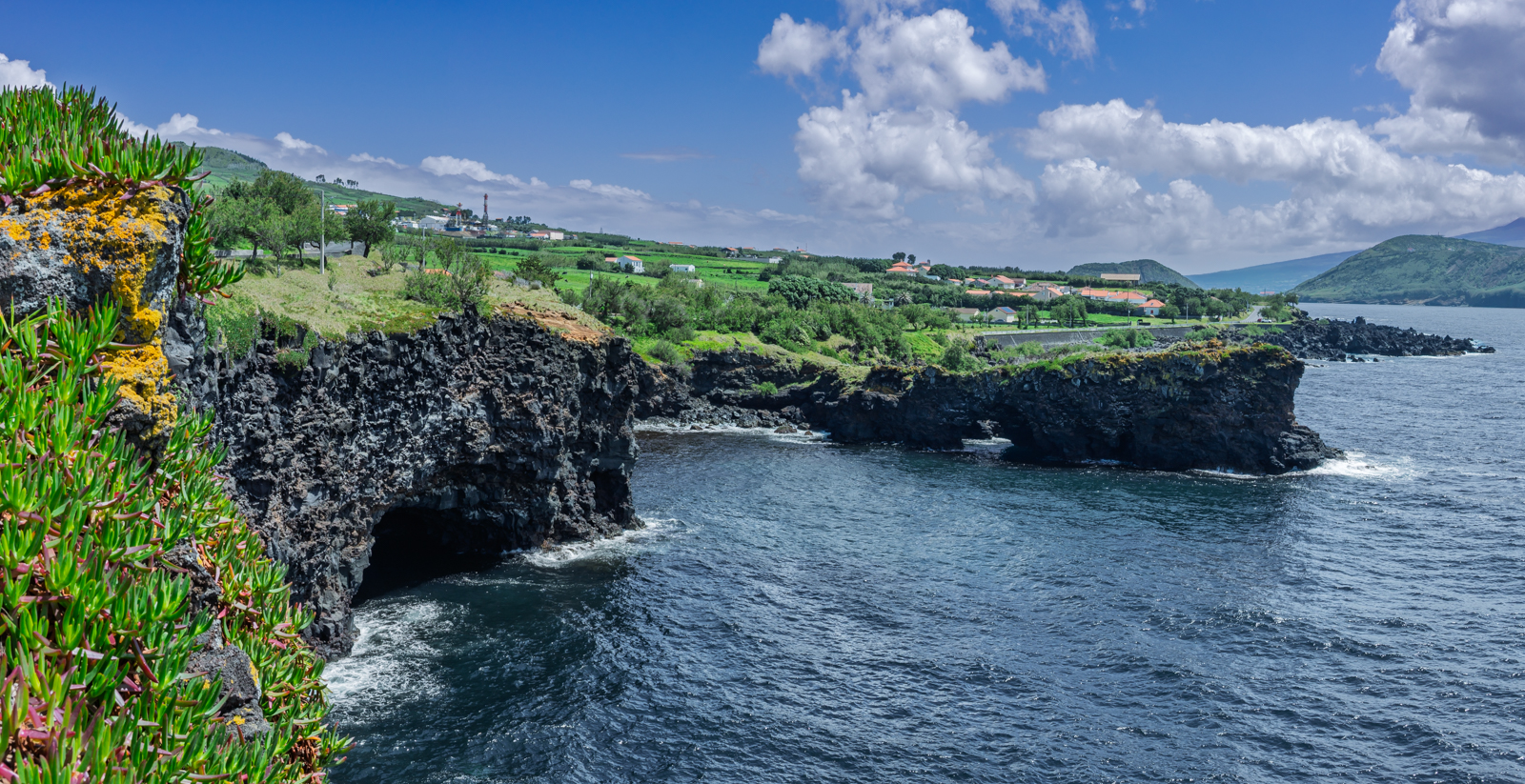
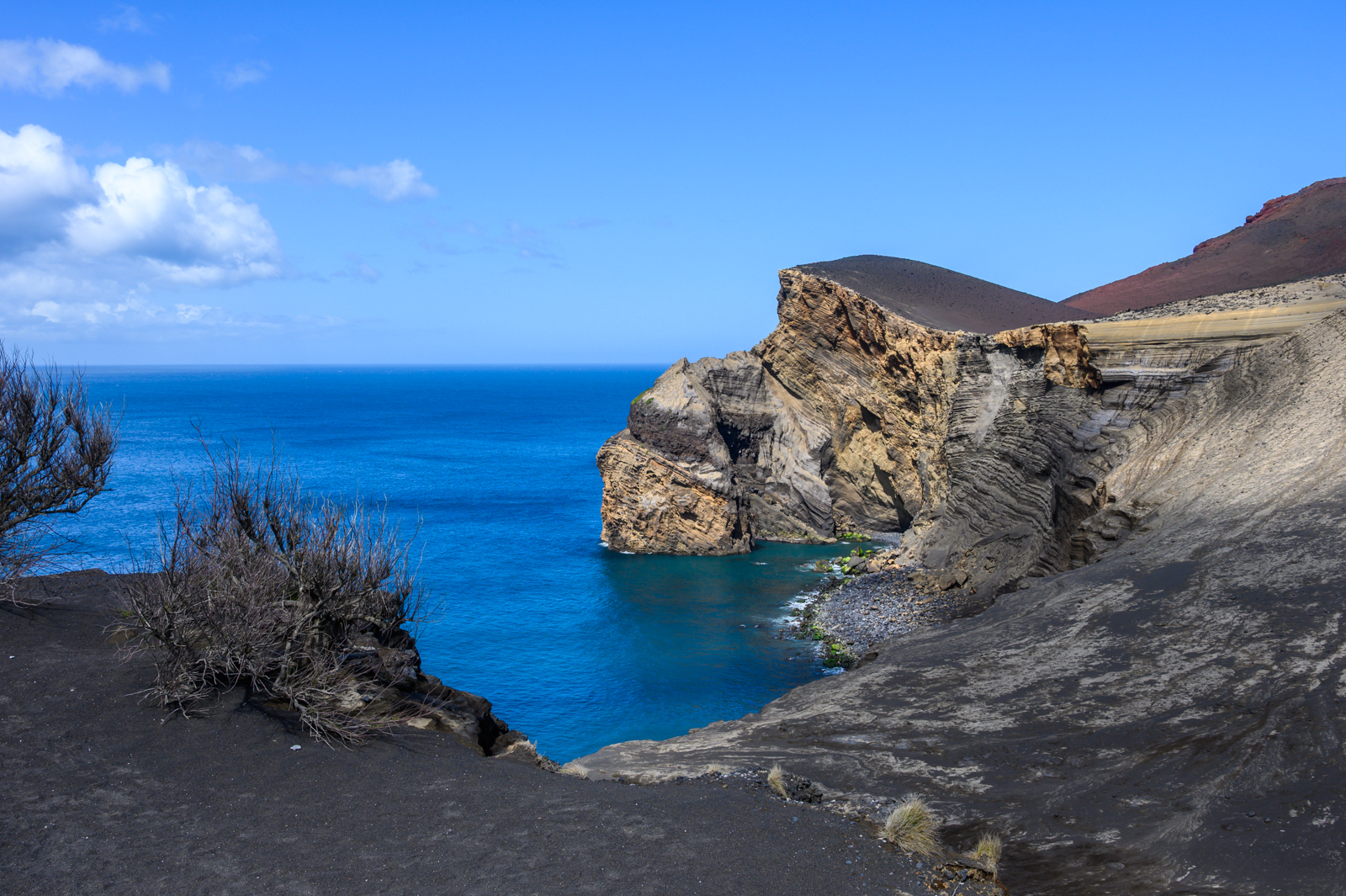
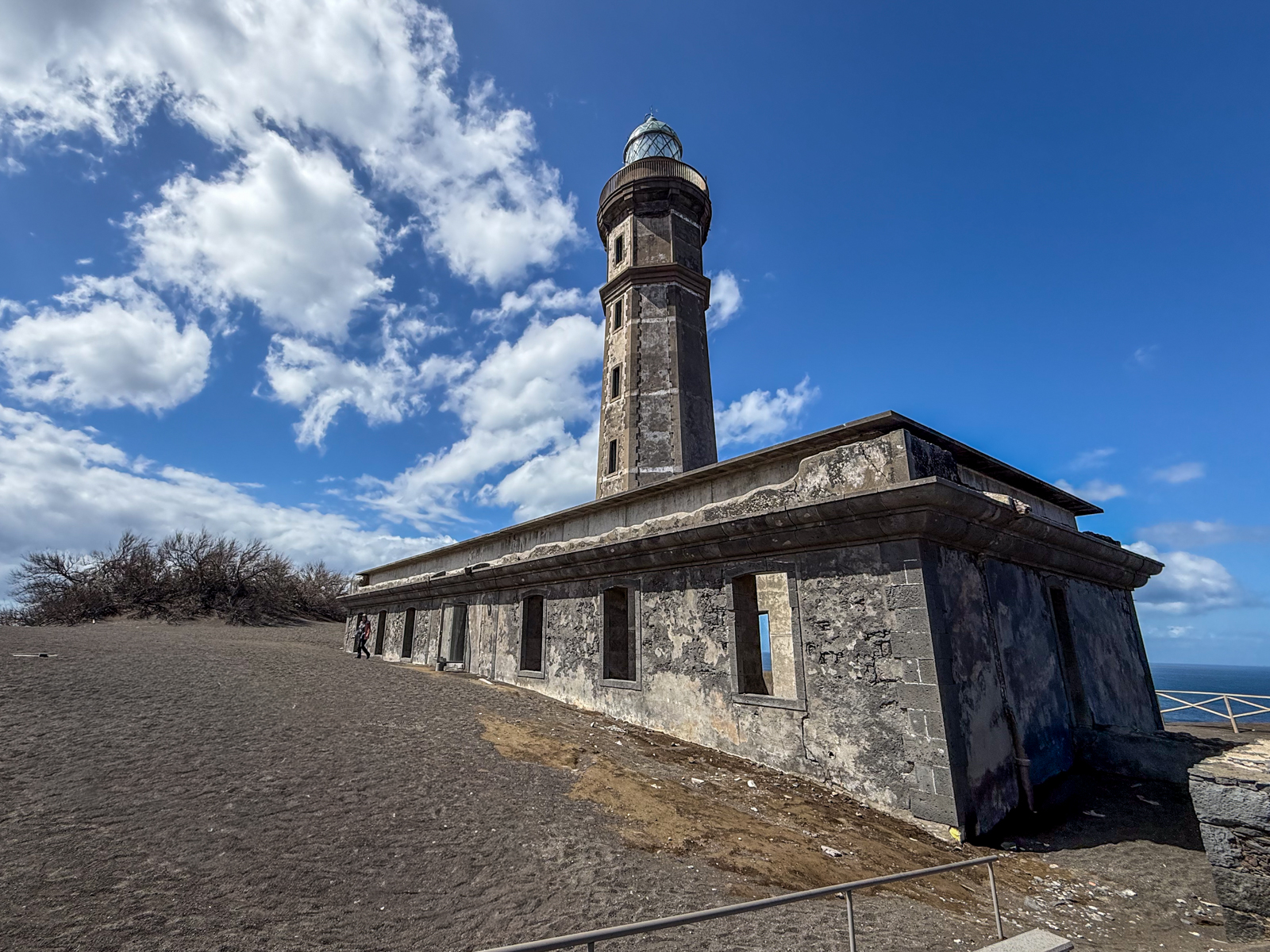
At the western tip of Faial, Capelinhos reveals a landscape dramatically reshaped by the 1957–1958 volcanic eruption, which partly buried the lighthouse on the cape. The eruption also created a new peninsula, making Capelinhos Portugal’s most recent piece of land and, geologically, the westernmost point of Europe.
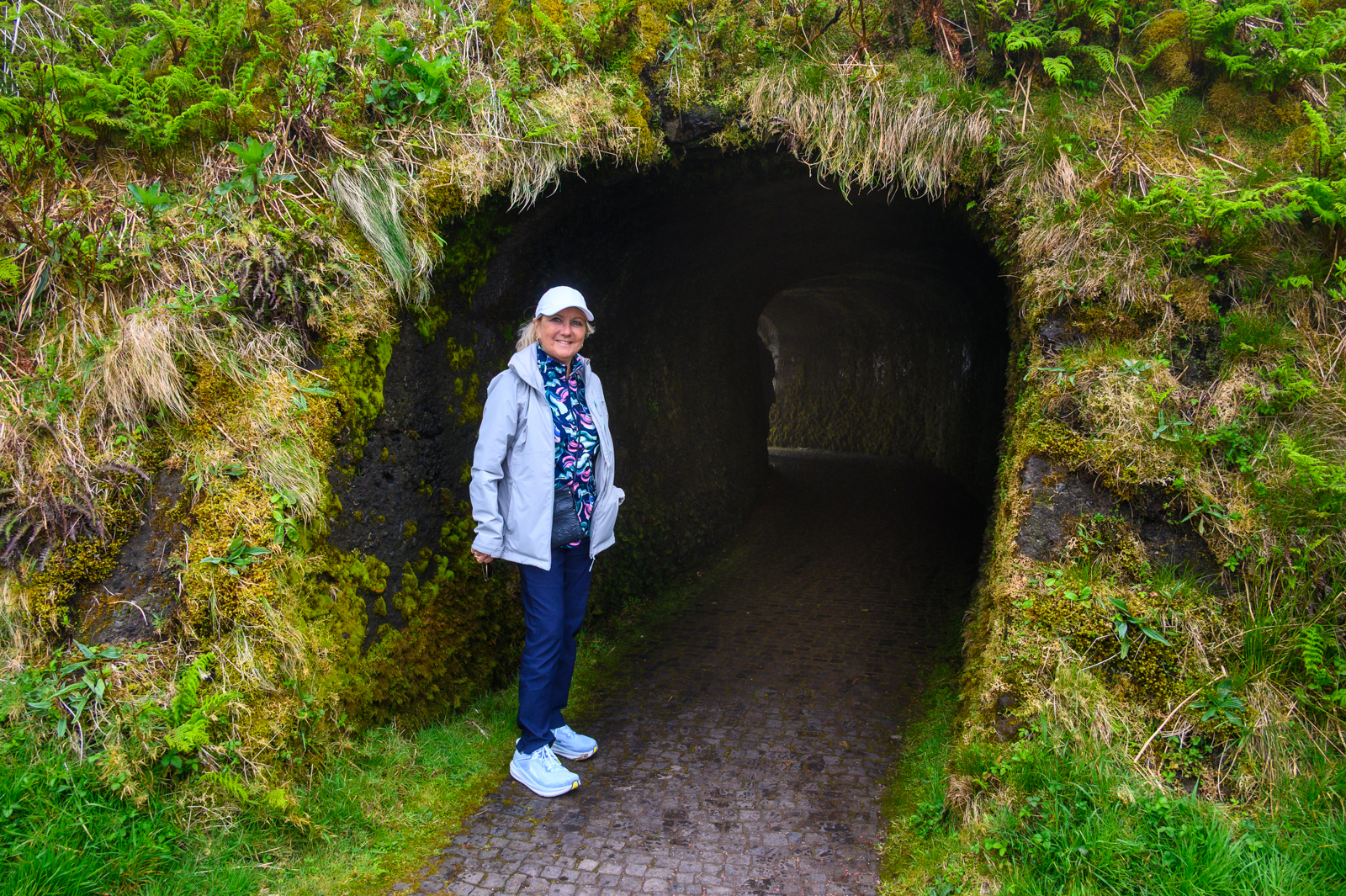
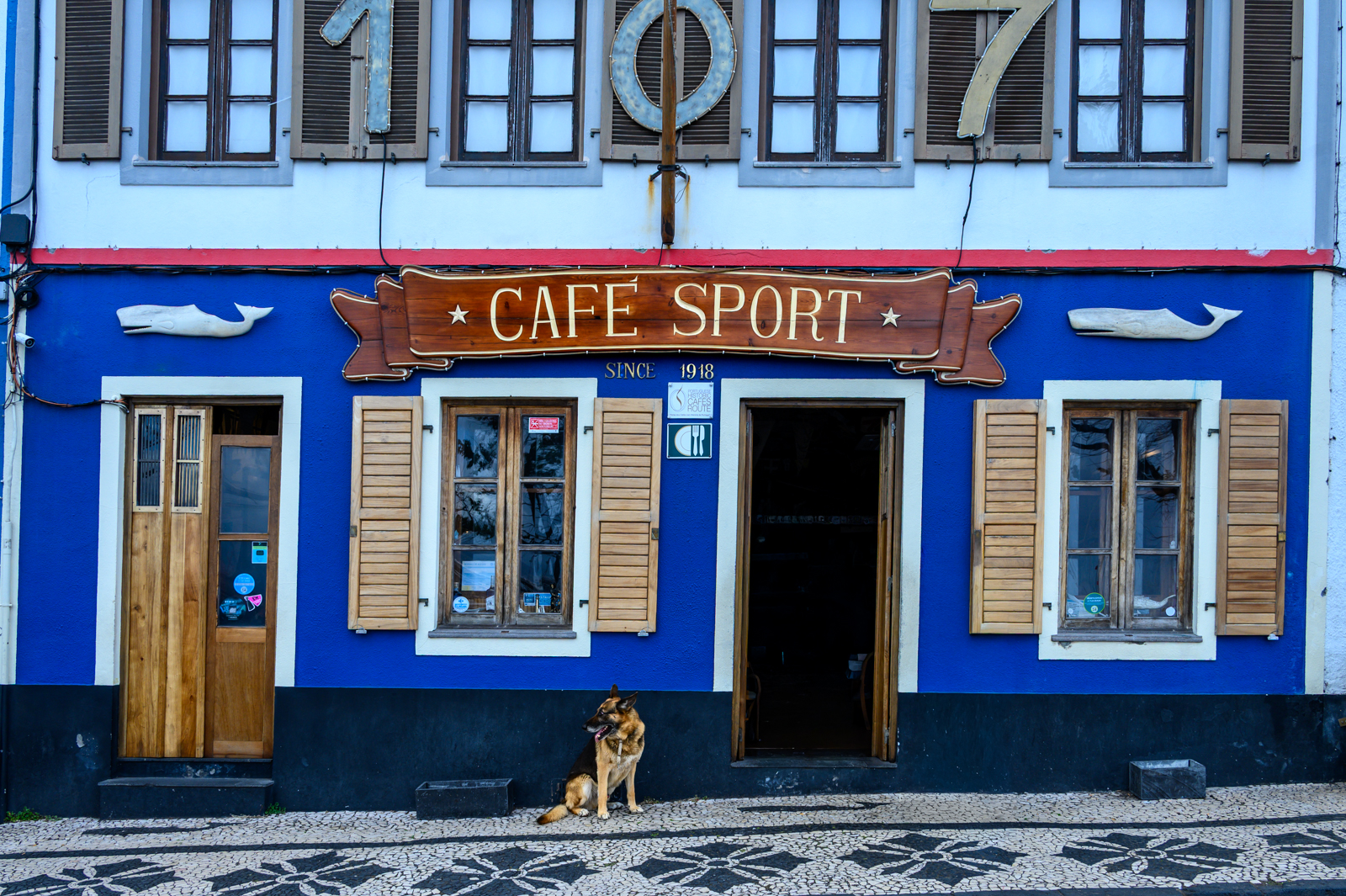
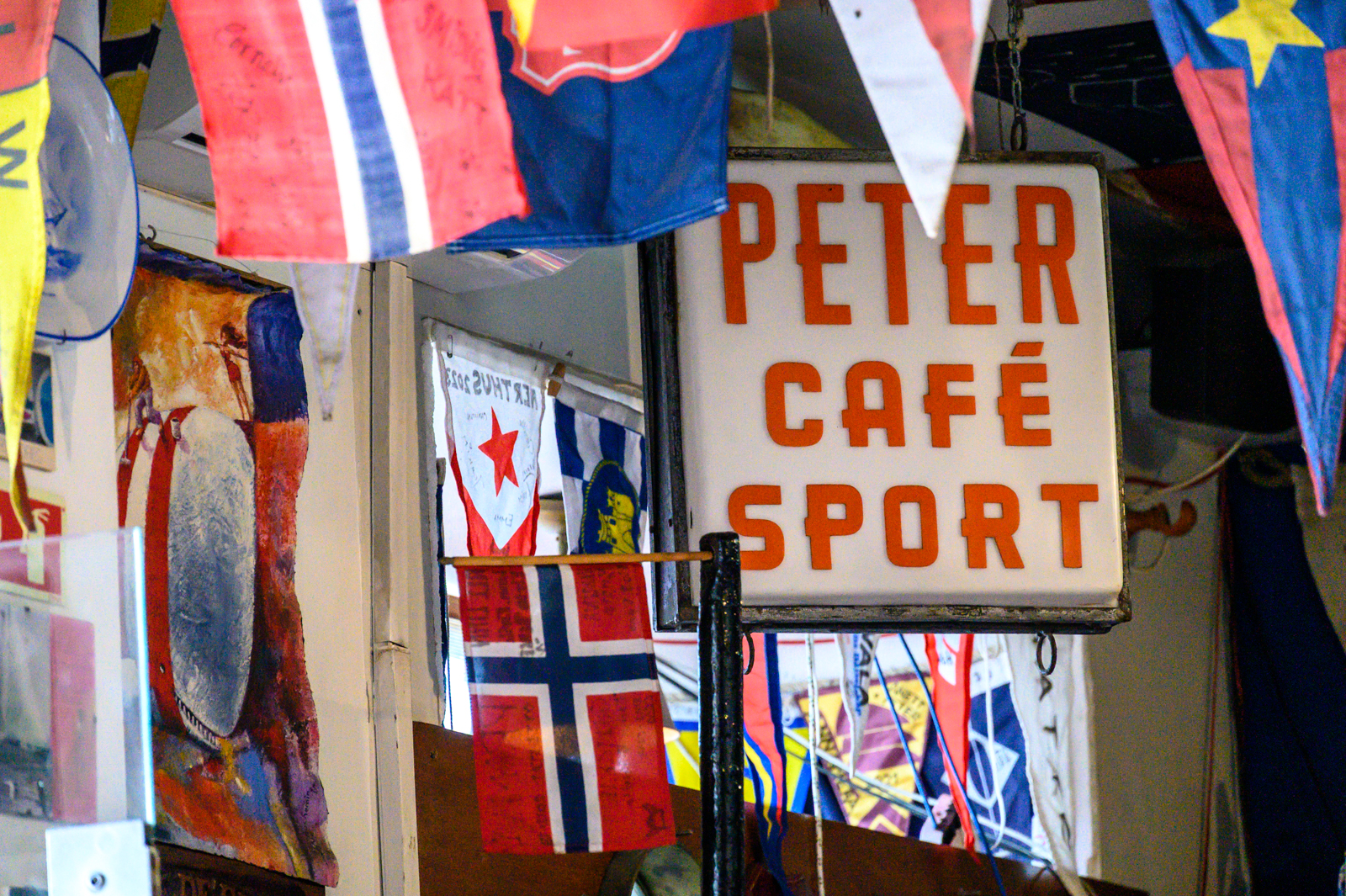
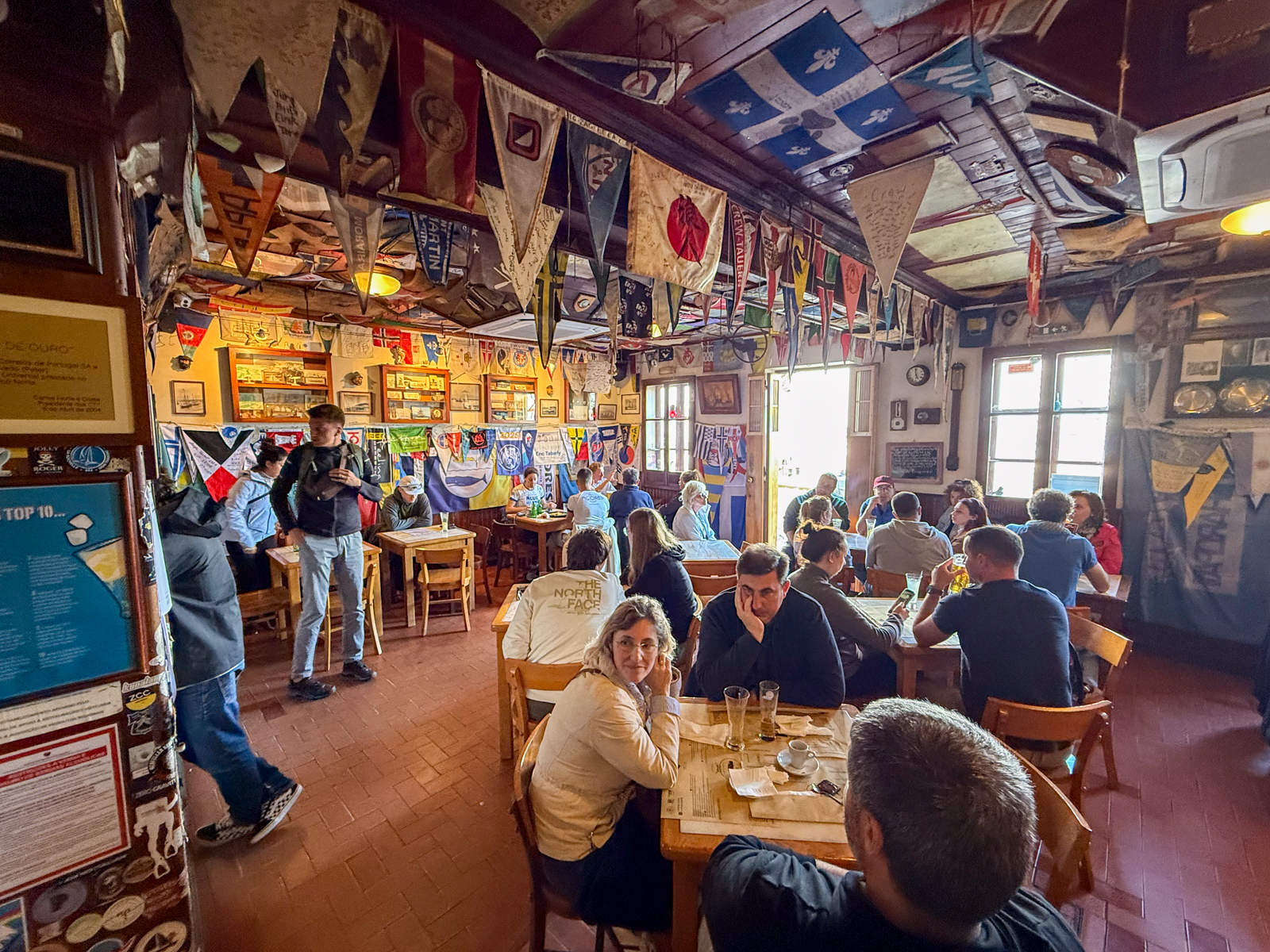
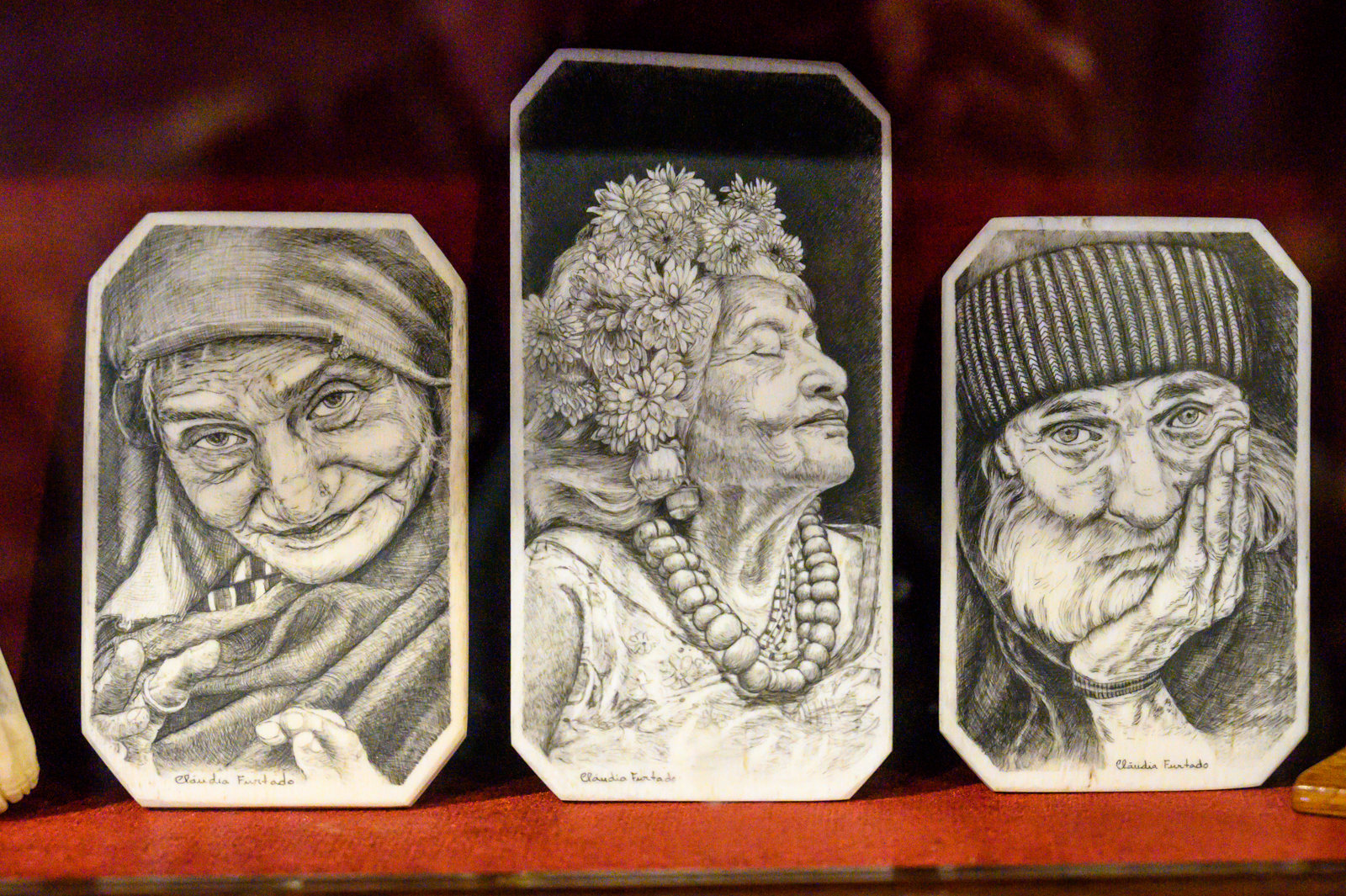
Faial left a lasting impression with its blend of dramatic volcanic geology and strong maritime tradition. In Horta, a visit to the iconic Peter Café Sport is a must. Located near the marina, this long-standing maritime institution has served sailors for more than a century as both a café and an informal information exchange. If you visit, be sure to sample its famous gin and tonic, and make sure you see the fascinating scrimshaw museum upstairs.
Faial
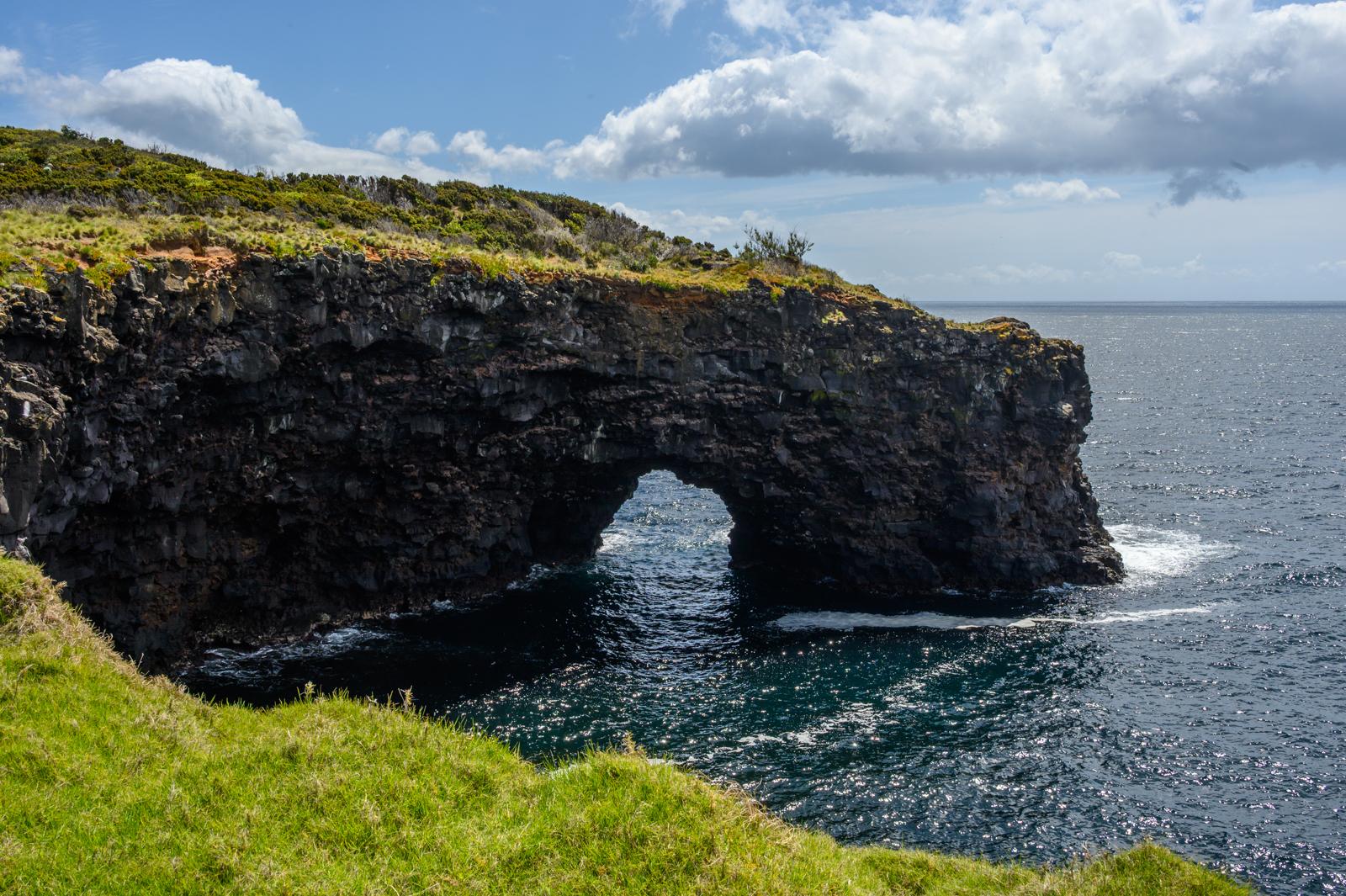
Horta – Peter Cafe Sport
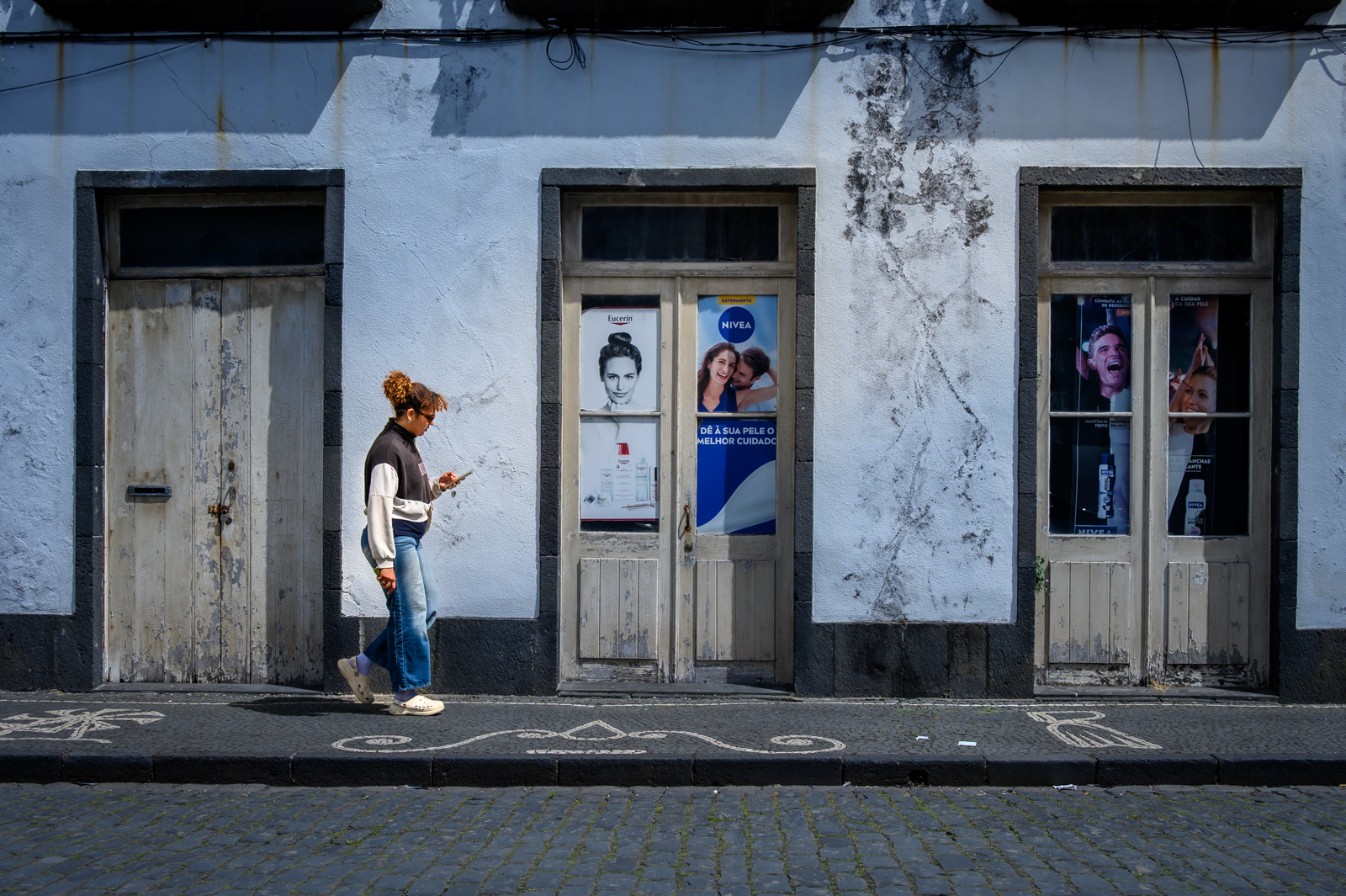
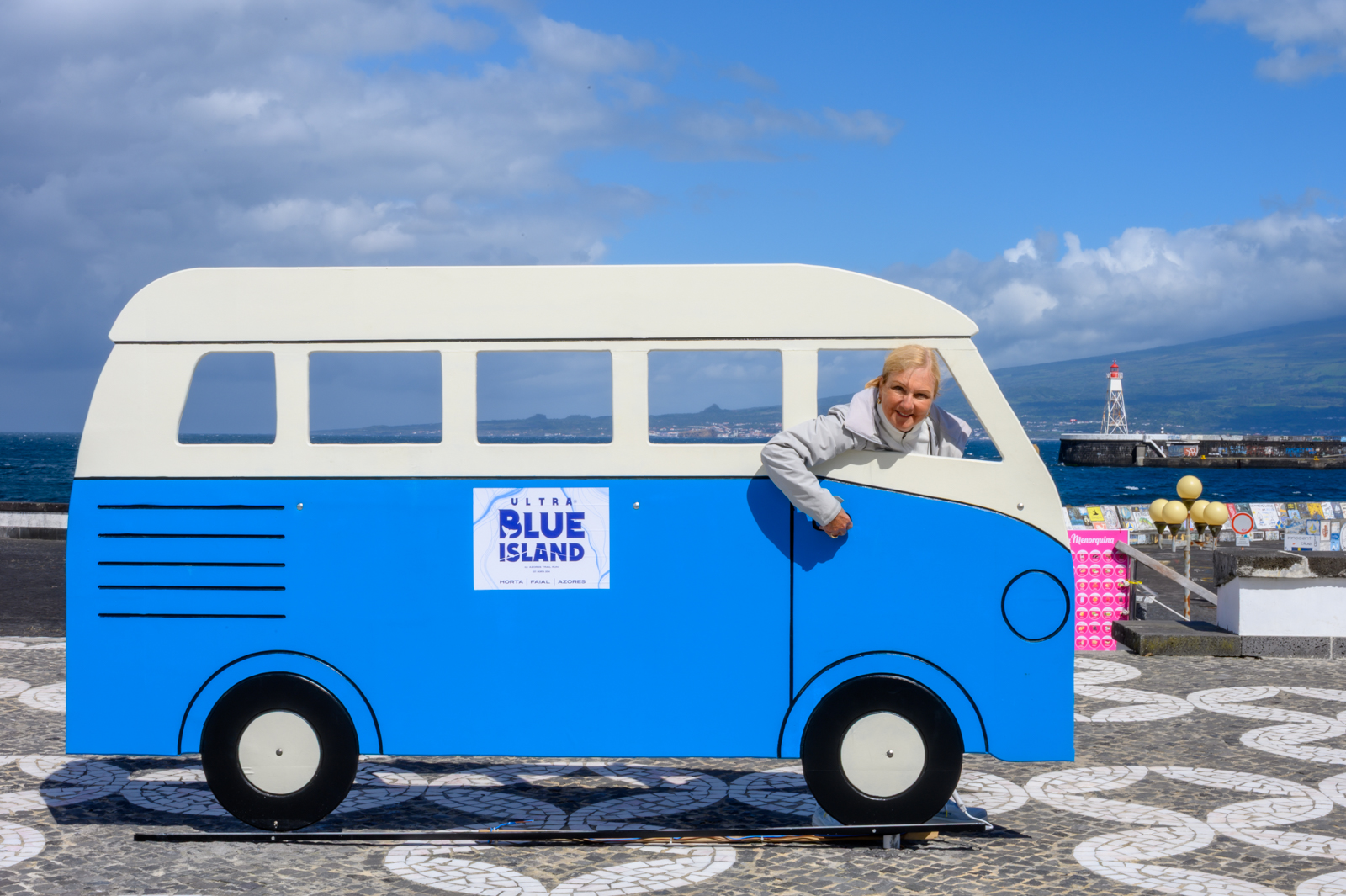
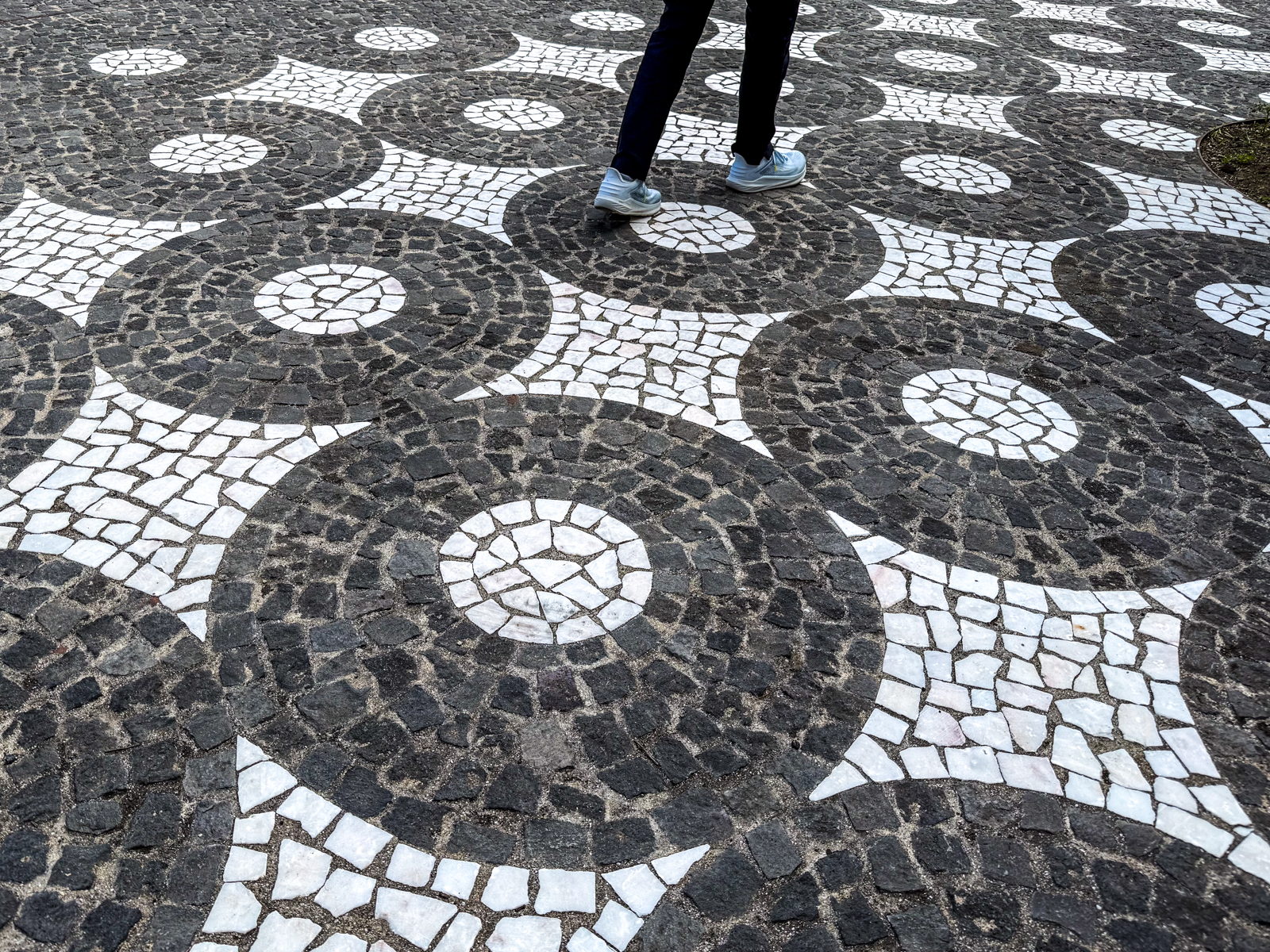

Capelinhos
São Jorge: The Dragon Island
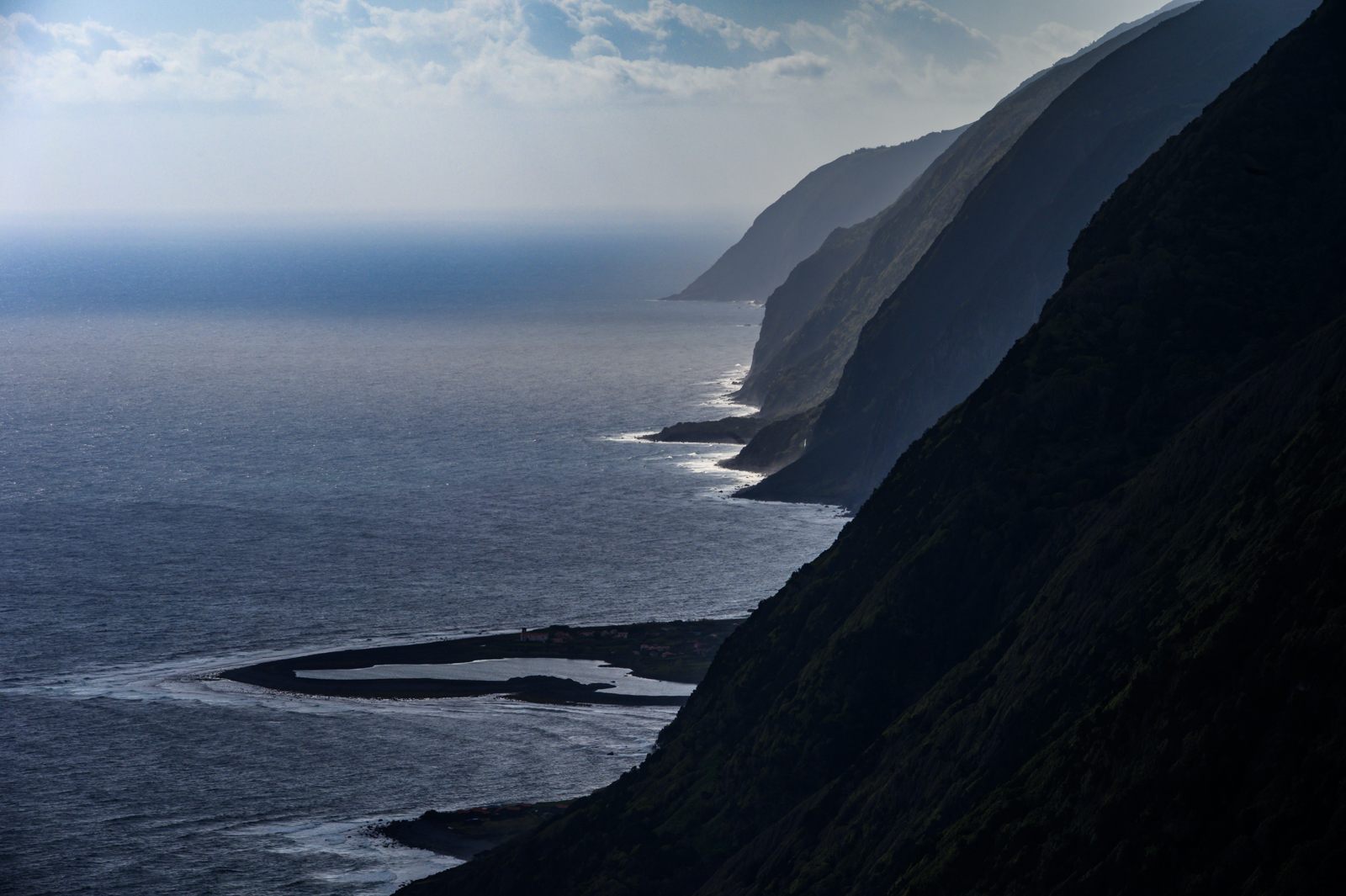
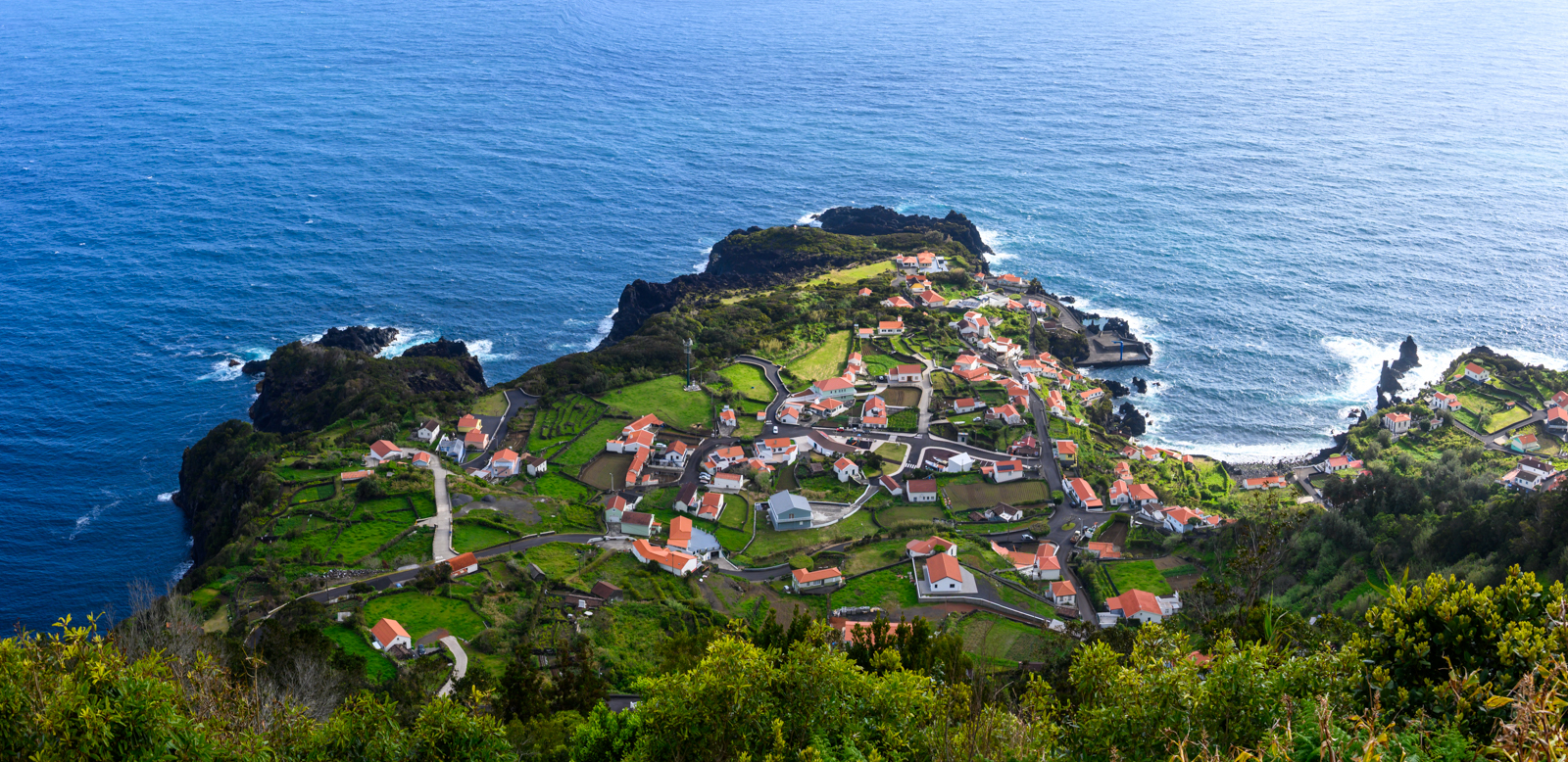
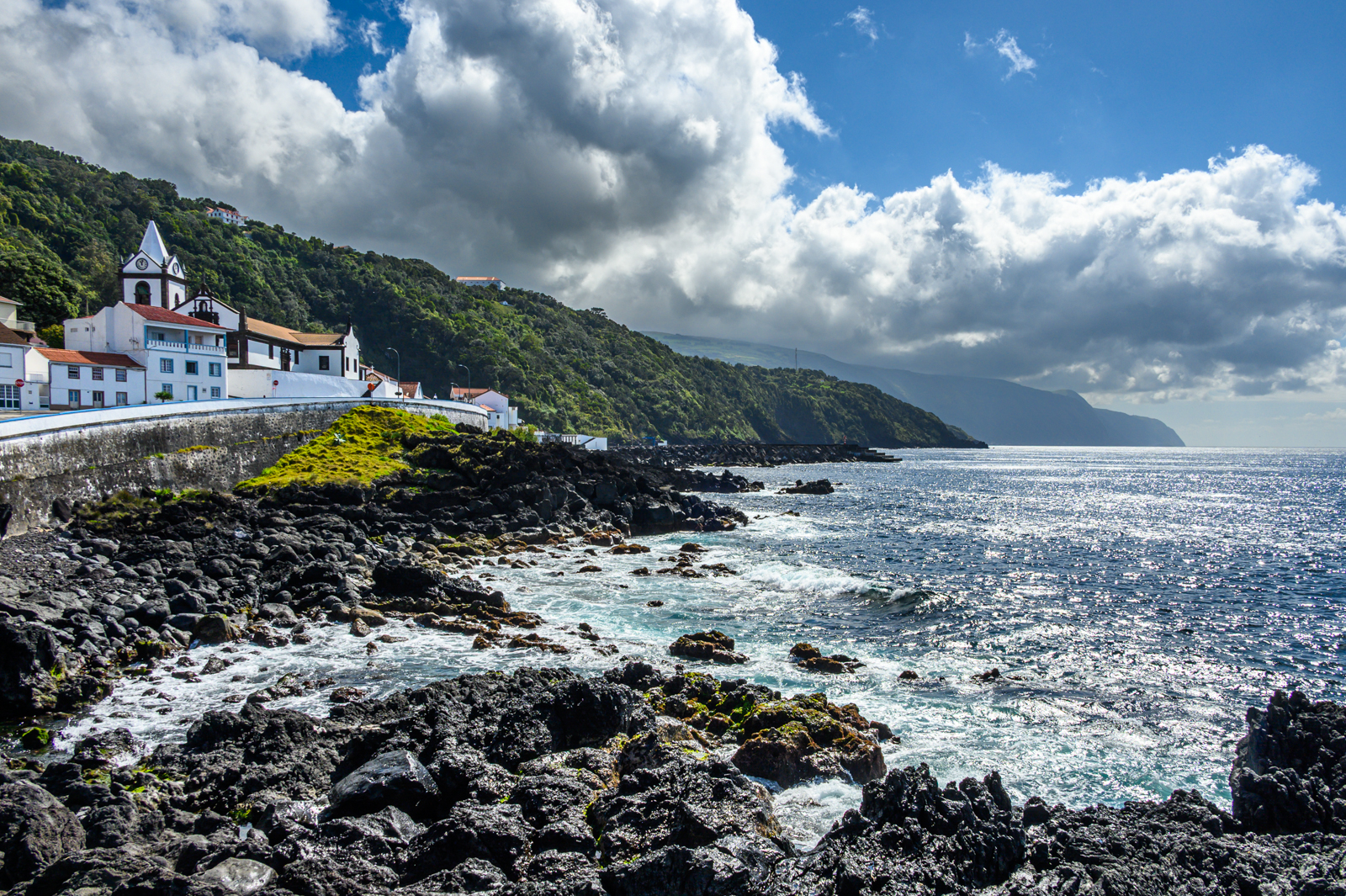
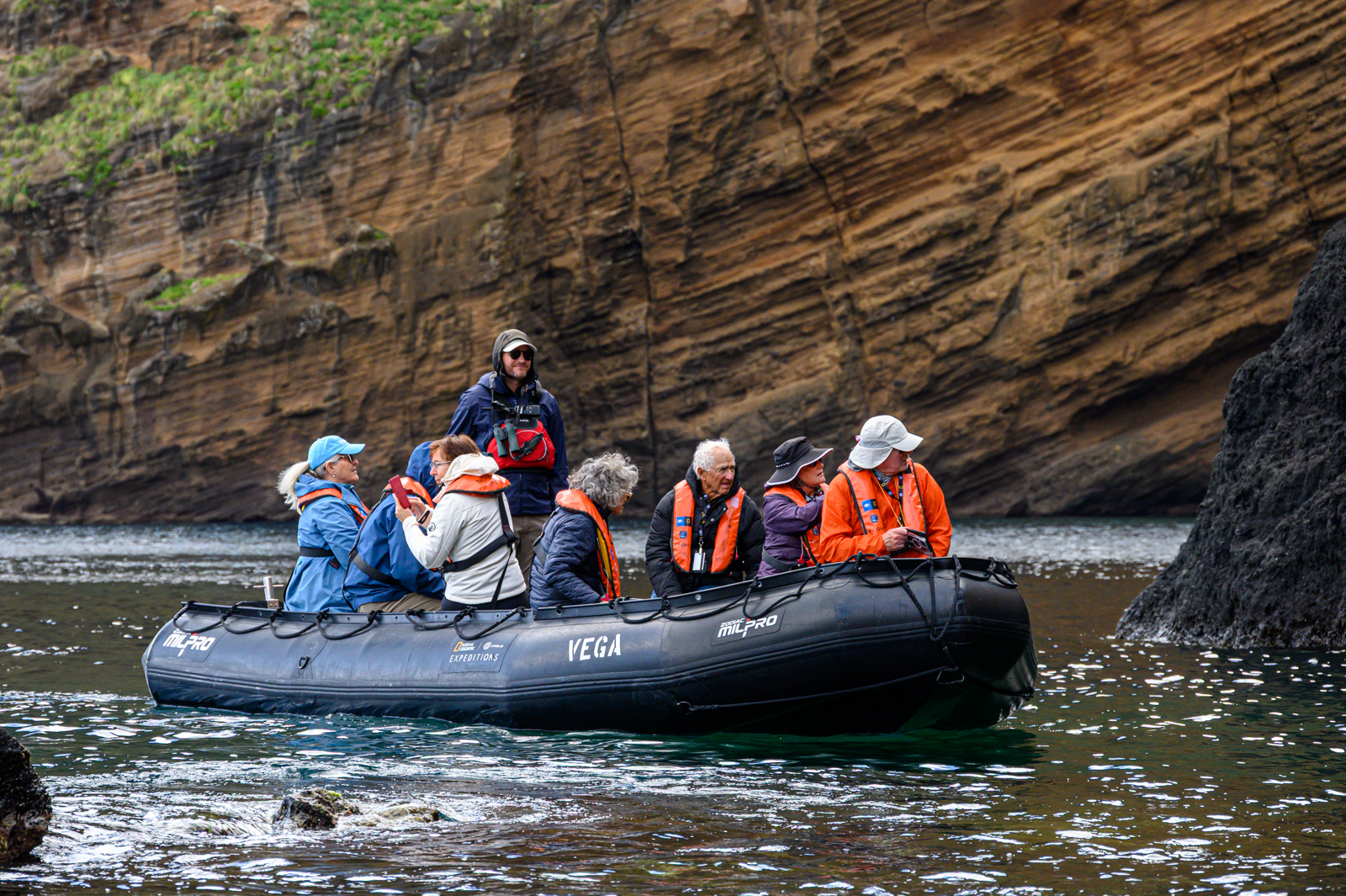
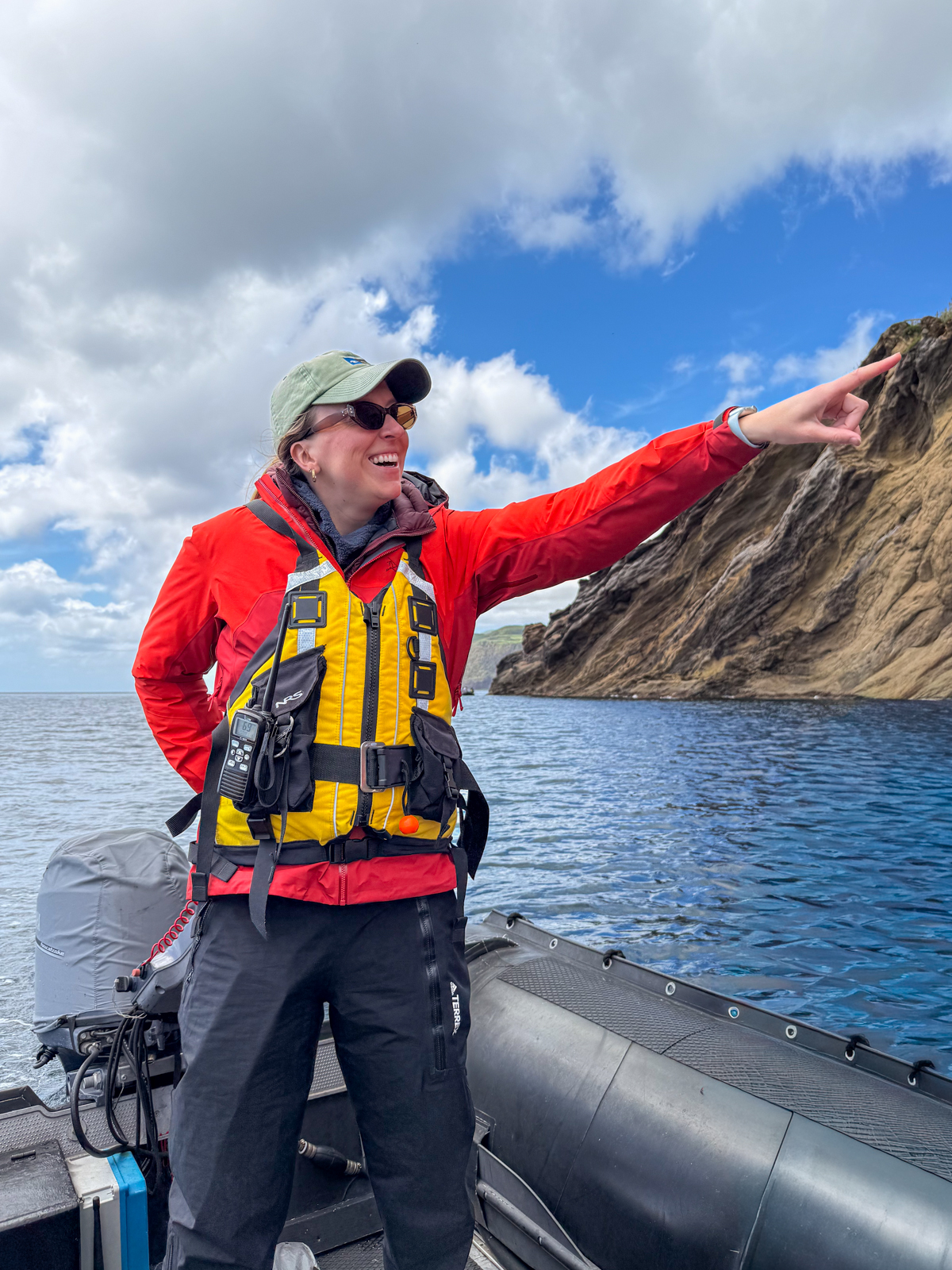
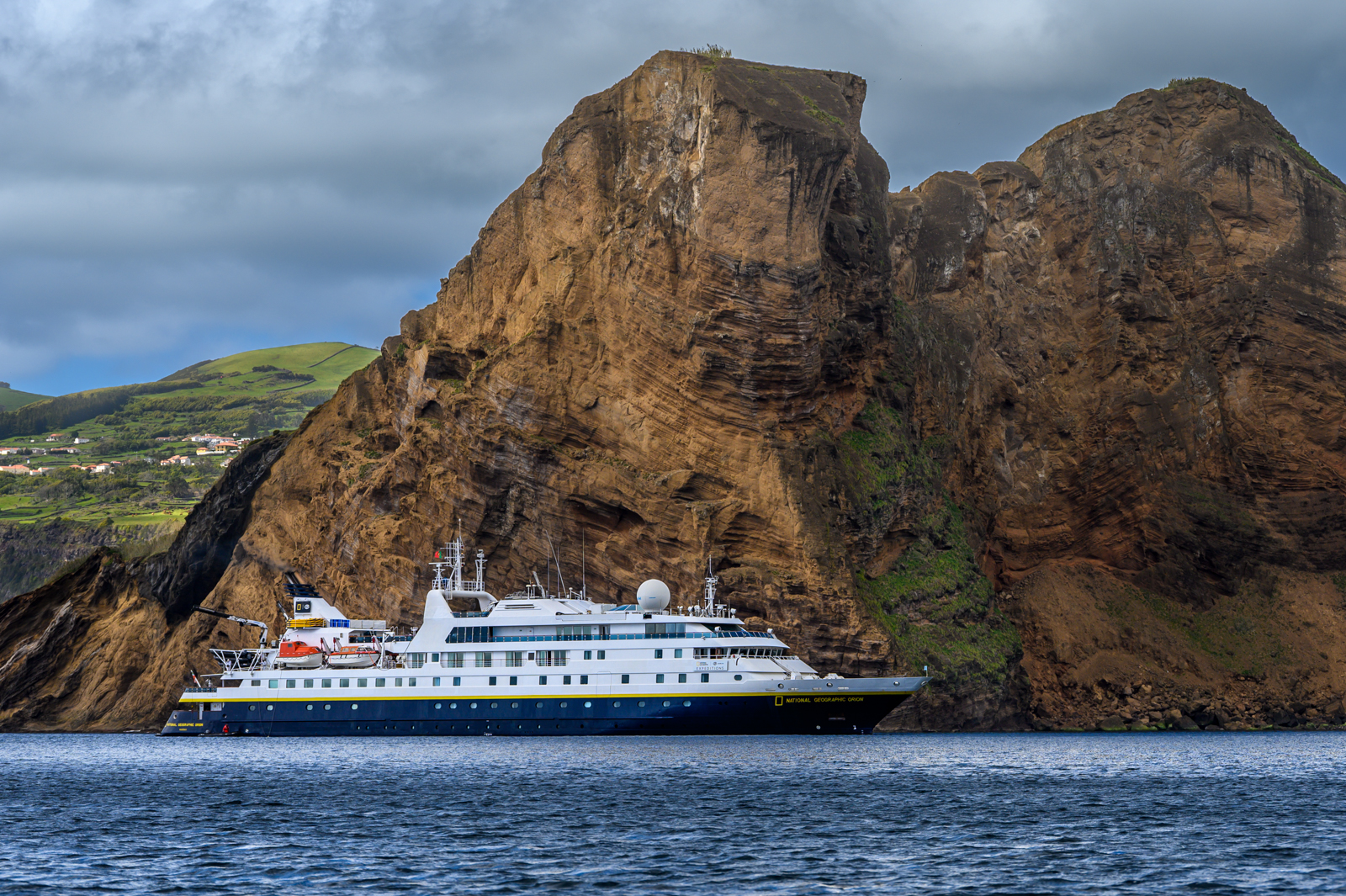
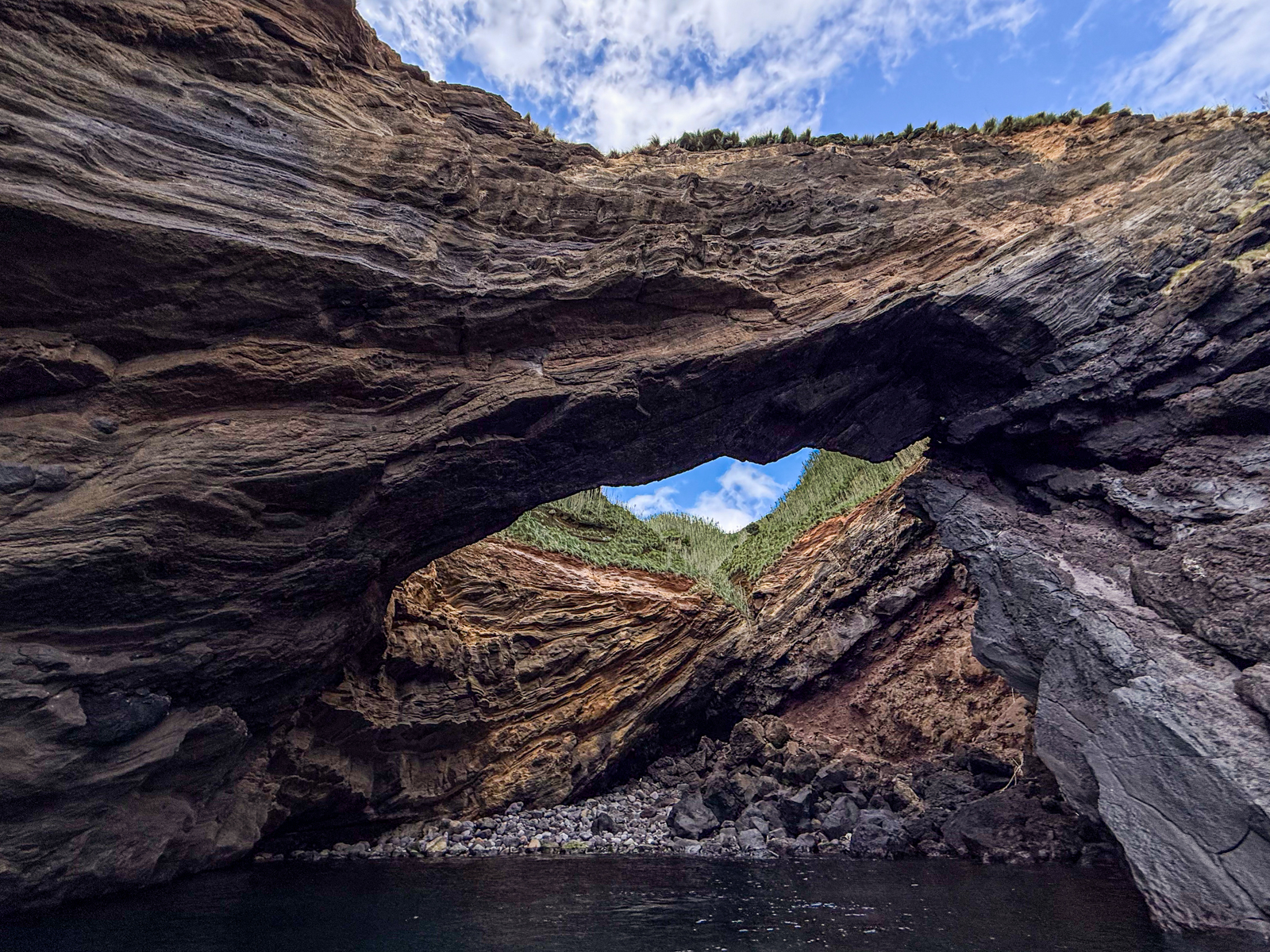
São Jorge’s dramatic landscape is shaped by a high central ridge, where steep cliffs drop toward the sea and give way to small coastal plains known as fajãs. The highlight of our visit was exploring part of this rugged coastline by Zodiac, launched from the National Geographic Orion.
Sao Jorge
Terceira: The Lilac Island
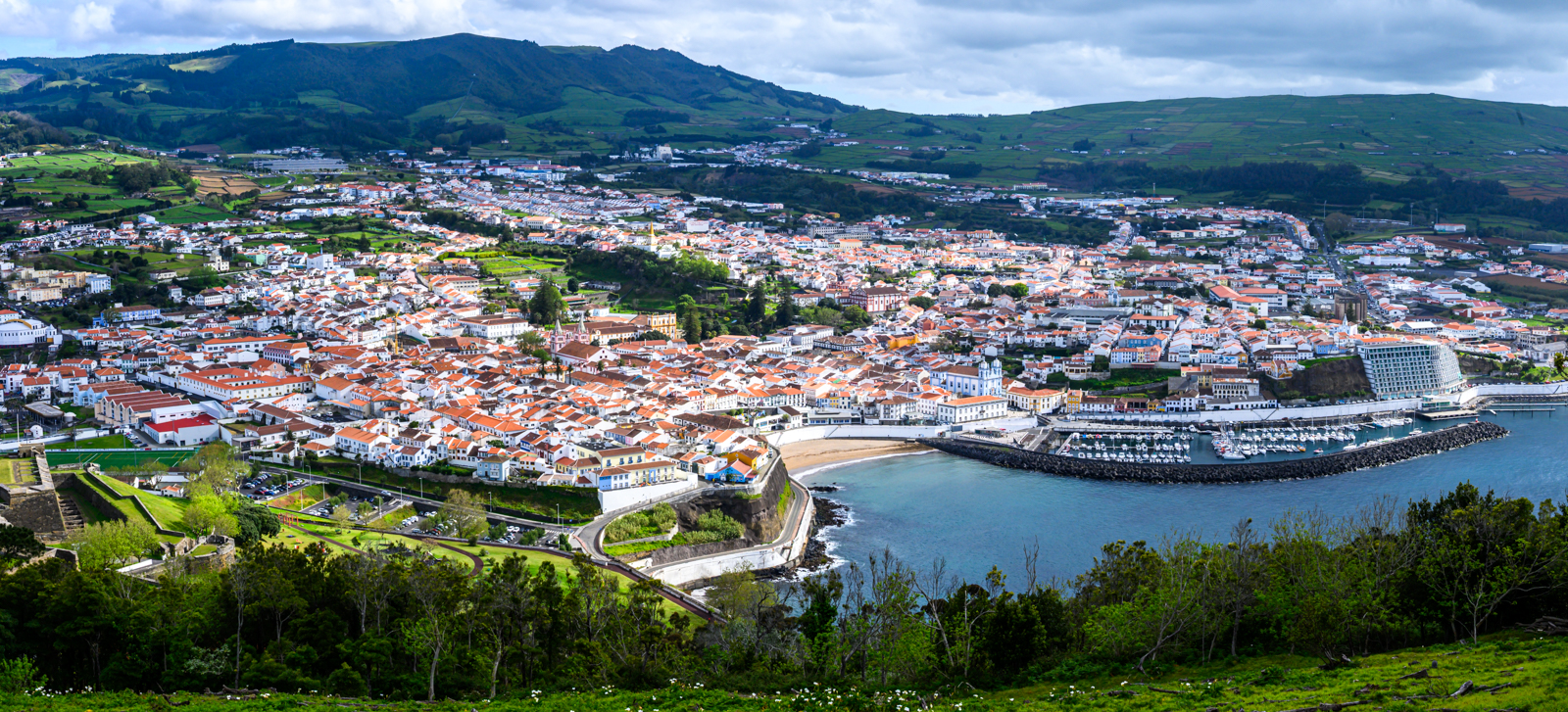
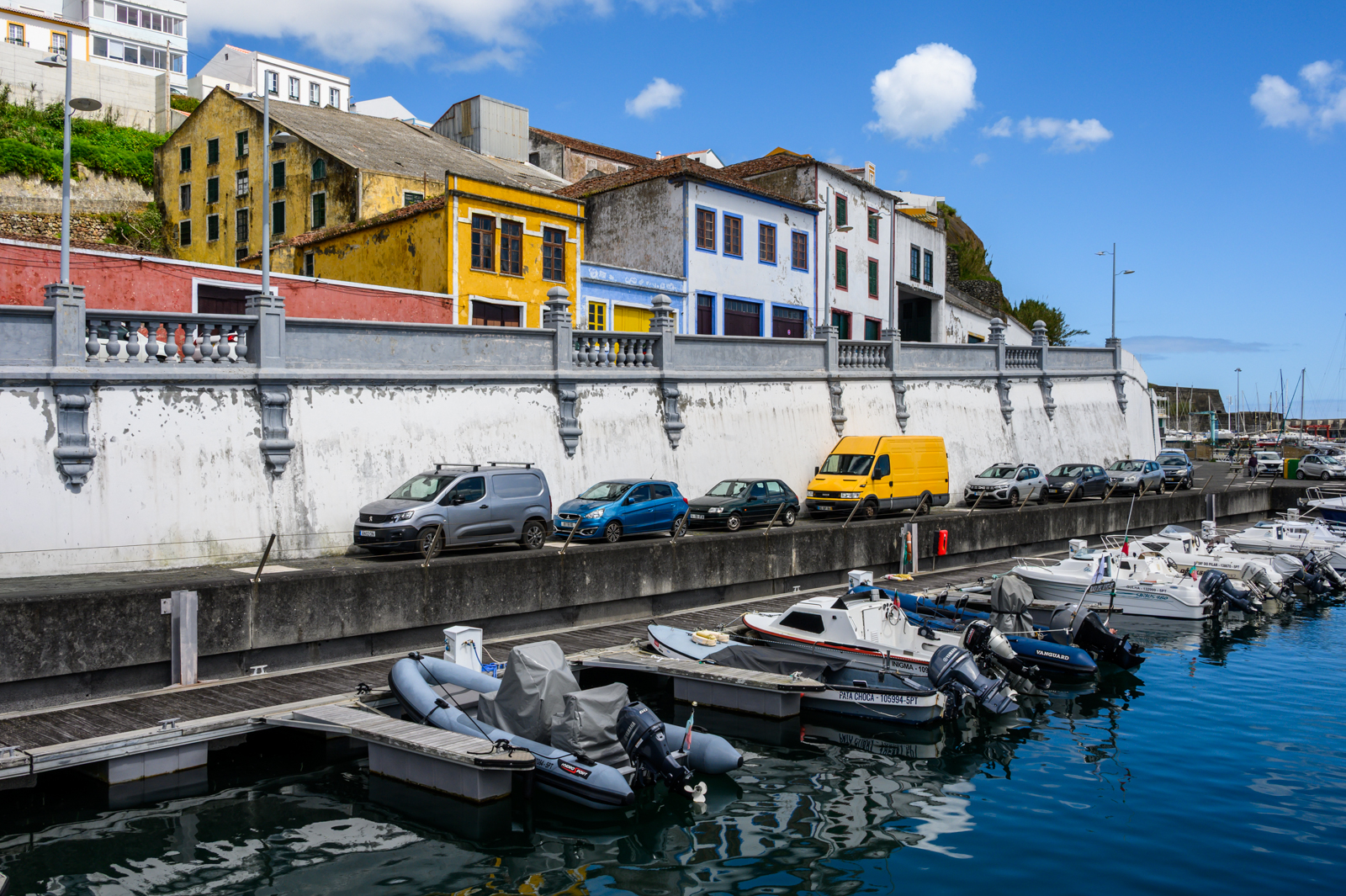
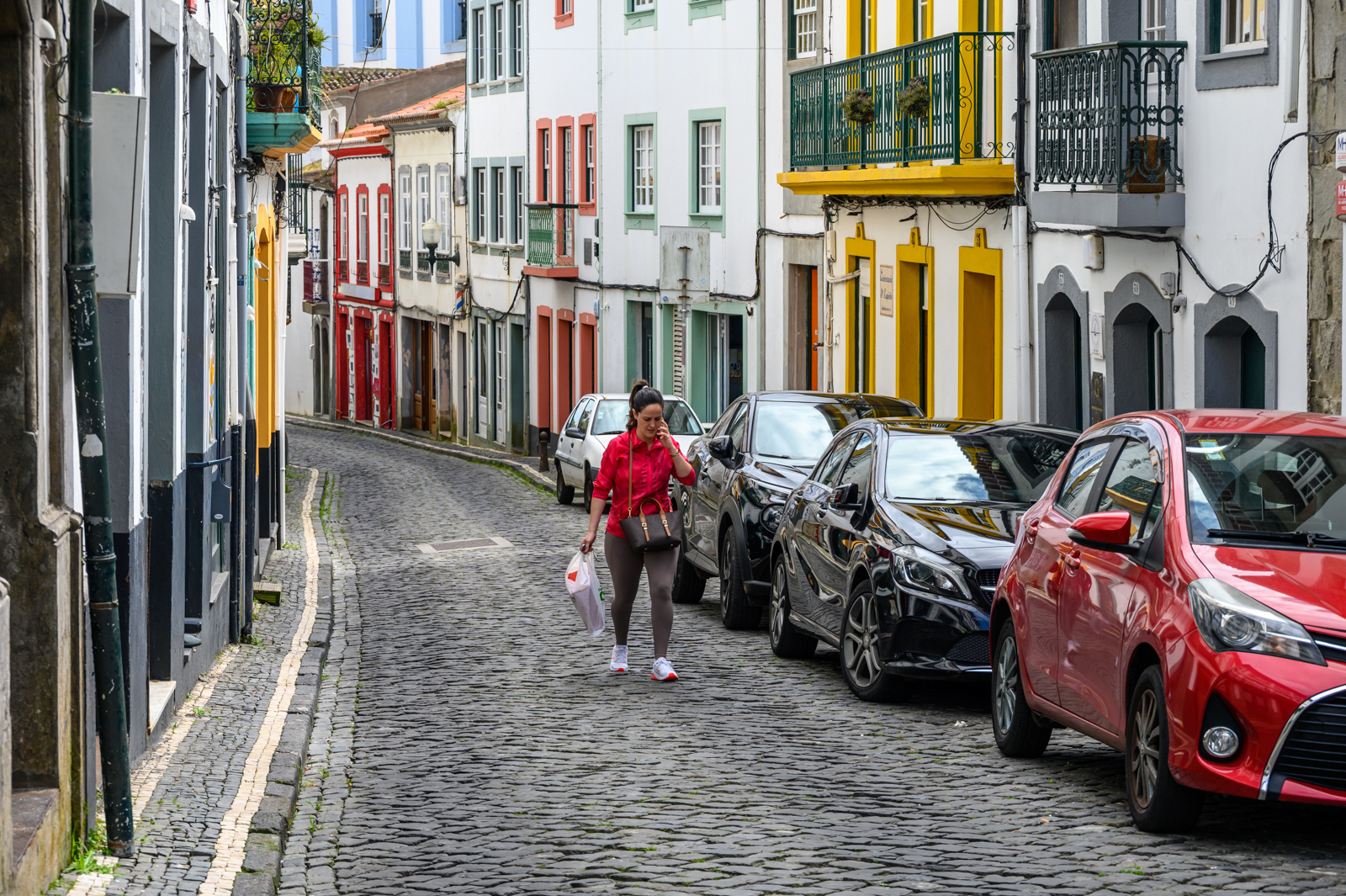
Our final island port of call before returning to Ponta Delgada was Angra do Heroísmo on Terceira, often celebrated as the historic heart of the Azores archipelago. This sprawling city is widely regarded as the island’s crown jewel and has earned recognition as a UNESCO World Heritage site.
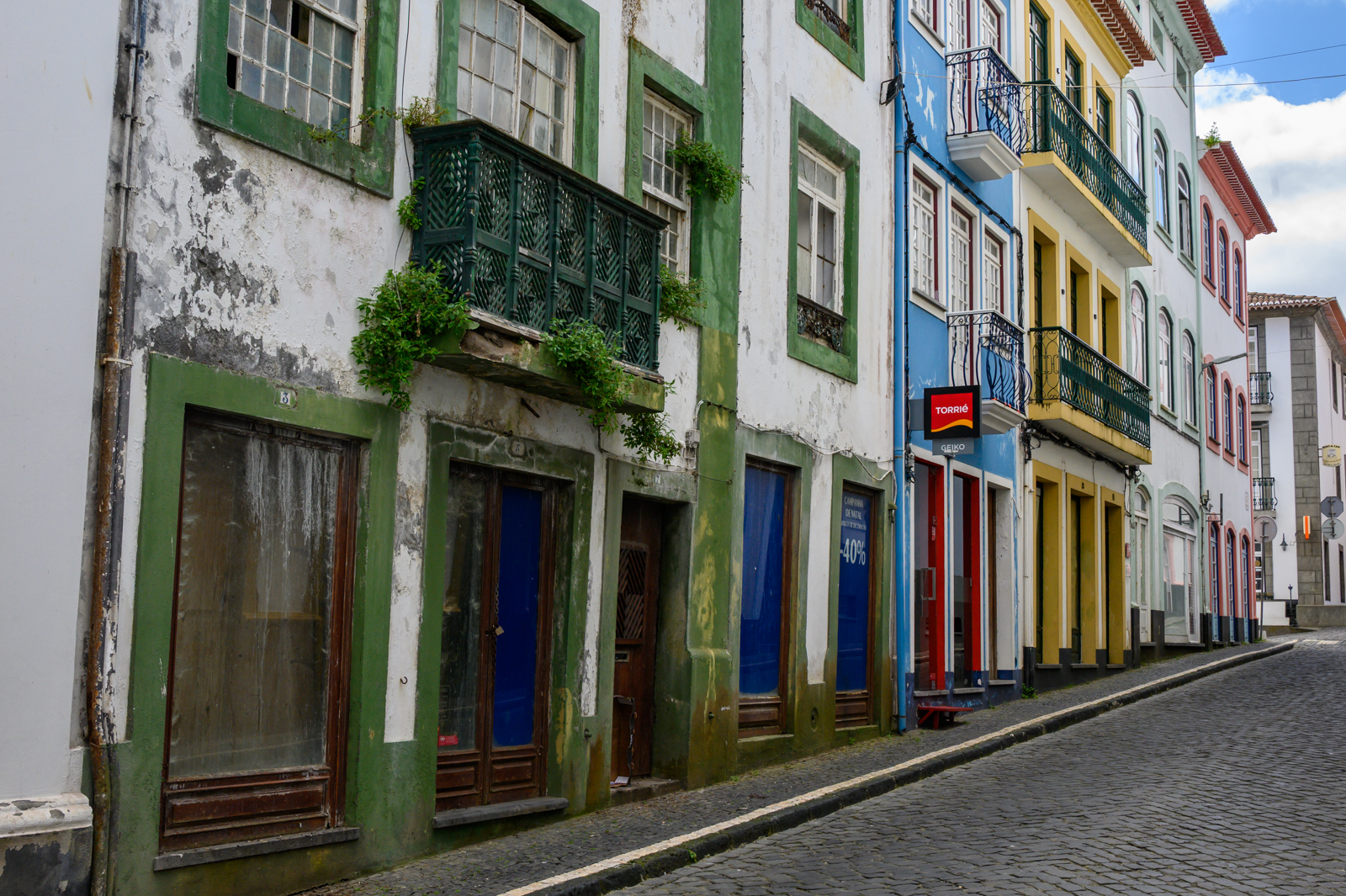
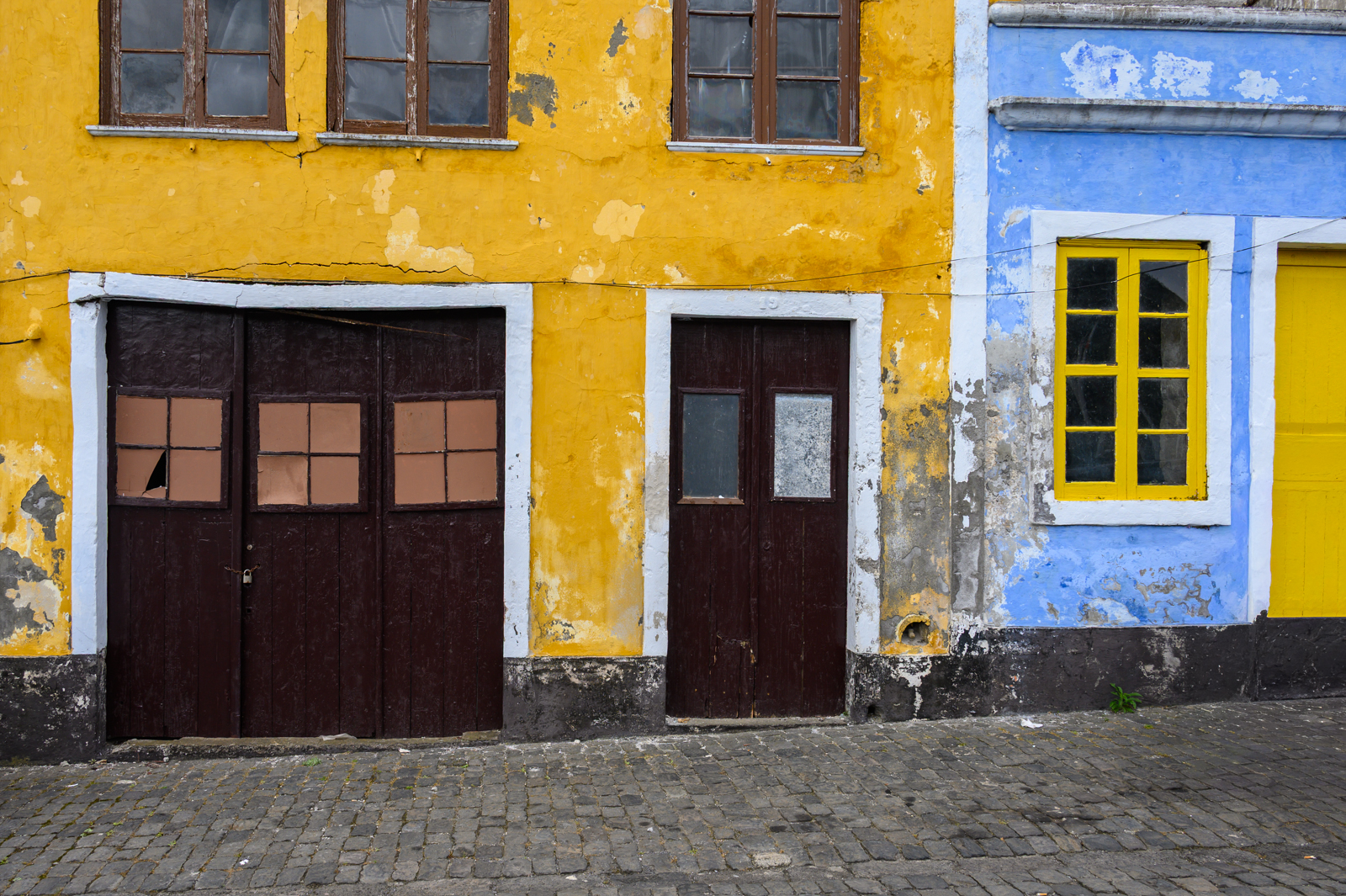
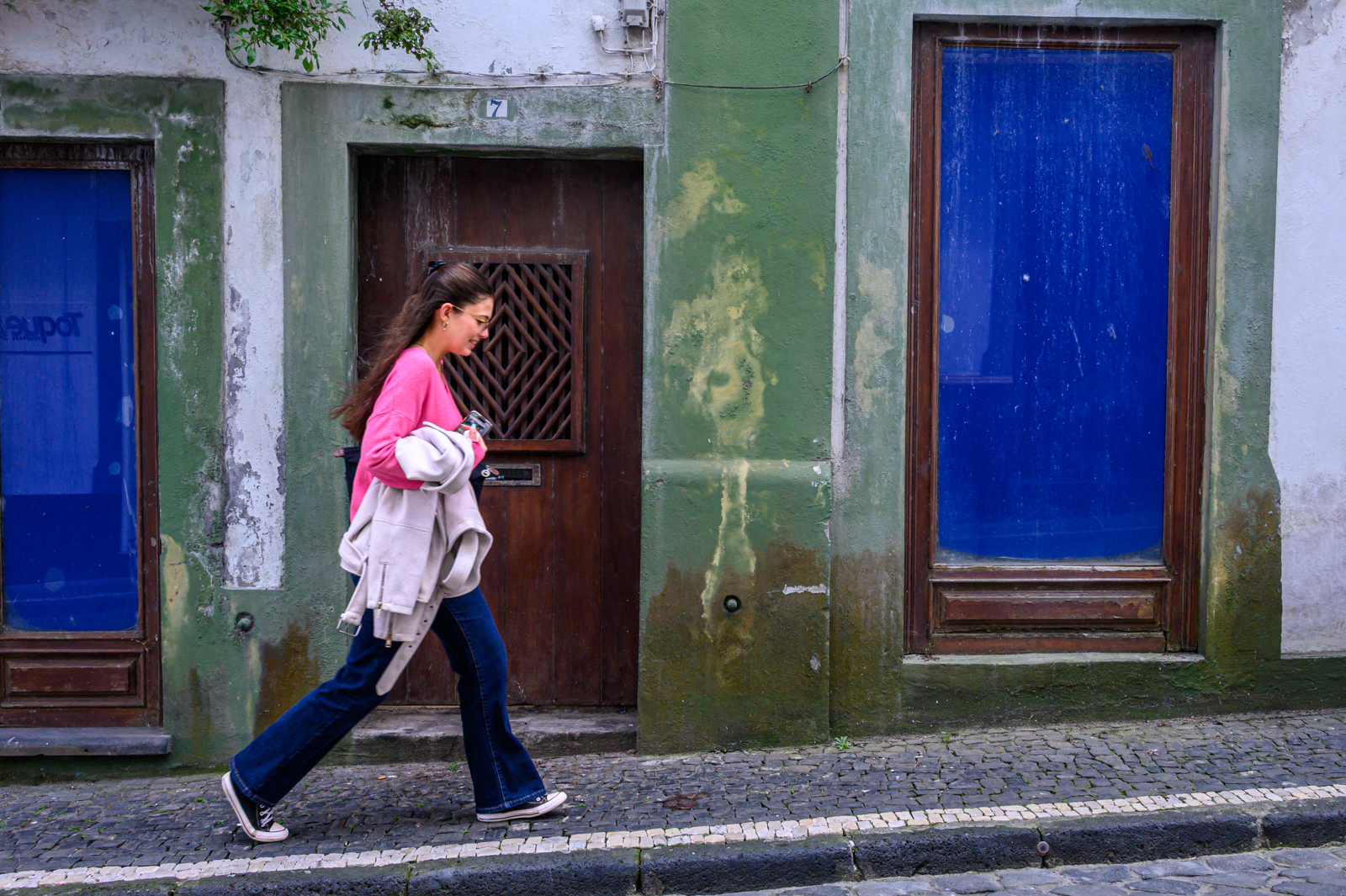
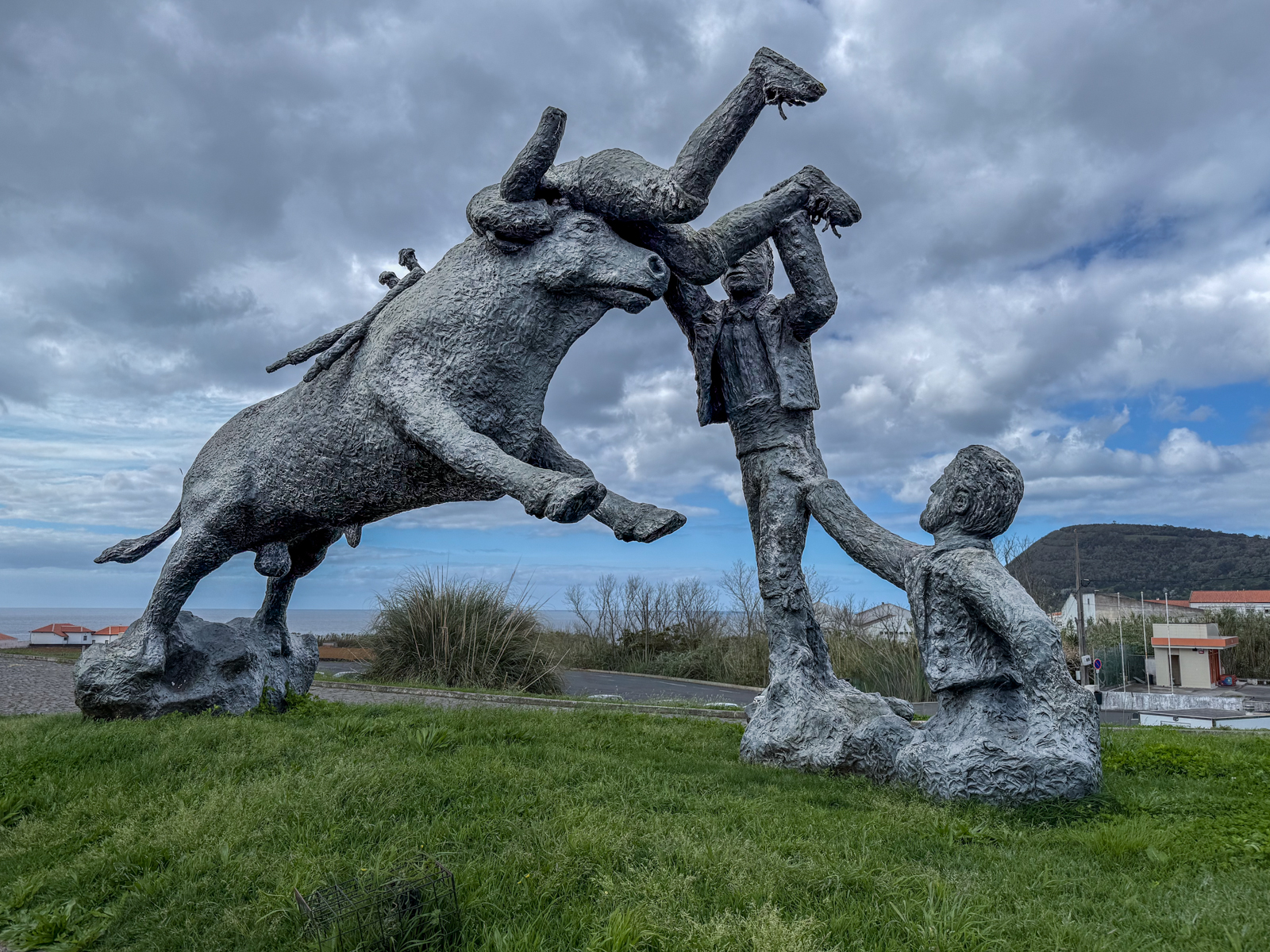
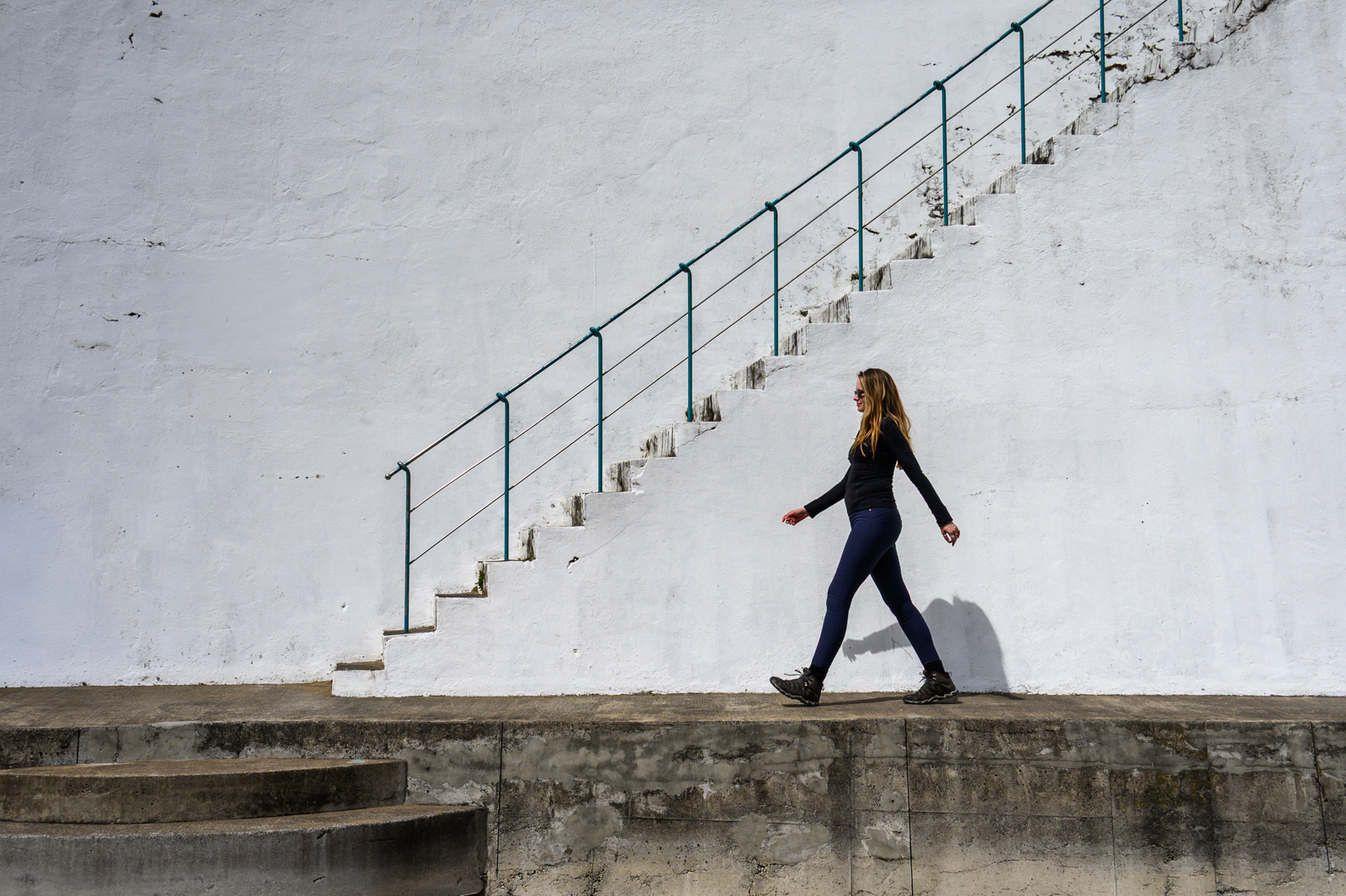
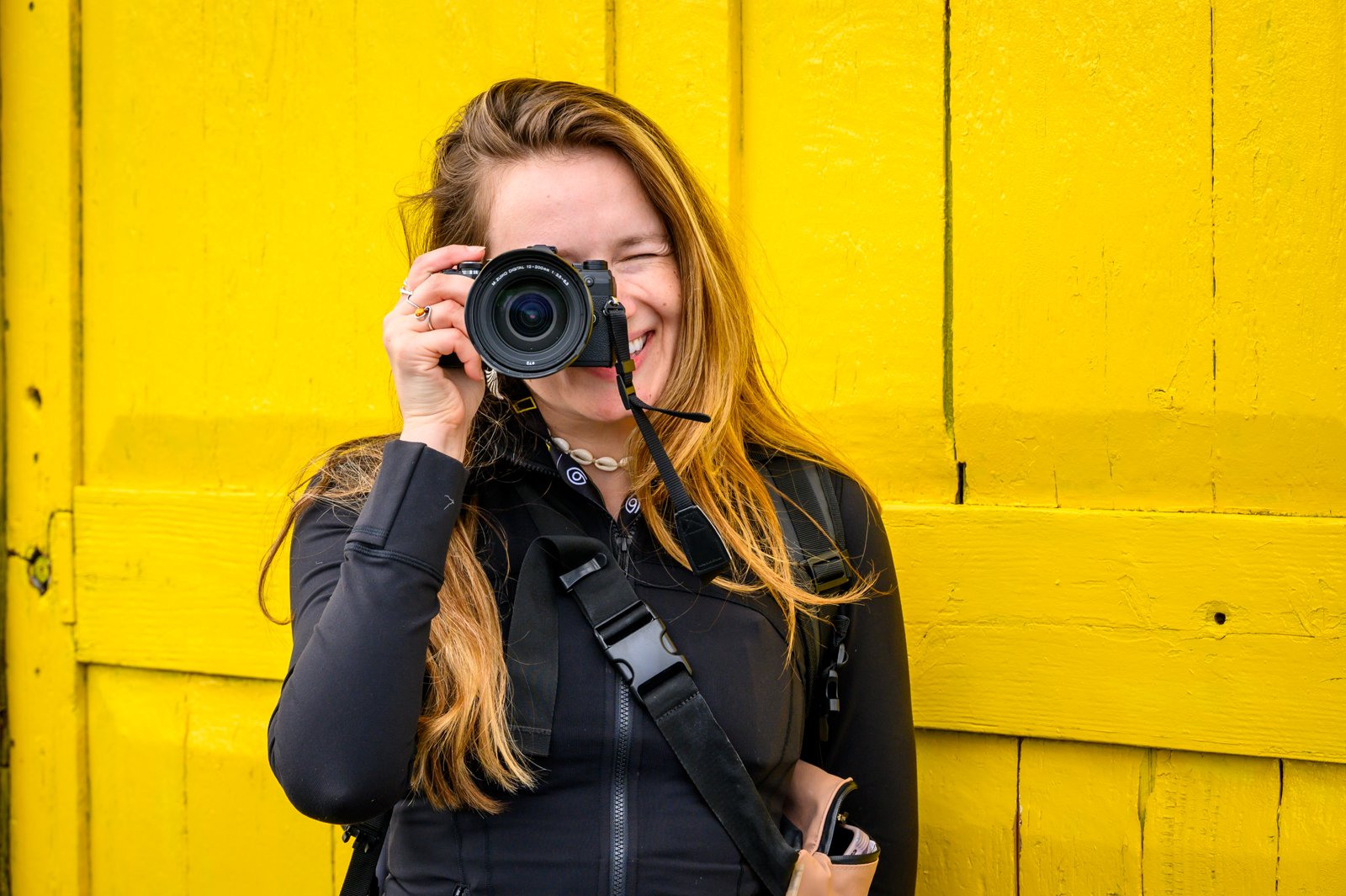
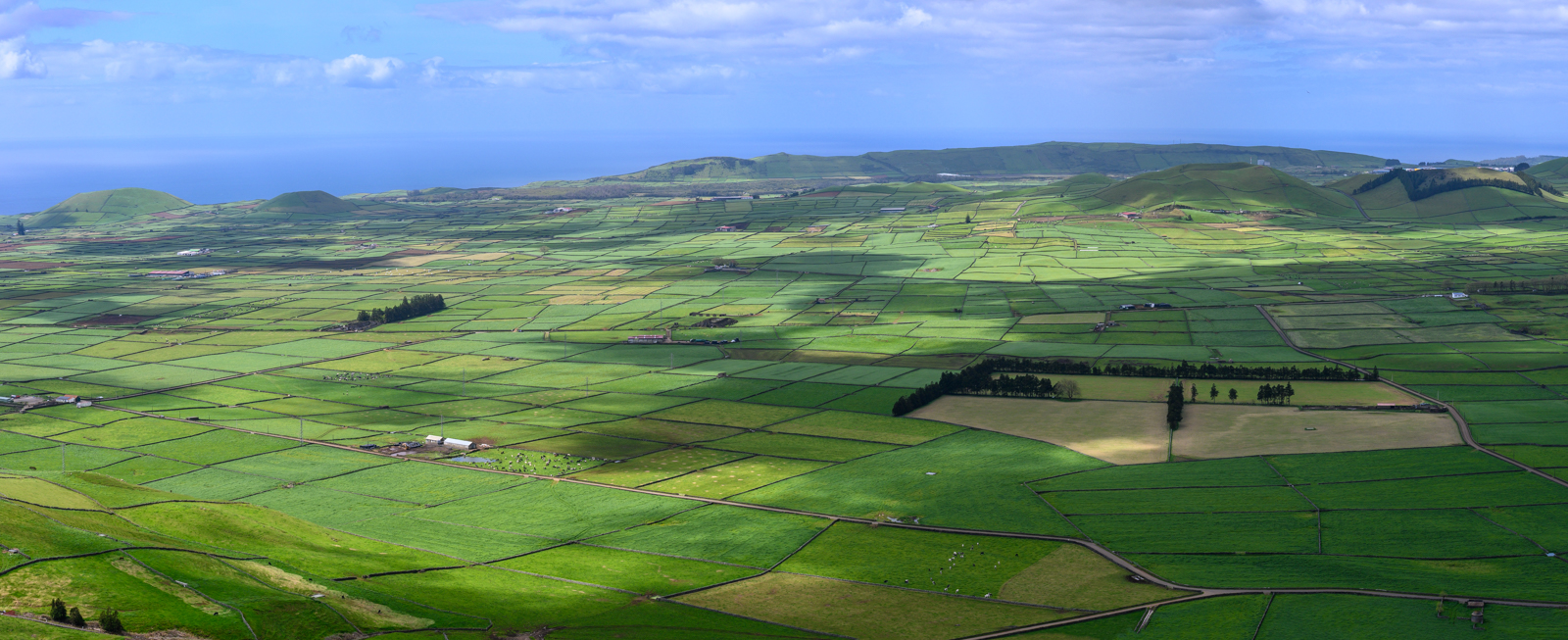
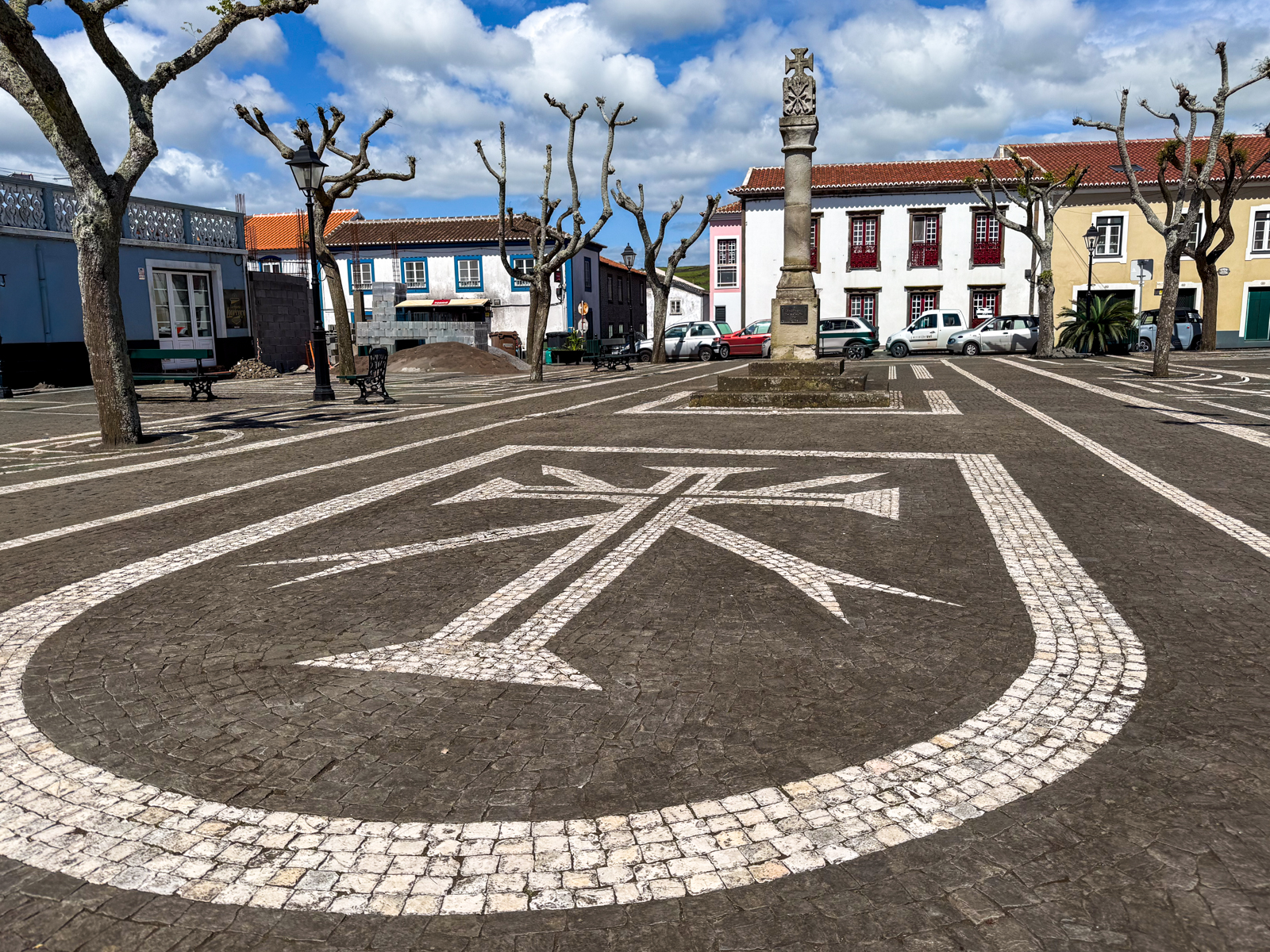
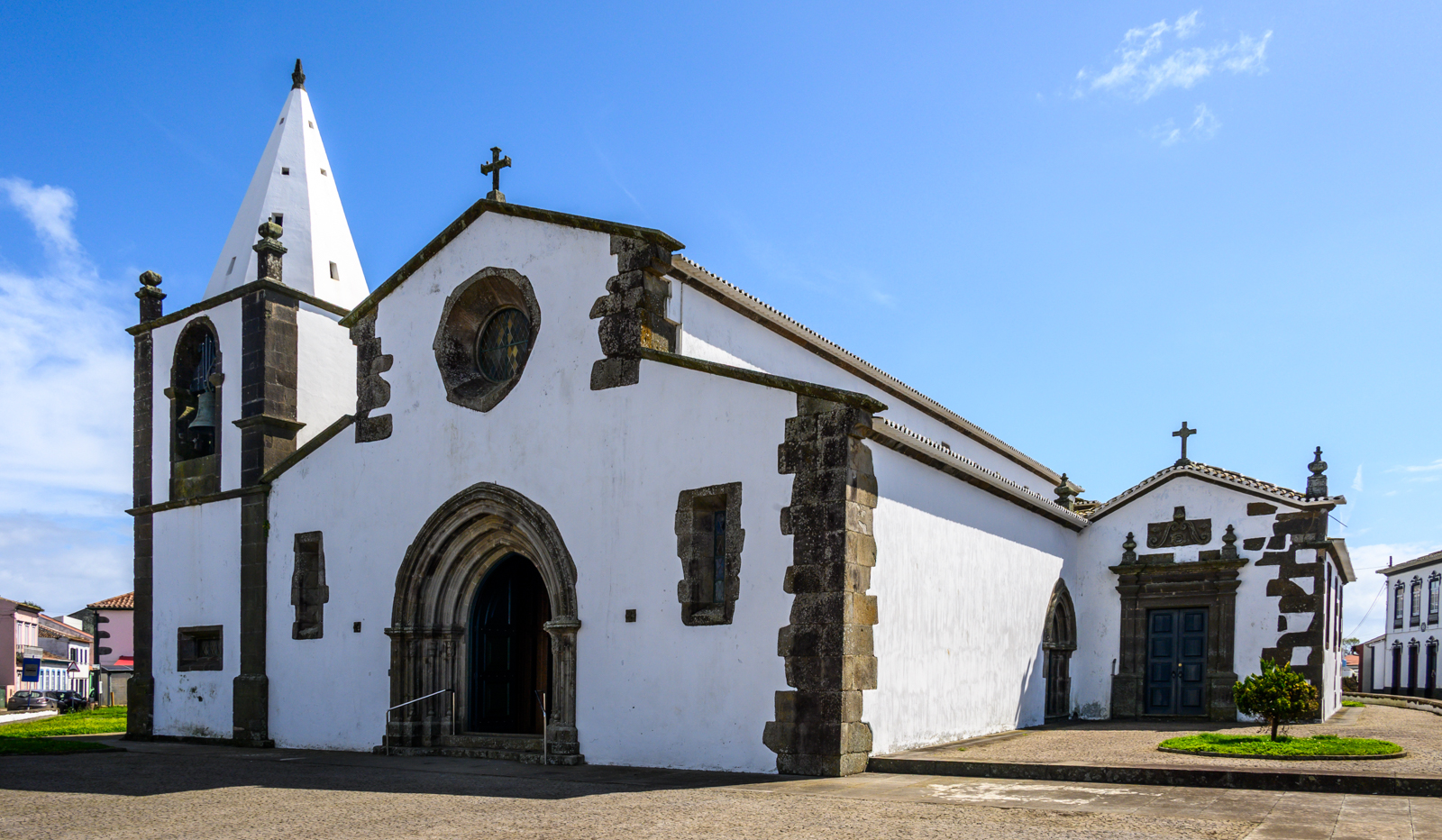
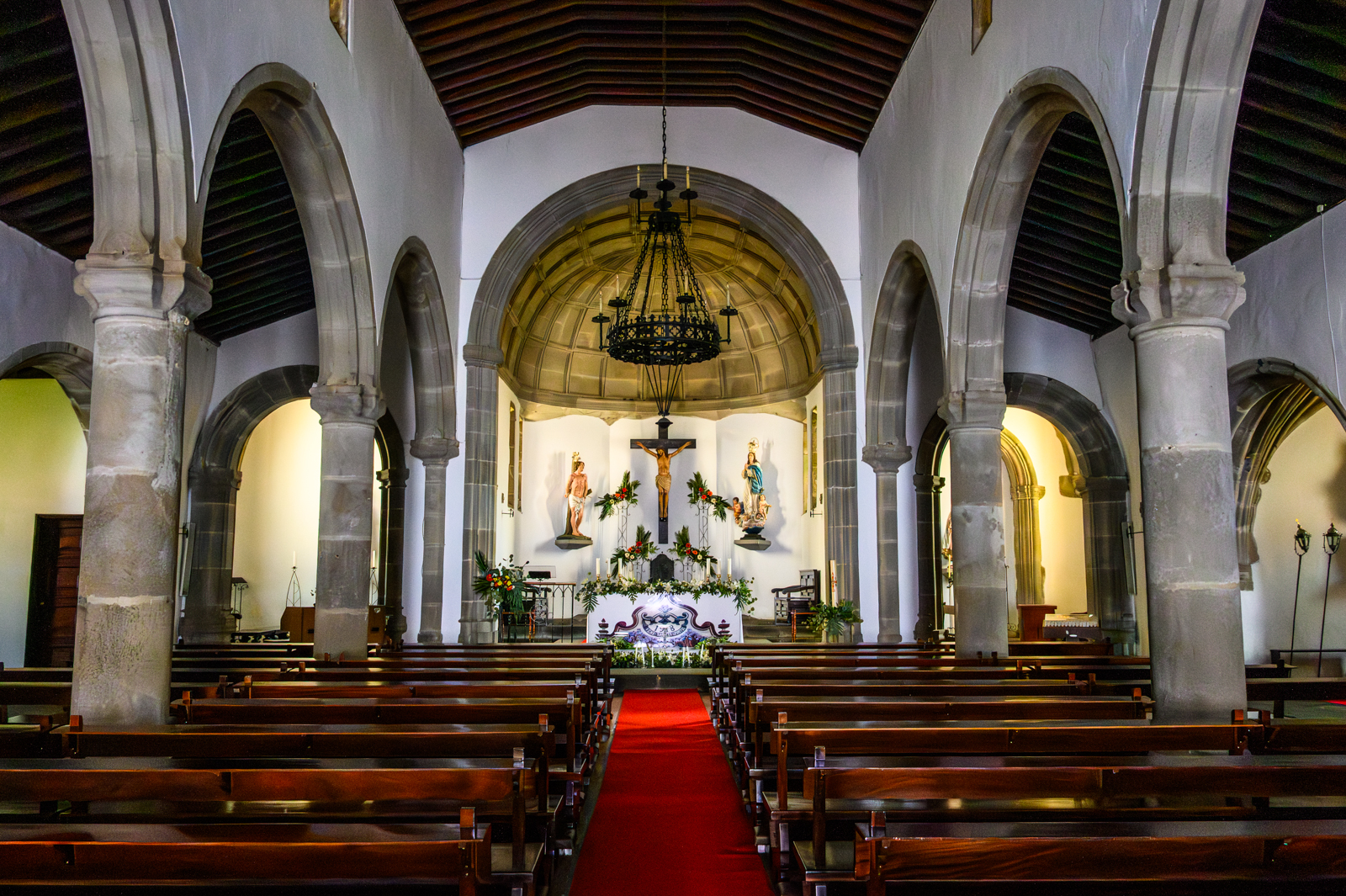
Terceira’s nickname comes from the pastel colors often used on building facades, especially in Angra do Heroísmo. I found the city especially rich in photographic opportunities. We also visited the picturesque town of São Sebastião after a brief stop at Miradouro da Serra do Cume, where we took in the island’s distinctive patchwork of lush green pastures.
Angra do Heroismo
Miradouro da Serra do Cume
São Sebastião
The volcanic archipelago of the Azores is one of those rare places you will not soon forget. Our visit was far too short to take in all of its splendor and beauty, and we left knowing we would gladly return.
As we headed home, we found ourselves wondering what adventures might await on the four Azores islands we had yet to explore. If you want to experience Portugal in a truly distinctive setting, plan a visit to the Azores. Wherever your travels take you, may they leave you with remarkable memories—and photographs to match.
Chuck

